Water Pressure Problems: Causes, Fixes & Prevention
Is your shower more of a trickle than a torrent? Or maybe your kitchen tap suddenly blasts like a fire hose? You're not alone. Water pressure problems can sneak up out of nowhere, turning daily routines into frustration factories.
At Exe Plumbing, we’ve seen it all—buried leaks, sneaky clogs, city supply hiccups, and more. Let’s break down what causes water pressure headaches, show you how to spot trouble early, and help you prevent future plumbing surprises.
Common Causes of Water Pressure Problems 🚰
Water pressure isn’t magic. It’s the result of moving water through a maze of pipes, valves, and fixtures. When something goes wrong, the balance tips. Here’s what to watch for:
Sneaky Leaks
Small leaks are like silent thieves. You might not see water pooling, but a pinhole in a pipe can bleed away pressure all over your house. According to the EPA, even one leaky faucet can waste hundreds of gallons a year—and sap water pressure.
Clogs and Blockages
Think of your plumbing like an artery. A buildup of minerals, rust, or debris slows flow, leading to low pressure. Clogged aerators at taps, blocked shower heads, or gunked-up supply lines can all be the culprit.
Valve Problems
The main shutoff valve or the pressure reducing valve (PRV) can throw your pressure off if they’re partly closed or failing. Sometimes, after a repair, a valve might not get reopened all the way.
City Supply Issues
Sometimes, it’s not your house—it’s the neighborhood. Municipal repairs, water main breaks, or changes in supply can affect everyone on your block. If your neighbors are grumbling too, this might be the cause.
Seasonal Factors
In winter, pipes can freeze and restrict water flow. In dry months, high demand can lower municipal pressure. Urban areas might see pressure drop during peak times; rural homes on wells face different challenges.
DIY Troubleshooting: Find the Source
Before you call for emergency plumbing, you can do some detective work. Here’s how:
- Check all taps: Is pressure low everywhere or just one room?
- Inspect for leaks: Look for damp walls, ceilings, or unexplained puddles.
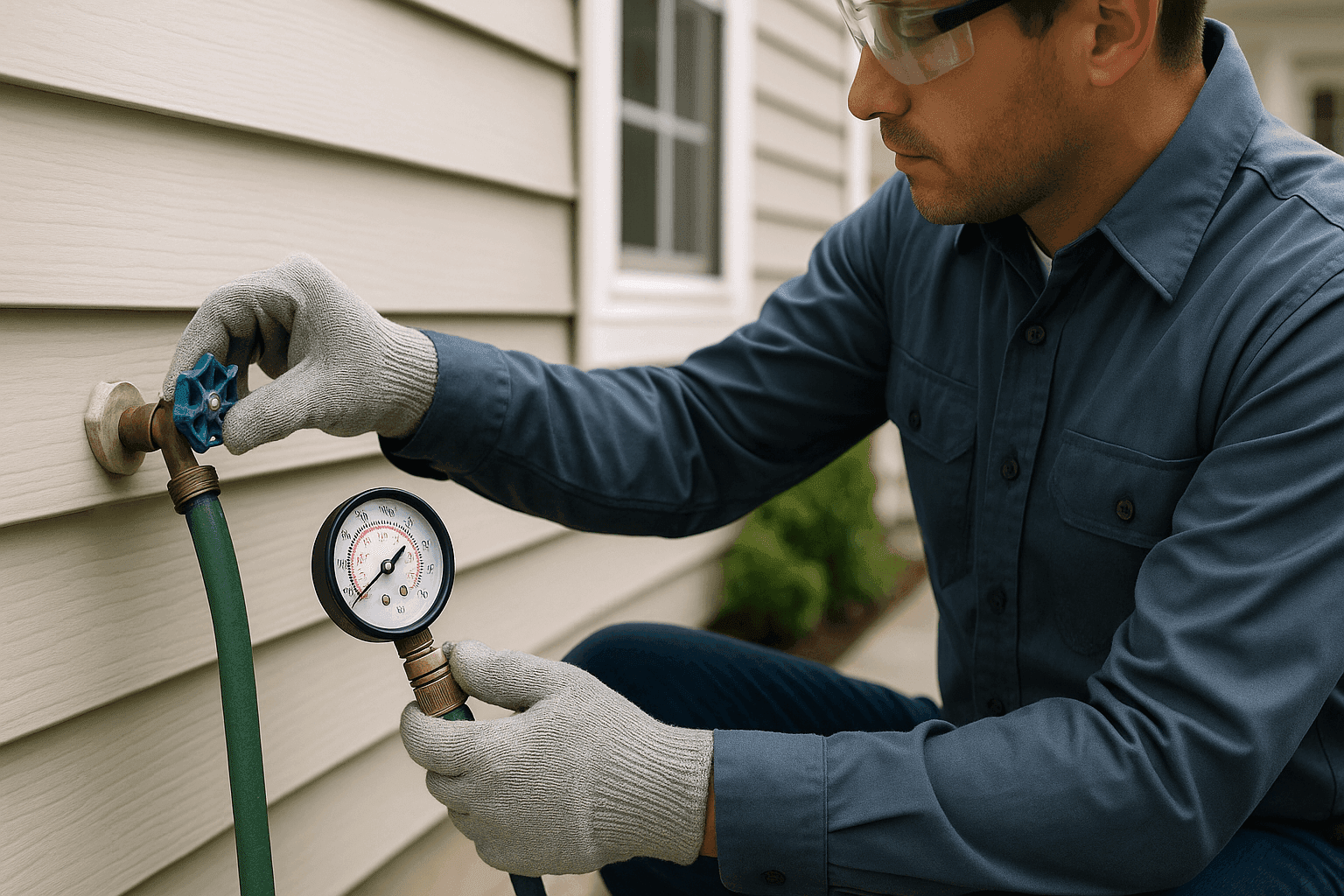
- Test with a pressure gauge: You can buy one at a hardware store. Attach it to an outdoor spigot and compare to local code (usually 40–80 psi for homes, per International Plumbing Code).
- Clean aerators and shower heads: Unscrew and rinse out debris.
- Ask the neighbors: If their water’s weak too, it’s likely a city issue.
If you find a clear leak or major drop everywhere, it’s time to switch from detective to action mode.
Professional Solutions: What the Pros Do
When a quick fix isn’t enough, Exe Plumbing brings the right tools and know-how. Here’s what you can expect:
Accurate Diagnostics
We use advanced leak detection tools—acoustic sensors, thermal cameras—to find hidden leaks without tearing up your walls. Our experience means we spot clues most folks miss.
Pressure Regulator Adjustment or Replacement
A faulty or mis-set pressure reducing valve is a common culprit. We check, adjust, or replace as needed to stabilize your system.
Pipe Repair or Repiping
If pipes are old, corroded, or too narrow, we recommend repairs or repiping. Sometimes a small section needs replacing; other times, a whole line needs an upgrade—especially in older homes.
Clearing Clogs
We use safe, effective methods (like hydro-jetting or mechanical snakes) to clear out mineral buildup, rust, or debris—restoring full flow.
Municipal Coordination
If the issue is with city supply, we’ll guide you on the next steps. Sometimes coordination with your local water authority is needed.
Specialized Solutions
- Sump Pump Repair near you: If basement flooding is causing pressure loss, we’ll check your sump pump.
- Backflow Testing: Ensures no contaminated water is affecting your system.
- Fixture Installation: Modern fixtures can help regulate flow and reduce pressure spikes.
Preventing Future Water Pressure Problems 🛠️
A little prevention saves a ton of frustration. Here’s how to keep things running smoothly:
- Routine Checks: Inspect visible pipes, valves, and fixtures every season.
- Install Water Filtration: Filters trap debris before it clogs your pipes.
- Winterize Pipes: Insulate exposed lines to prevent freezing.
- Schedule Preventative Maintenance: A yearly checkup can catch small issues early.
- Monitor Water Pressure: Install a gauge and check periodically.
- Know Your Shutoffs: Make sure everyone in the house knows how to turn off water in an emergency.
- Follow Local Codes: Plumbing codes set safe pressure limits and pipe specs—ask your plumber about local standards.
Local and Seasonal Nuance: Urban vs. Rural Pressure Problems
Pressure issues don’t play fair—they’re different in the city than in the country.
- Urban Homes: Often see pressure drops during peak hours (mornings, evenings). High-rises may need booster pumps.
- Rural Homes: On well systems? Pressure tanks and pumps need regular service.
- Cold Climates: Freezing pipes cause winter slowdowns.
- Hard Water Areas: Mineral buildup clogs pipes faster.
Wherever you live, Exe Plumbing understands the local quirks that can impact your home.
Real-World Tips & Customer Stories
One customer called us about a weak shower. Turns out, a decades-old pressure reducing valve was stuck half-shut. Replacing it gave them strong, steady flow again—without tearing up walls.
Another family struggled with a sudden drop in kitchen pressure. Our leak detection found a slab leak under their home’s foundation. Fast repairs saved them from a much bigger mess.
Quick Safety Checklist
- Turn off water at the main if you spot a sudden drop or obvious leak.
- Don’t ignore damp spots—mold and damage can follow.
- Never try to repair gas or sewer lines on your own. Call a pro.
- If water pressure changes after storms or freezing temps, check pipes ASAP.
DIY vs. Call a Pro
DIY:
- Cleaning aerators and shower heads
- Checking for visible leaks
- Testing pressure with a home gauge
Call a Pro for:
- Persistent low/high pressure
- Leaks inside walls or under floors
- Pressure surges (can damage appliances)
- Suspected main line or city supply issues
- Repiping or valve replacement
What Pros Do On Arrival
- Inspect all plumbing fixtures
- Use specialized tools for leak detection
- Check main and branch line pressures
- Examine valves, regulators, and connections
- Recommend repairs that fit your home and budget
Prevention & Maintenance
Stay ahead of problems with these habits:
- Schedule annual plumbing inspections.
- Flush your water heater yearly to prevent sediment buildup.
- Replace old pipes before they become a bigger issue.
- Install a whole-house pressure regulator if you don’t have one.
Costs & Time Factors
Every job is unique. Some fixes—like cleaning an aerator—take minutes. Others, like repiping, may take a day or more. Labor and parts vary by region and home age. For bigger repairs, we always explain options and timelines before starting work.
When It’s an Emergency
Some water pressure problems can’t wait—like a major leak, pipe burst, or flooding. In these cases:
- Shut off your main water valve.
- Call Exe Plumbing for fast emergency plumbing response.
- Move valuables away from water-damaged areas.
FAQ: Common Water Pressure Questions
Q: Is low water pressure dangerous?
A: While not usually dangerous, it can signal leaks or pipe damage that lead to bigger problems.
Q: Can high water pressure damage my plumbing?
A: Yes. High pressure can burst pipes, damage appliances, and shorten fixture life. A pressure regulator helps protect your home.
Q: Why is my shower pressure low but my kitchen sink is fine?
A: Local clogs or faulty valves often cause room-specific issues. Cleaning or replacing parts usually fixes the problem.
Q: How often should I have my water pressure checked?
A: Once a year, or after major plumbing repairs or renovations.
Water pressure problems are more than a nuisance—they’re a sign your plumbing needs attention. Whether you want a quick fix or a permanent solution, Exe Plumbing is ready to help.
Call Exe Plumbing now — or reach us anytime at 877-775-9948 .