Gas Safety Checks for Homeowners: Complete Inspection Guide
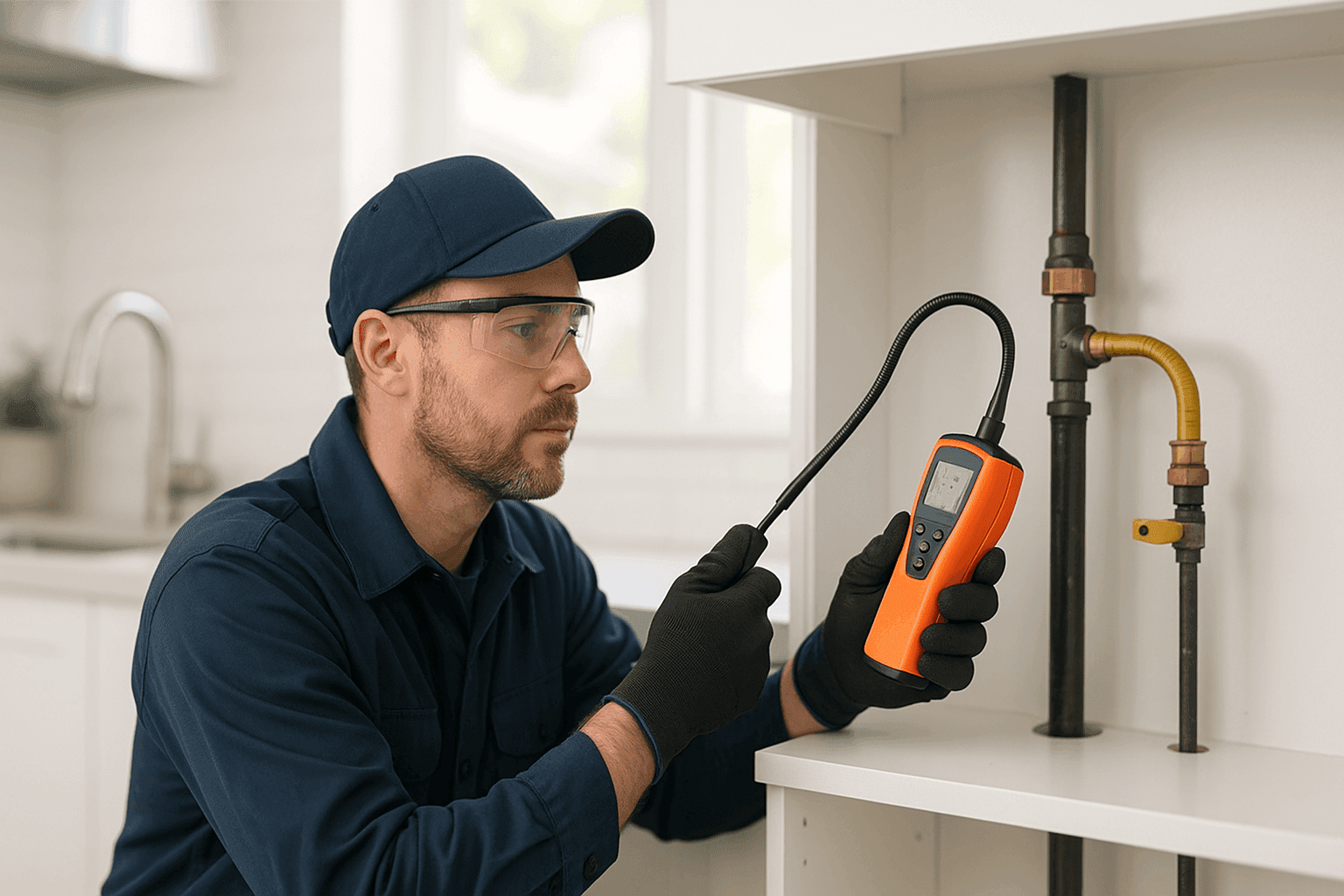
Gas is the quiet helper in your home—warming meals, heating rooms, even powering your water heater. But when something goes wrong? It’s a problem you can’t ignore. Gas leaks don’t knock—they barge in, bringing risk and panic. That’s why gas safety checks are never just a “nice-to-have” for any homeowner.
At Exe Plumbing, we know the pressure you feel when safety’s on the line. We work with families day and night, handling everything from emergency plumbing to sump pump repair near you, and yes—making sure every gas appliance is safe, sound, and up to code.
Why Gas Safety Checks Matter
Your home is your safe haven. Gas leaks, however, turn it into a ticking clock. The dangers are real:
- Fire and Explosion: Even a tiny leak can meet a spark and cause disaster.
- Carbon Monoxide Poisoning: Odorless and invisible, CO sneaks up silently—causing headaches, confusion, or worse.
- Legal Requirements: Most local authorities require regular gas safety checks, especially if you rent or plan to sell your home.
- Peace of Mind: Nothing beats knowing your family is safe, especially when you’re away or asleep.
Picture this: Gas creeps like a shadow—easy to miss, devastating if ignored. Regular checks are your flashlight.
References: The U.S. Consumer Product Safety Commission and local building codes both stress the need for routine gas appliance inspections.
What Happens During a Gas Safety Check 🔎
Ever wonder what a real gas safety check looks like? It’s more than waving a detector around.
Step-by-Step Gas Inspection
- Visual Inspection: Every visible gas line, joint, appliance, and connection gets a careful look. Rust, wear, odd smells—nothing escapes a trained eye.
- Tightness Testing: The technician uses calibrated gauges to check for drops in pressure. If pressure drops, there’s a leak somewhere.
- Appliance Review: Each gas-powered appliance—boilers, water heaters, stoves, fireplaces—is checked for correct installation, secure fittings, and proper ventilation.
- Combustion Analysis: Specialized tools measure if your appliances are burning gas cleanly, without excess carbon monoxide.
- Ventilation Check: Is the air moving as it should? Blocked vents or ducts can cause dangerous buildup.
- Documentation: You’ll get a written report of what passed, what needs fixing, and what’s urgent.
Tip: Always ask for documentation after a check. It’s proof of due diligence and often required for insurance or landlord compliance.
Signs of Gas Leaks and What to Do 🚨
Gas leaks are sneaky. But they leave clues—if you know where to look.
Spotting Trouble Early
- Smell: Rotten eggs or sulfur. That’s the gas company’s warning dye.
- Sound: Hissing or whistling near a line or appliance.
- Sight: Dead plants near gas lines, fog or mist, bubbling in standing water outside.
- Health: Headaches, nausea, dizziness when indoors.
Emergency Protocol for Homeowners
If you suspect a gas leak:
- Don’t flip switches or use electronics. A spark could set it off.
- Open windows and doors to let gas escape.
- Evacuate everyone—fast.
- Turn off the main gas supply if you know how (usually a lever near your meter).
- Call emergency plumbing help or local utility from outside your home.
Never try to find the source yourself. Let professionals handle it.
Reference: The National Fire Protection Association (NFPA) provides clear emergency steps for gas leaks.
Choosing a Qualified Gas Technician
Not all “plumbers” are equal when it comes to gas work. For your home’s safety, check for these must-haves:
- Licensing: Every gas technician should hold a valid license for gas work in your state or province.
- Ongoing Training: Look for teams who stay updated on new codes and safety standards.
- References: Ask for reviews or testimonials from local homeowners.
- Insurance: Proper liability insurance protects you in case things go wrong.
- Specialization: Experience with residential gas appliances, not just commercial systems.
At Exe Plumbing, our technicians are fully licensed, background-checked, and trained on the latest safety guidelines. We maintain national coverage and adapt to the specific codes and appliances found in your area.
Local Regulations and Appliance Types 🏠
Gas safety rules aren’t one-size-fits-all. Some regions require inspections every year, others every two. Rental properties often have stricter standards than owner-occupied homes. Furnace, boiler, water heater, stove—each has its own checklist.
Tip: Check your city or county website for local gas safety inspection intervals and approved appliance lists.
What Homeowners Can Expect During a Visit
When you book a gas safety check with a professional:
- Expect a 60–90 minute visit for a standard home.
- The technician will need clear access to all gas appliances and meters.
- You might be asked about any recent changes—new appliances, renovations, odd smells, or sounds.
- Afterward, you’ll receive an inspection report. If repairs are needed, you’ll get a list, not a pressure pitch.
Note: Some issues—like a failing valve or old pipe—may require immediate shutdown for safety.
Proactive Safety: Tips for Every Homeowner
Stay ahead of danger with these habits:
- Test carbon monoxide alarms every month. Replace batteries yearly.
- Don’t block vents or flues. Let appliances breathe.
- Never DIY gas repairs. Even tightening a fitting can go wrong.
- Book annual checks for peace of mind, especially before heating season.
- Keep appliance manuals handy for reference.
Should You DIY or Call a Pro?
Here’s the bottom line: DIY fixes are for leaky taps, not gas lines. Gas work is a puzzle with no room for error.
DIY is safe for:
- Changing batteries in alarms.
- Keeping vents clear.
- Noticing and reporting issues.
Call a pro for:
- Any repair, installation, or adjustment of gas lines or appliances.
- If you smell gas, hear hissing, or see warning signs.
- When legal documentation is required.
Common FAQs
Q: How often should I book a gas safety check?
A: At least once a year, or after any appliance installation or remodel.
Q: What should I do if my carbon monoxide alarm sounds?
A: Evacuate immediately, ventilate your home, and call emergency services.
Q: Do I need a gas safety check if everything “seems fine”?
A: Yes. Gas issues are often invisible until it’s too late.
Q: Will my home insurance require proof of inspection?
A: Many policies do—check your terms or ask your agent.
Costs & Time Factors
- Time: Most home gas inspections take about 1–1.5 hours.
- Cost: Expect a range based on region, property size, and appliance count. Repairs, if needed, are extra.
- Hidden Costs: Delayed checks can lead to expensive repairs or insurance claims down the road.
When It’s an Emergency
Some situations call for emergency plumbing—no delay, no debate:
- Strong gas odor indoors.
- Unexplained health symptoms.
- Burners won’t light, or flames are yellow instead of blue.
- Hissing sounds near gas lines.
Don’t wait. Get out and call for help.
Local and Seasonal Considerations 🌦️
Cold snaps, flood risk, and aging infrastructure all change how you approach gas safety:
- Winter: Furnaces and boilers work overtime. Book checks before the first freeze.
- Flood-prone areas: Water can corrode pipes and valves—inspect after major storms.
- Older homes: Pipes and appliances may not meet current safety codes. Extra vigilance pays off.
Check your local building department or gas supplier for area-specific advice.
Your family’s safety is too important to leave to chance. Regular gas safety checks aren’t just a smart move—they’re a necessary shield against risk.
Call Exe Plumbing now — or reach us anytime at 877-775-9948 .