Sump Pump Failures: Prevention, Repair & Emergency Tips
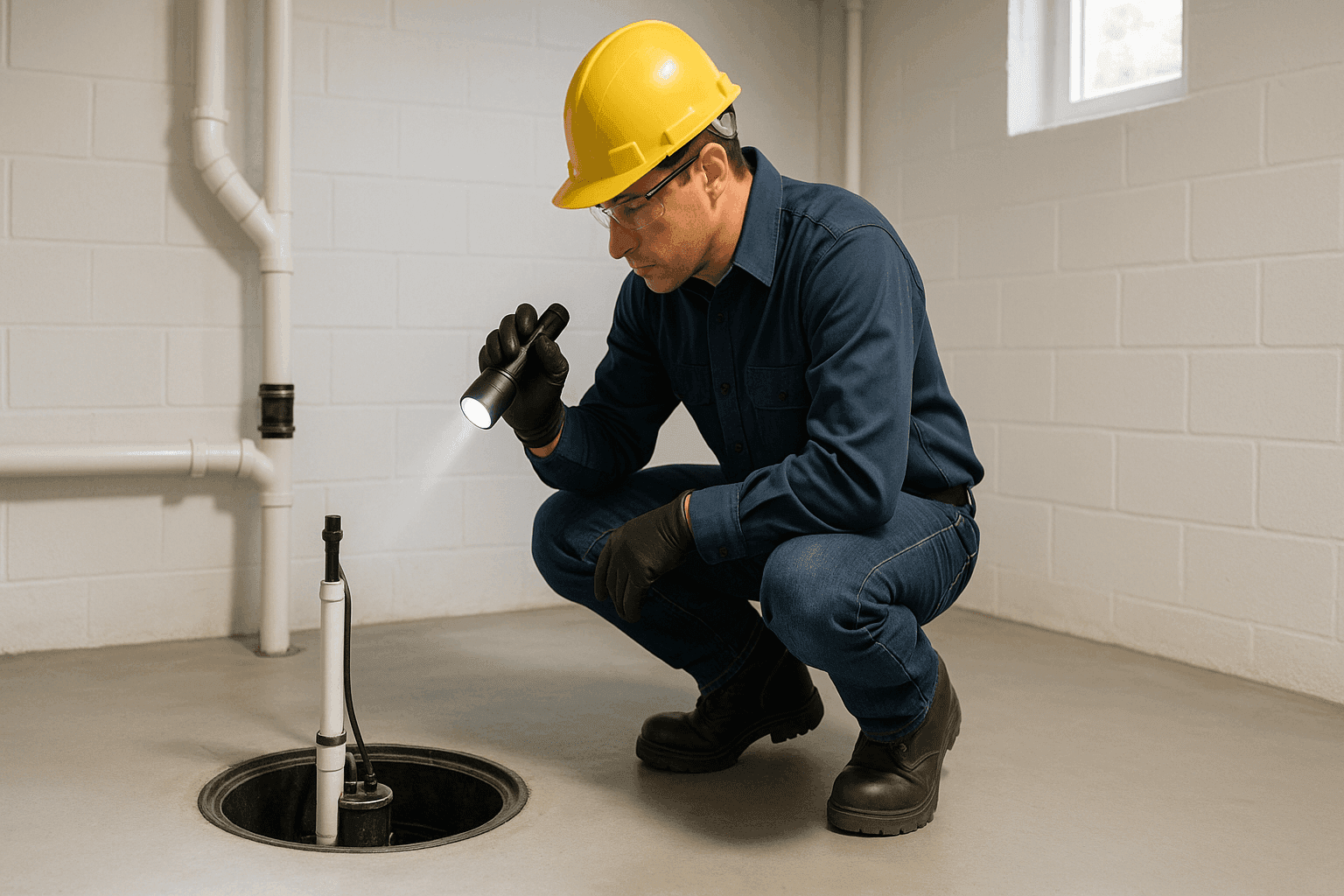
When the skies open up and floodwaters threaten, your sump pump stands between you and a basement full of trouble. But what happens when your sump pump lets you down? That’s when panic sets in—and fast.
At Exe Plumbing, we know how high the stakes are. We’re licensed, ready 24/7 for emergency plumbing, and we’ve seen it all. This guide will help you spot problems early, handle urgent situations, and understand when it's time for professional Sump Pump Repair near you.
Why Sump Pumps Fail
Sump pumps are like the quiet goalkeepers of your home. But even the best can fumble. Here’s why most trips to flooded basements start:
-
Power Outages
No power, no pumping. Even a perfectly working pump goes silent if your home loses electricity—especially common during big storms. -
Stuck or Faulty Float Switch
The float switch is what tells the pump to turn on. If it gets jammed or fails, your pump stays off while the water rises. -
Improper Installation
A pump set at the wrong angle, or a pit that’s too shallow, can cause short cycling or early burnout. Shoddy installation leads to early trouble. -
Debris and Clogs
Leaves, silt, or even small toys can jam the pump’s intake, blocking water flow and overworking the motor. -
Old Age and Wear
Like any machine, pumps wear out. Most last 7–10 years. After that, even with care, they’re more likely to fail. -
Frozen or Blocked Discharge Lines
When water can’t exit, it backs up. In cold regions, freezing is a major culprit. -
Check Valve Failure
If this little component fails, water flows backward into the pit—making the pump work overtime.
A sump pump failure isn’t just a plumbing nuisance—it’s a race against rising water. Especially in storm-prone neighborhoods, a failed pump can mean thousands in repairs.
How to Troubleshoot Common Sump Pump Problems 🛠️
Before you reach for the phone, let’s see if you can spot or solve the issue:
1. Check the Power
- Make sure the pump is plugged in.
- Reset breakers or replace blown fuses.
- Test the outlet with another device.
2. Inspect the Float Switch
- Gently lift the float. If the pump starts, the switch works.
- If nothing happens, or it feels stuck, clear debris from around the float.
3. Look for Obvious Blockages
- Remove the pump cover and shine a flashlight into the pit.
- Clear out leaves, mud, or small objects.
4. Listen for Strange Noises
- Grinding, rattling, or humming can mean a jammed impeller or failing motor.
5. Examine the Discharge Pipe
- Check outside where the water exits.
- Make sure the pipe is free of ice, dirt, or blockages.
6. Smell for Burning or Overheating
- Unplug the pump immediately if you smell anything burning.
If you spot a minor blockage or the float is stuck, a careful adjustment might get things working again. But if the motor won’t run, the pump overheats, or water is already rising, it’s time to call for emergency plumbing help.
Emergency Steps to Take Before Help Arrives
Basement flooding can feel like a runaway train. Here are steps to slow the water and protect your home until Exe Plumbing arrives:
-
Cut the Power (If Safe)
If water is pooling near outlets or appliances, shut off the power at the breaker. Never wade through standing water if the power is still on. -
Remove Valuables
Move furniture, electronics, and keepsakes to higher ground. -
Try a Manual Bypass
If you have a backup battery, connect it. Some pumps can be operated with a portable generator. -
Use a Wet/Dry Shop Vac
For small amounts of water, a shop vac or mop can buy you time. -
Open Windows for Ventilation
This helps reduce humidity and slow mold growth. -
Document the Damage
Take photos for insurance and keep notes on what happened.
Stay calm. Quick action limits damage, but safety always comes first.
Prevention Tips and Maintenance 🧰
A sump pump is like an umbrella—you only notice when it leaks. Here’s how to keep yours in top shape:
Seasonal Maintenance
-
Test the Pump Monthly
Pour a bucket of water into the pit and watch it cycle. It should start and stop smoothly. -
Clear the Pit
Remove debris, mud, and grit that could jam the intake. -
Inspect the Discharge Line
Make sure the pipe is angled away from your home and free of clogs. -
Clean the Screen or Grate
A blocked screen is a common cause of pump burnout.
Battery Backups
-
Install a Battery Backup System
These kick in when the power fails, giving you precious hours of protection. -
Test Backups Twice a Year
Replace batteries every 2–3 years, or as the manufacturer recommends.
Professional Inspections
-
Annual Checkups
Have a licensed plumber inspect your sump pump, check valves, and discharge lines. -
Code Compliance
Local building codes may require certain features, like check valves or specific pit sizes. The International Association of Plumbing and Mechanical Officials (IAPMO) offers guidelines.
After Heavy Storms
- Inspect the pit and pump for debris.
- Listen for unusual noises after each big rain.
When to Call a Pro
Some problems need a professional touch:
-
Persistent Water in the Pit
If the pump runs but doesn’t lower the water, there may be a hidden clog or mechanical failure. -
No Power Despite Working Outlets
Electrical issues inside the pump are serious—don’t risk it. -
Frequent Cycling On and Off
This wears out the pump fast and can signal improper installation. -
Visible Rust, Corrosion, or Cracks
Structural damage means the pump could fail at any moment. -
Warranty Concerns
DIY repairs may void warranties. Let licensed technicians handle warranty work. -
Peace of Mind
If you’re worried or unsure, it’s always better to call for Sump Pump Repair near you.
At Exe Plumbing, our team is licensed, background-checked, and ready 24/7 to handle emergencies in any neighborhood.
Local and Seasonal Considerations 🌧️
Storm-prone areas and low-lying neighborhoods face bigger sump pump challenges. Here’s what homeowners should know:
-
Heavy Rains & Flash Floods
During spring and summer, pumps work overtime. Check them before the rainy season. -
Winter Freezes
In cold regions, insulate discharge pipes and keep them clear of snow. -
Hurricane Zones
Battery backups and regular inspections are even more important. -
Older Homes
Older basements may need repiping or updated sump pumps to handle modern water volumes.
If your region is known for sudden storms or rapid snowmelt, don’t wait for the next flood warning. Schedule a preventative maintenance check.
Frequently Asked Questions
How long should my sump pump last?
Most sump pumps last 7–10 years with regular maintenance. If yours is nearing that age, consider a replacement before it fails.
What size sump pump do I need?
Pump size depends on your basement’s square footage, depth, and local rainfall patterns. A professional can help you choose the right model for your home.
Is battery backup really necessary?
For areas with frequent storms or unreliable power, battery backups can prevent disaster. They add hours of protection when you need it most.
Can I install a sump pump myself?
Basic models may seem DIY-friendly, but proper installation (including pit sizing, check valves, and discharge routing) is best left to licensed plumbers. Improper installation is a top cause of early failure.
Final Thoughts
A sump pump is your home’s last line of defense against floods. Regular checks, quick troubleshooting, and knowing when to call a pro can save you thousands—and a lot of stress.
Don’t wait until the water is ankle-deep. For Sump Pump Repair near you, or any emergency plumbing needs, call the team that’s always ready to help.
Call Exe Plumbing now — or reach us anytime at 877-775-9948 .