How to Find and Repair Water Leaks in Your Home
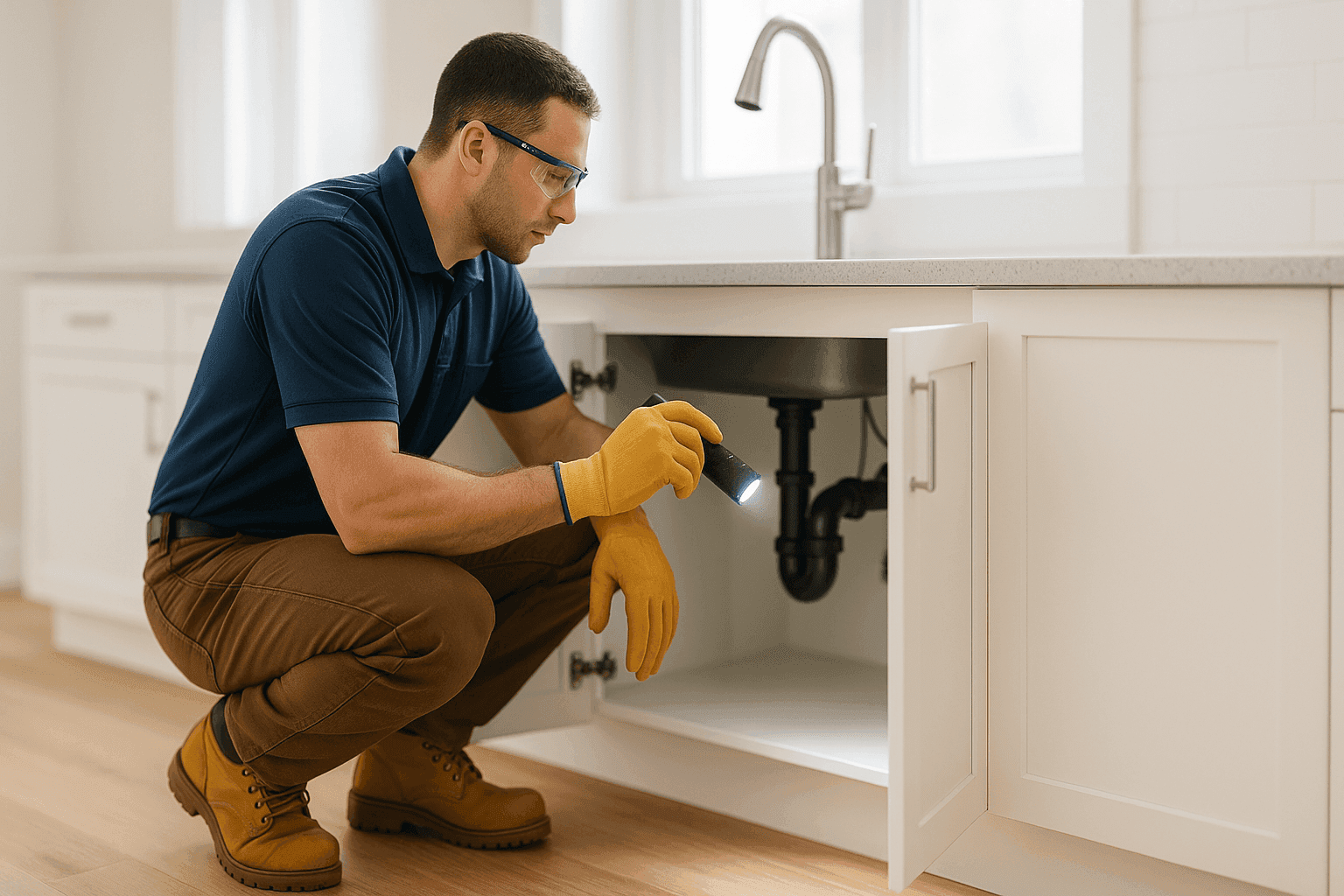
Water leaks don’t always roar in like a waterfall. Sometimes they whisper. Maybe it’s the telltale drip under the bathroom sink, a mysterious puddle by the basement wall, or the shock of a high water bill that tips you off. No matter how leaks announce themselves, they always demand attention—fast.
At Exe Plumbing, we know how stressful it is to spot water where it shouldn’t be. Plumbing problems can turn your cozy home upside down. That’s why our background-checked team is ready for emergencies, day or night, with transparent pricing and the right tools for every job.
Common Sources of Home Water Leaks
Before you can fix a leak, you need to know where it might be hiding. In most homes, leaks love to lurk in a few familiar places:
- Pipes: Old, corroded, or cracked pipes are a top culprit. Basements and crawl spaces are ground zero for pipe leaks—especially after a cold snap or heavy rain.
- Appliances: Washing machines, dishwashers, and water heaters can all spring leaks. Sometimes a worn-out hose or loose connection is to blame.
- Fixtures: Faucets, toilets, showers, and sinks can drip, run, or even gush if seals and valves wear out.
- Basements: Leaks here might come from sump pumps that fail, groundwater seeping through walls, or hidden pipe damage.
- Kitchens: Watch for soggy cabinets under the sink, or water pooling near the fridge or dishwasher.
- Bathrooms: Toilets that run, showers with leaky bases, or hidden leaks behind the wall often show up as stained ceilings or damp floors.
Ignoring these signs can lead to mold, structural damage, and sky-high water bills. Think of a leak like a ticking clock—the longer it goes, the bigger the problem.
DIY Leak Detection Methods 🕵️
You don’t need a detective badge to sniff out leaks at home. Here are a few simple ways you can start your own investigation:
- Visual Checks: Walk through your home. Look for stains, bubbling paint, warped floors, or puddles. Open cabinets and check under sinks for dampness. Peek at your ceilings, especially below bathrooms.
- Listen Closely: Turn off all noisy appliances. Can you hear water running when it shouldn’t be? Sometimes you’ll catch a faint hiss or drip.
- Meter Reading Test: Find your water meter. Note the reading. Make sure no one uses water for an hour or two. If the numbers move, you likely have a hidden leak.
- Toilet Dye Test: Drop a few drops of food coloring into the tank (not the bowl). Wait 15 minutes. If the color seeps into the bowl, your flapper valve is leaking.
- Check Appliances & Fixtures: Run your hand along hoses and pipes behind your washing machine, dishwasher, and water heater. Feel for moisture.
- Inspect the Basement: Look for damp spots, musty smells, or mold growth. These can point to leaks in sump pumps, pipes, or foundation walls.
If you find something suspicious, don’t panic. Some leaks are an easy fix. Others need a pro.
Temporary Leak Fixes
Sometimes you just need to hold back the flood until help arrives. Here’s what you can do:
- Shut Off the Water: Know where your main water shut-off valve lives. Turn it off if water is gushing or a pipe bursts.
- Contain the Leak: Place a bucket under drips. Use towels or rags to soak up water. Move belongings out of harm’s way.
- Pipe Tape or Epoxy Putty: For a pinhole leak in a pipe, wrap it with plumber’s tape or use epoxy putty. This won’t last forever, but it can buy you precious time.
- Tighten Fittings: If a flexible supply line is dripping, carefully tighten the connection with a wrench—but don’t overdo it.
- Turn Off Appliances: If the leak is from the washing machine, dishwasher, or water heater, shut off the appliance and disconnect the water supply if you can.
Remember: These are stopgap solutions, like using duct tape on a leaky boat. They help, but aren’t a permanent fix.
Professional Leak Repair Process 🛠️
When DIY stops working—or you spot water where it absolutely shouldn’t be—it’s time to call for emergency plumbing help.
Here’s what to expect when an Exe Plumbing technician arrives:
Leak Detection Technology
- Acoustic Listening Devices: These amplify the sound of water escaping pipes, even behind walls or under floors.
- Thermal Imaging: Special cameras spot temperature changes caused by hidden leaks.
- Moisture Meters: These help pinpoint damp spots in drywall, wood, or concrete.
- Video Pipe Inspection: Tiny cameras snake through pipes to find cracks, blockages, or weak joints.
Repair Solutions
- Pipe Repair or Replacement: Small leaks may need a new section of pipe or a professional patch. Major damage? Sometimes a full repipe is safest.
- Fixture or Appliance Repair: Faulty valves, washers, or hoses are replaced. Water heaters, sump pumps, or garbage disposals may need new parts.
- Slab Leak Repair: For leaks under concrete floors, pros may reroute pipes or use spot repair techniques to avoid tearing up your entire floor.
Cost Factors
- Location of the Leak: Easier-to-reach leaks cost less to fix than those under concrete or behind walls.
- Severity: A dripping faucet is a quick job. A burst pipe in the basement? More work, more time.
- Parts & Labor: Older homes or specialty parts can increase costs.
Exe Plumbing always explains what needs fixing and how much it will cost—before the work begins. No surprises.
Preventative Measures
Stopping leaks before they start isn’t just smart—it saves money and stress. Here’s how to keep your home dry:
- Annual Plumbing Inspections: Have a licensed plumber check your pipes, sump pump, and water heater once a year.
- Regular Appliance Checks: Inspect hoses on washing machines, dishwashers, and refrigerators every few months. Replace any that are brittle or cracked.
- Watch Water Pressure: High water pressure can stress pipes and cause leaks. A plumber can install a pressure regulator if needed. The Uniform Plumbing Code recommends 40–80 psi for most homes.
- Insulate Pipes: In cold climates, wrap pipes in unheated areas to prevent freezing and cracking.
- Clean Drains: Avoid clogs that can cause overflows. Use strainers in sinks and tubs.
- Check Sump Pump Operation: Test your sump pump before rainy season or thaw. Make sure the pit is clear and the pump cycles on and off.
Regular maintenance is like brushing your teeth for your home—small routines now prevent big problems later.
When It’s an Emergency 🚨
Not all leaks are equal. Some can wait a day. Others demand emergency plumbing help right now. Here’s when to pick up the phone:
- Flooding: Water is pooling fast, threatening your floors, walls, or belongings.
- No Water: A leak that forces you to shut off your home’s water supply.
- Sewer Smell: A leak involving sewage isn’t just gross—it’s a health hazard.
- Gas Smell: For leaks near your water heater, boiler, or gas line, leave the house and call emergency services immediately.
- Burst Pipe: Water pouring from a broken pipe spells disaster.
Exe Plumbing responds 24/7. We know that when water runs loose, every second counts.
Frequently Asked Questions
Q: How can I tell if a leak is behind my wall?
A: Look for paint bubbles, stains, or warped drywall. Listen for hissing or dripping when the house is quiet. Musty odors can also be a clue.
Q: Are leaks covered by homeowners insurance?
A: Usually, sudden and accidental leaks are covered. Slow leaks, poor maintenance, or gradual damage typically aren’t. Always check your policy.
Q: Can I use leak detection tablets in my toilet?
A: Yes—food coloring or dye tablets work well to spot silent toilet leaks that waste water.
Q: How fast should I call for help with a leak?
A: If you can’t stop the leak, water is spreading, or you’re worried about safety, call for emergency plumbing help immediately.
Local and Seasonal Leak Issues
Living in this region, we see certain leaks more than others:
- Basement Leaks After Rain: Sump pump failures and foundation cracks spike after wet weather.
- Frozen Pipes: In winter, pipes in unheated areas can freeze and burst, causing major water damage.
- Kitchen Sink Leaks: Old supply lines and garbage disposals often leak just as you’re cleaning up after dinner.
- Bathroom Drips: Leaky toilets and shower valves are common in older homes, especially after years of use.
Seasonal changes stress plumbing. A quick check before winter and after major storms can prevent headaches.
Call Exe Plumbing Today
A water leak doesn’t care about your schedule. But we do. If you spot a leak, need fast repairs, or just want peace of mind, our licensed technicians are ready. Clear answers. Fair pricing. No surprises.
Call Exe Plumbing now — or reach us anytime at 877-775-9948 .