Water Heater Repair: Signs, Solutions & When to Replace
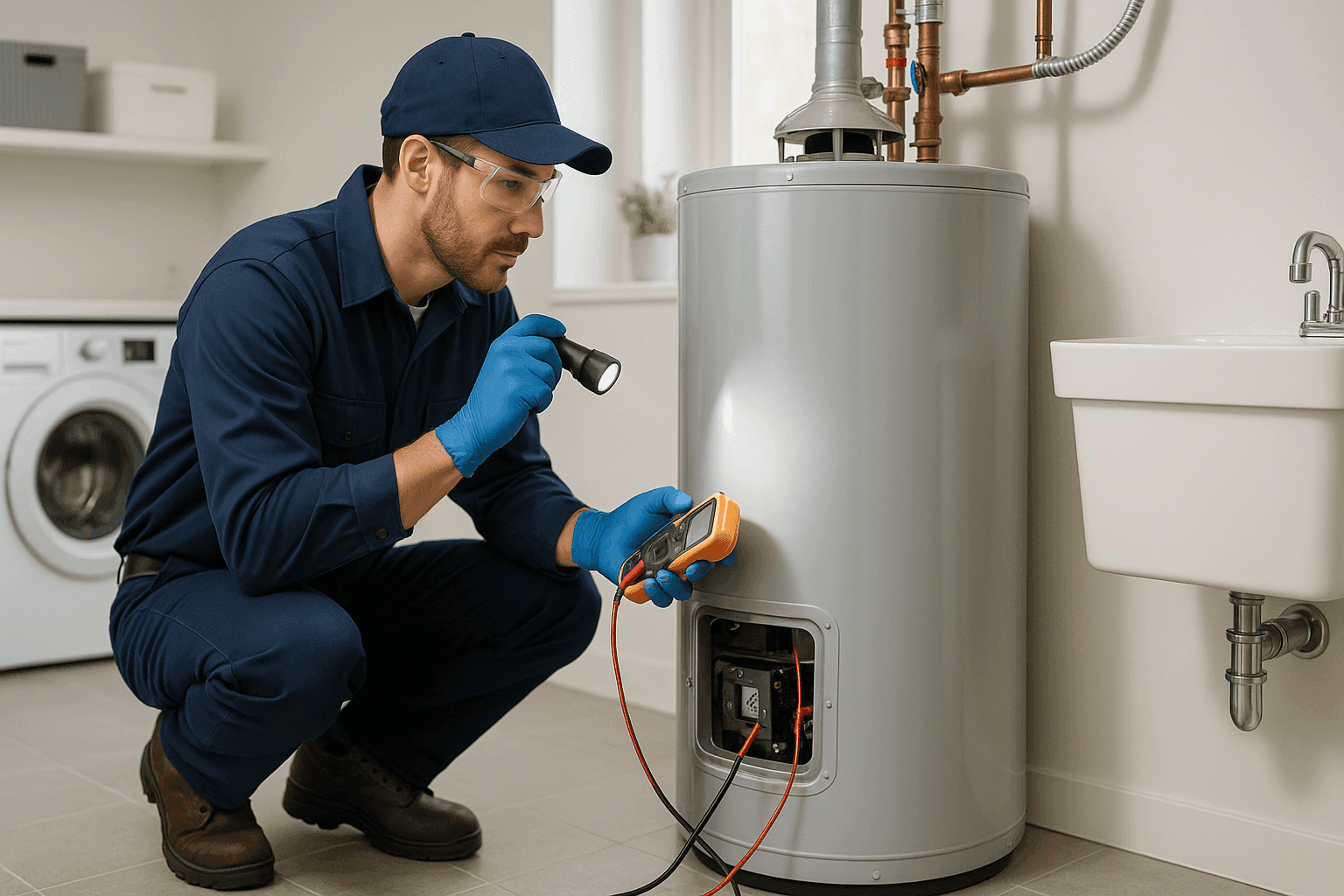
When your shower turns icy mid-lather, it’s more than an inconvenience. It’s a race against time to find out what’s wrong and get life back on track. At Exe Plumbing, we know the feeling—scrambling for solutions in the middle of a weekday, or worse, after hours. That’s why homeowners across the area count on us for emergency plumbing, water heater repair, and honest advice.
A water heater isn’t just a metal box in the basement. It’s the unsung hero behind warm baths, clean dishes, and comfort all year. But when it falters, you need fast, clear answers. Let’s walk through the signs, solutions, and how to tell if it’s time for a new start.
Common Water Heater Problems
Water heaters can act up in unpredictable ways. Some issues creep in slowly, others hit like a freight train. Here are the most common troublemakers:
- No hot water: The classic. Suddenly, your morning routine is a polar plunge.
- Leaks: Puddles under the tank or drips from pipes—something’s giving way.
- Weird noises: Banging, popping, or rumbling from inside the tank.
- Foul odors: Rotten egg smells, metallic or musty scents.
Each of these points to a different underlying problem. A failed heating element, faulty thermostat, or sediment buildup are frequent culprits. In hard water areas, mineral deposits make things worse—imagine tiny pebbles sandblasting your tank from the inside. Gas models can face burner or pilot light failures, while electric units might trip breakers or short out.
Troubleshooting Checklist 🛠️
Before you reach for the phone or panic, run through a quick safety and troubleshooting list:
- Check the power or gas: Is the breaker tripped? Is the gas valve open? (Always follow manufacturer safety instructions.)
- Inspect for visible leaks: Look for wet spots, rust, or corrosion.
- Listen and sniff: Odd sounds or smells could mean sediment, overheating, or gas issues.
- Feel the tank: Is it hot to the touch, even when not in use? This could signal thermostat trouble.
- Test the temperature/pressure relief valve: Gently lift the lever (wear gloves). Water should flow out and stop when you release it. If not, the valve may be stuck or faulty.
Safety matters: If you smell gas, turn off the supply immediately and evacuate. Call your utility provider or fire department for guidance. Water and electricity don’t mix—never open electrical panels or wiring unless you’re trained.
For more on safe water heater operation, the U.S. Consumer Product Safety Commission and local building codes offer detailed guidelines.
Professional Repair Solutions
Some problems have simple fixes—a tripped breaker, a loose connection. Others go deeper. Here’s what a qualified plumber from Exe Plumbing will assess:
- Is the issue fixable? Heating element replacement, valve swaps, or flushing sediment can restore operation.
- What’s the age of the unit? Most water heaters last 8–12 years. Older units may not justify repairs.
- What’s under warranty? Some repairs are covered; check your paperwork or ask us to help review.
- Is repair cost-effective? If the bill is creeping toward half the price of a new unit, replacement often makes more sense.
We never take a one-size-fits-all approach. Each situation gets its own careful diagnosis—just like a good mechanic listens to your engine before grabbing a wrench.
Signs It’s Time for Replacement 🔄
Sometimes, the writing’s on the wall. Here’s when to consider a new water heater:
- Age: Over 10 years old? It’s living on borrowed time.
- Rising utility bills: Efficiency drops as heaters age, especially in hard water regions.
- Rusty water: Brown or red-tinted hot water means corrosion inside the tank.
- Frequent repairs: If you’re calling for emergency plumbing more than once a year, it’s time to rethink.
- Leaking tank: Once the tank itself is compromised, repairs aren’t safe or reliable.
Safety first—gas leaks, carbon monoxide risk, or electrical shorts are all signs to replace immediately.
DIY Checks and Safety Tips
If you’re comfortable, there are a few things you can check yourself:
- Flush the tank: Draining a few gallons can remove sediment (follow manufacturer instructions).
- Check the thermostat setting: 120°F is usually enough for most homes.
- Inspect the anode rod: This rod “sacrifices” itself to prevent tank rust—replace if it’s down to the wire.
Never open gas or electrical fittings without proper training. For anything beyond these basics, call a licensed plumber.
What Pros Do On Arrival
When Exe Plumbing arrives, here’s what you can expect:
- Thorough inspection: We check all connections, controls, and the tank body.
- Test gas/electric supply: Make sure everything’s safe before touching anything else.
- Diagnostic tests: Multimeter checks, pressure readings, and leak detection.
- Clear explanation: We’ll tell you what’s wrong in plain language—no technical riddles.
- Options, not pressure: We lay out repair and replacement choices, so you stay in control.
Our team is certified, background-checked, and trained for every major brand and fuel source—gas, electric, and even hybrid.
Prevention & Maintenance
A little care goes a long way. Here’s how to help your water heater live a longer, healthier life:
- Annual inspection: Schedule a yearly check-up. This can spot leaks, corrosion, and pressure issues early.
- Flush the tank: Especially in hard water areas, sediment builds up fast.
- Replace the anode rod: Every 3–5 years, or as needed.
- Test the T&P valve: Prevents dangerous pressure buildup.
- Check for signs of trouble: Listen for noises, watch for leaks, and monitor water temperature.
The International Association of Certified Home Inspectors recommends these steps for all residential water heaters.
Costs & Time Factors 💸
How much and how long? It depends.
- Simple repairs: Heating elements or thermostats can be swapped in under an hour.
- Complex repairs: Leak detection or gas line issues might take half a day.
- Replacement: Most new installations are done in 2–4 hours, depending on access and local code requirements.
Costs vary by part, age, and whether emergency plumbing is required. We provide upfront pricing—no surprises.
When It’s an Emergency
Some water heater issues can wait a day. Others can’t.
- Major leaks: Shut off water supply and call for help.
- No hot water for vulnerable residents: Infants, elderly, or medically fragile people can’t wait.
- Gas smells or carbon monoxide alarms: Leave immediately and dial emergency services.
- Electrical burning smells: Turn off power and call for immediate assistance.
Exe Plumbing is always ready for true emergencies. We handle water heater repair and sump pump repair near you, 24/7.
Water Heater FAQ
How often should I flush my water heater?
Once a year is recommended, especially in hard water areas. It prevents sediment buildup and keeps your tank efficient.
Can I increase my water heater’s temperature for more hot water?
It’s possible, but don’t go above 120°F to avoid scalding and reduce energy use.
Why does my water heater make noise?
Usually, it’s sediment heating and exploding like popcorn. Flushing helps, but if noise returns, call a pro.
Is it safe to repair a leaking tank?
If the tank itself is leaking, replacement is the only safe option.
Local & Seasonal Considerations 🏡
Living in a hard water region? You’ll face mineral buildup faster than most. Regular maintenance is even more important. During cold snaps, pipes and tanks work harder—watch for pressure issues or frozen lines.
Gas or electric? Each has its own quirks:
- Gas models: Need proper venting. Watch for pilot light or burner problems.
- Electric models: More sensitive to power fluctuations. Check for breaker trips.
If you’re thinking of upgrading, consider energy-efficient or tankless models. These are safer and cheaper to operate over time, especially in areas with high fuel costs.
When your water heater stumbles, don’t let stress take over. Whether it’s a quick fix or a full replacement, Exe Plumbing is ready to help—day or night. For emergency plumbing, water heater repair, and honest answers, there’s only one call you need to make.
Call Exe Plumbing now — or reach us anytime at 877-775-9948 .