Ultimate Guide to Preventing Plumbing Emergencies Year-Round
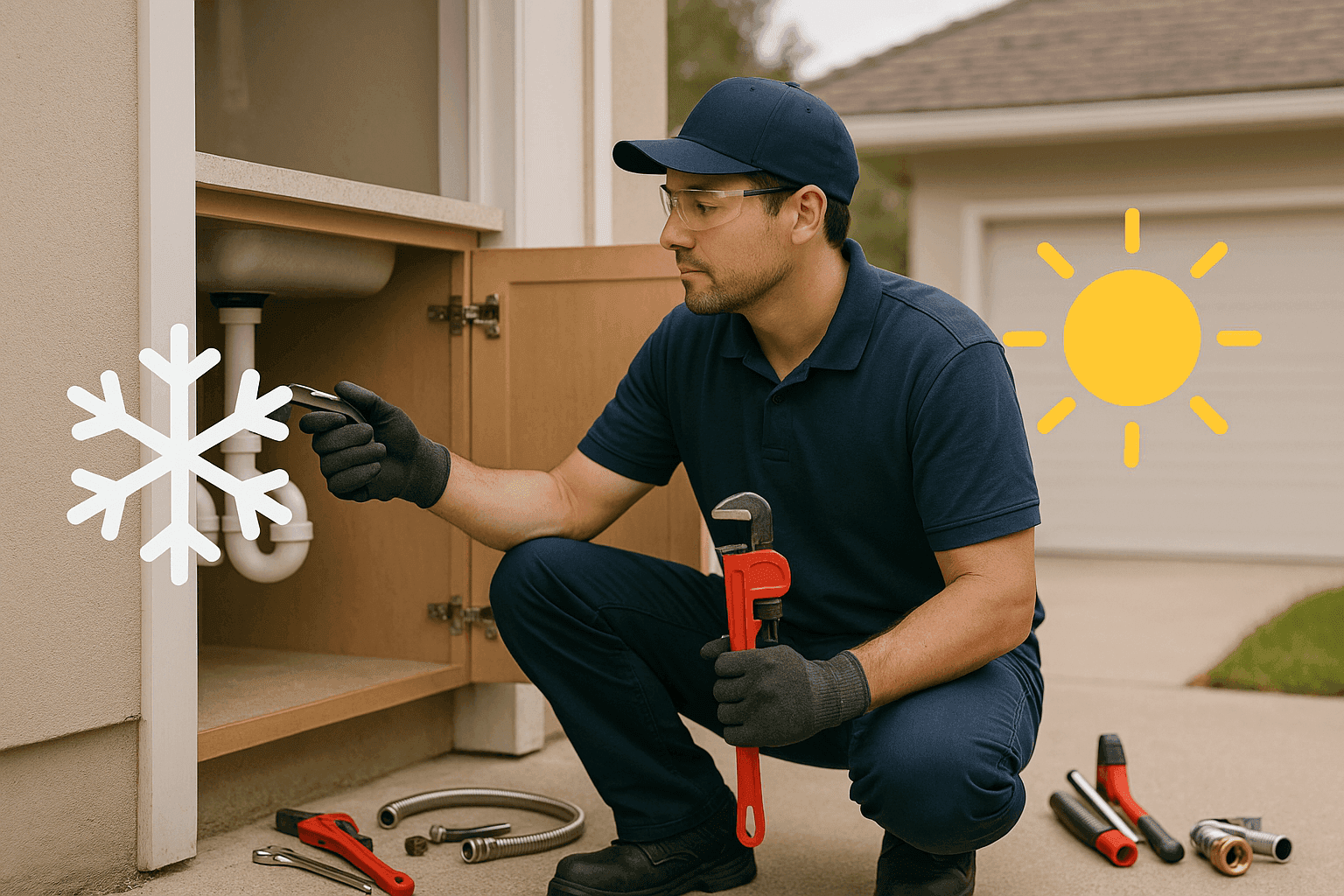
When water starts gushing where it shouldn’t, panic sets in fast. Plumbing emergencies don’t wait for a convenient moment—they strike in the middle of the night, during holidays, or when you’re least prepared. At Exe Plumbing, we know that stress. We’ve seen the relief on our customers’ faces when disaster is averted.
But what if you could prevent most emergencies before they ever happen? This guide arms homeowners and small business owners with practical steps, seasonal strategies, and the know-how to keep plumbing problems at bay—all year long.
Understanding Common Plumbing Emergencies 🚨
Plumbing emergencies hit like a thunderstorm out of nowhere. Knowing what you’re up against is the first step to staying ahead.
The Usual Suspects:
- Burst Pipes: Like a balloon popping under pressure, pipes can split open, flooding your space.
- Major Leaks: Hidden or visible, leaks waste water and can damage walls, floors, and belongings.
- Clogged Drains & Toilets: One moment, water flows; the next, it’s backing up and spilling over.
- Water Heater Failures: Cold showers and potential flooding if the tank bursts.
- Sewer Backups: Nasty, unsanitary, and a health risk—sewer water has no place indoors.
- Gas Leaks: Silent and deadly. If you smell rotten eggs, act fast.
Each of these emergencies can escalate quickly. According to the International Association of Certified Home Inspectors (InterNACHI), water damage from plumbing failures is among the top claims for property insurance. Prevention is cheaper than repair.
Seasonal Plumbing Maintenance Tips
Just as you’d dress differently for each season, your plumbing needs change with the weather. A little preparation can save you from big headaches.
Winterizing Pipes and Water Heaters
When temperatures drop, water inside pipes can freeze and expand—sometimes splitting pipes wide open. Here’s how to keep the cold at bay:
- Insulate Exposed Pipes: Use foam sleeves or insulation tape on pipes in unheated spaces like basements, attics, and crawlspaces.
- Disconnect Outdoor Hoses: Shut off and drain outdoor faucets before the first freeze.
- Keep Heat Circulating: On the coldest nights, open cabinet doors under sinks to let warm air in.
- Set Water Heater Temp: Keep it at 120°F (49°C)—hot enough for comfort, but not scalding.
- Know the Main Shutoff: If a pipe bursts, shutting off water fast can save thousands in damage.
Reference: The American Red Cross recommends insulating pipes and maintaining indoor heat to prevent winter plumbing disasters.
Drain Cleaning Before Heavy Use
Holidays, parties, or busy seasons mean more cooking, more showers, and more strain on drains. Don’t let a clog ruin the fun:
- Flush Drains with Hot Water: Regularly pour a kettle of hot (not boiling) water down sinks and tubs.
- Avoid Grease: Never pour fats or oils down the drain—they harden and block pipes.
- Use Drain Screens: Catch hair, food, and debris before they become a problem.
- Schedule Professional Cleaning: Before big events, have drains professionally cleared.
Inspecting and Maintaining Sump Pumps
A sump pump is your basement’s unsung hero, quietly keeping water out. But if it fails, you might be ankle-deep in trouble.
- Test the Pump: Pour water into the sump pit—does it kick on?
- Clean the Pit: Remove debris, dirt, and anything that could jam the pump.
- Check the Backup Power: Heavy rains often knock out electricity. A battery backup keeps your pump running.
- Inspect Discharge Lines: Make sure water flows away from your property, not toward it.
Early Warning Signs and Diagnostic Tips
Plumbing rarely fails without warning. Like a car’s check engine light, your home will send signals—if you know what to look for.
Watch for These Red Flags:
- Slow Drains: One slow drain is a nuisance; multiple slow drains mean a bigger problem.
- Gurgling Sounds: Bubbling from sinks or toilets can signal a clog or venting issue.
- Unexplained Water Bills: A sudden spike may mean a hidden leak.
- Damp Spots or Stains: Discoloration on walls, ceilings, or floors can be a leak’s calling card.
- Low Water Pressure: Could be buildup, a leak, or a failing pressure regulator.
- Rusty or Smelly Water: Indicates corrosion or contamination—don’t ignore it.
Tip: Use food coloring to test toilets for leaks. Add a few drops to the tank; if color seeps into the bowl without flushing, you have a leak.
Creating a Preventative Maintenance Checklist
Consistency is key. Like brushing your teeth, small habits prevent big problems. Here’s a checklist to keep plumbing emergencies at bay:
- Monthly:
- Check for leaks under sinks and around appliances.
- Test all faucets and toilets for proper function.
- Inspect visible pipes for signs of corrosion or moisture.
- Seasonally:
- Clean gutters and downspouts.
- Insulate pipes before winter.
- Test sump pump before rainy season.
- Flush water heater to remove sediment.
- Annually:
- Schedule a professional plumbing inspection.
- Test for backflow and cross-connection issues.
- Inspect sewer lines with a camera if you’ve had past problems.
- Replace worn-out hoses on washing machines and dishwashers.
Reference: The Uniform Plumbing Code (UPC) and National Standard Plumbing Code both recommend annual inspections for safety and efficiency.
When to Call a Professional
Sometimes, DIY is enough. Other times, it’s like trying to put out a fire with a squirt gun. Here’s when to bring in licensed technicians like those at Exe Plumbing:
- Major Leaks or Bursts: Water spreading fast? Shut off the main valve and call immediately.
- Persistent Clogs: If plungers and drain cleaners don’t work, deeper issues may lurk.
- No Hot Water: Water heater problems can be dangerous—don’t risk a scald or explosion.
- Gas Odors: If you smell gas, leave the building and call emergency services first.
- Sewer Backups: Raw sewage is a health hazard—let professionals handle it.
- Water Pressure Drops: Could signal a major leak or failing main line.
Why Call a Pro?
- Licensed plumbers follow building codes and safety standards.
- They use specialized tools—like leak detectors, pipe cameras, and hydro-jetters.
- Proper repairs protect your property value and insurance coverage.
Authoritative Resources for Plumbing Safety
- Uniform Plumbing Code (UPC)
- National Standard Plumbing Code
- International Association of Certified Home Inspectors (InterNACHI)
- American Red Cross - Winter Home Safety
These organizations set the standards for safe, reliable plumbing.
Frequently Asked Questions
Q: How often should I have my plumbing inspected?
A: At least once a year, or anytime you notice signs of trouble. Annual inspections catch problems early.
Q: What’s the best way to avoid frozen pipes?
A: Insulate exposed pipes and keep indoor areas warm. Let faucets drip slightly during deep freezes.
Q: Can I use chemical drain cleaners?
A: Use with caution—many can damage pipes over time. Mechanical cleaning is safer for most homes.
Q: What should I do if I smell gas?
A: Leave immediately, avoid using electrical devices, and call emergency services. Gas leaks are serious.
Special Considerations for Homeowners and Small Business Owners
Plumbing emergencies don’t discriminate. But businesses face unique risks—lost revenue, unhappy customers, and regulatory fines. Homeowners deal with property damage, insurance claims, and emotional stress.
- Keep a List of Emergency Contacts: Know who to call before disaster strikes.
- Educate Family or Staff: Make sure everyone knows where shutoff valves are.
- Schedule Regular Maintenance: Preventative care is good business and good sense.
- Document Repairs: Save receipts and reports for insurance and resale value.
- Stay Up to Code: Especially important for businesses—inspections protect your license and reputation.
Ready to Safeguard Your Plumbing?
Plumbing emergencies can turn your world upside down. But with the right habits and a little help from Exe Plumbing, you can sleep easier and keep your property protected.
Call Exe Plumbing now — or reach us anytime at 877-775-9948 .