Toilet Repair & Maintenance: Solving Common Issues Fast
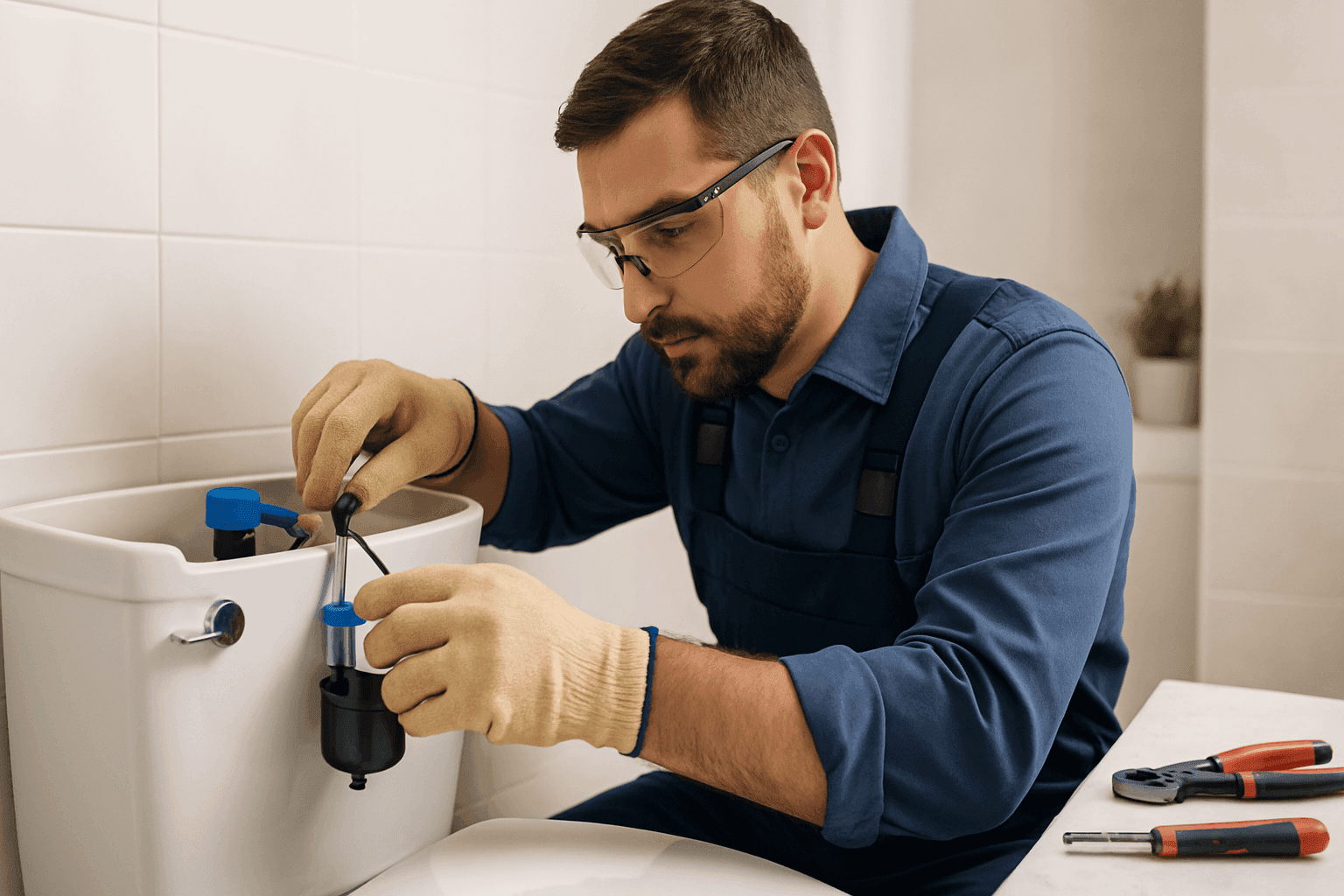
When your toilet stops working right, panic sets in fast. It’s never just “one of those things”—it’s urgent, messy, and can even stop family life in its tracks. At Exe Plumbing, we understand how disruptive toilet issues can be. Whether it’s a slow leak, an unexpected overflow, or the dreaded weak flush, we’ve seen it all and fixed it all. Here’s how you can handle most toilet problems before they become emergencies—and know when it’s time to call our team for emergency plumbing.
Most Common Toilet Problems 🚽
Toilet trouble comes in a few classic forms. Most have simple causes, but ignore them and you risk water damage or much worse.
- Running Toilet: The sound of water trickling long after a flush. Wastes gallons and can drive up your bill.
- Clogs: Water rising instead of draining? Sudden or slow, clogs are the most frequent culprit.
- Leaks: Water pooling around the base, or damp spots behind the tank. Leaks can wreck floors and attract mold.
- Weak Flush: You press the handle, but the bowl barely empties. Sometimes you have to flush twice—or more.
- Phantom Flushes: The toilet refills randomly, even when not in use.
Each of these problems has a root cause—and a solution you can try before reaching for the phone.
Quick Safety Checklist
Before you start any repair, remember: toilets are connected to your home's water supply and waste lines. Here’s how to keep things safe:
- Turn off the water supply at the valve behind the toilet.
- Don’t use electrical appliances near pooled water.
- Wear gloves for any repairs involving the bowl or tank.
- Keep kids and pets away from the workspace.
- For persistent sewer smells, ventilate the area and don’t ignore the warning.
If you spot water near electrical outlets or your toilet backs up into the tub or sink, call for emergency plumbing at once.
DIY Repair Steps: Fixing Common Issues
1. Running Toilet
A running toilet is like a leaky wallet. Most times, the flapper (rubber seal inside the tank) isn’t sealing right.
- Lift the tank lid. Is the chain tangled, or the flapper warped? Untangle or replace as needed.
- Check the fill valve. If water keeps flowing, the float might be set too high. Gently bend the float arm down or adjust the screw.
- If these steps don’t help, the parts may be worn and need replacing. Hardware stores carry universal kits.
2. Unclogging a Toilet
No plunger? No problem. Try pouring one bucket of hot (not boiling) water into the bowl from waist height. This can help loosen a minor clog.
- Use a flange plunger for best results—make sure it seals over the hole.
- Pump firmly, keeping the seal tight, then pull up sharply.
- Avoid chemical drain cleaners; they can damage pipes and are unsafe for septic systems.
3. Fixing Leaks
- Water on the floor? Tighten the bolts at the toilet’s base—but not too much. Over-tightening can crack the porcelain.
- Check the supply hose for drips; sometimes just a snug turn with a wrench solves it.
- If you spot hairline cracks in the tank or bowl, don’t risk it. Shut off the water and call for help.
4. Weak or Incomplete Flush
- Check for low water level in the tank. Adjust the float so the water sits about an inch below the overflow tube.
- Mineral buildup around the rim holes can be scrubbed away with a stiff brush and vinegar.
- If flushing is still weak, the problem might be deeper in the waste line.
When to Call an Expert
Some toilet problems are like icebergs—small signs on the surface, big risks underneath.
- Persistent Leaks: If tightening or replacing seals doesn’t stop water, there could be hidden pipe damage.
- Sewer Smells: A rotten egg odor means a possible sewer gas leak or failed wax ring. This isn’t just unpleasant—it’s a health hazard.
- Water Damage: Stains on the ceiling below the bathroom, warped flooring, or mold all point to a bigger issue.
- Overflowing or Backed-Up Fixtures: If flushing the toilet causes water in your tub or sink to bubble up, your main sewer line could be blocked.
Exe Plumbing’s team can quickly diagnose these problems and provide safe, code-compliant repairs. We use advanced leak detection and, when needed, sewer line inspection tools recommended by the Plumbing-Heating-Cooling Contractors Association (PHCC).
Preventative Maintenance – Keeping Your Toilet Healthy 🧰
A little care now saves a lot of trouble later. Here’s how to keep your toilet in top shape:
- Clean with Care: Use gentle cleaners; harsh chemicals erode seals.
- Check for Leaks: Once a month, look for moisture around the base and behind the tank.
- Test the Flush: If the handle feels loose or the bowl takes too long to clear, investigate right away.
- Upgrade Old Parts: Modern fill valves and flappers save water and last longer.
- Watch for Hard Water: In areas with mineral-rich water, more frequent cleaning of rim jets may be needed.
Consider a routine check every year, especially before hosting guests or if your home has older plumbing.
Toilet Types by Region—What You Need to Know
Toilets aren’t the same everywhere. Across the UK, for example, traditional high-level cisterns are common in older homes, while newer builds often use close-coupled or dual-flush models to save water. In the US, elongated bowls are popular, but space-saving round bowls are still standard in many city apartments. Some households in colder regions install insulated tanks to prevent condensation. Knowing your toilet type helps when buying replacement parts or describing the problem to a plumber.
Costs & Time Factors
Toilet repairs can be quick—or not. Here’s what to expect:
- DIY fixes (like flapper or handle replacement): 10–30 minutes.
- Clog removal: A few minutes with a plunger, longer if you need a closet auger.
- Professional repairs: Most visits last under an hour, but complex leaks or sewer line issues can take longer.
- Part costs: Flappers, fill valves, and handles are usually inexpensive.
- Hidden costs: Ignoring a leak could lead to bigger repairs—think ruined floors or water-damaged ceilings.
Always check if your home insurance covers water damage from plumbing failures.
When It’s an Emergency
Not every toilet problem needs a midnight call. But some do:
- Water is gushing and the shut-off valve won’t stop it.
- Sewage is backing up into your home.
- There’s major flooding or the toilet is leaking near electrical outlets.
- You smell strong sewer gas.
In these cases, treat it as you would a house fire—get help right away. Emergency plumbing teams like Exe Plumbing are prepared for these situations 24/7.
FAQ
Q: Why does my toilet keep running even after replacing the flapper?
A: The fill valve or overflow tube might be the issue. Sometimes debris or an improperly adjusted float can keep the water running.
Q: Is it safe to use a plunger if I have a modern dual-flush toilet?
A: Yes, but use gentle force to avoid damaging the mechanism. Make sure you’re using a flange plunger for the best seal.
Q: My toilet smells even after cleaning—what’s wrong?
A: Persistent odors could mean a broken wax ring or vent pipe issue. If regular cleaning doesn’t help, call for a professional inspection.
Q: Can I use “drop-in” tank cleaners?
A: Most plumbers recommend avoiding them, as they can wear out rubber parts faster and lead to more leaks.
Local & Seasonal Considerations
In colder climates, frozen pipes can stop your toilet from filling or flushing. In older homes, limescale buildup is more common. If you live in a hard water area or have frequent power outages, regular checks are especially important. And if your plumbing is more than 30 years old, consider a preventative inspection before problems strike—especially before winter.
Toilet problems can be a headache, but you don’t have to face them alone. If these tips don’t solve it, or you’re dealing with leaks, odors, or stubborn blockages, Exe Plumbing is ready to step in. Fast, clear, and always focused on your safety.
Call Exe Plumbing now — or reach us anytime at 877-775-9948 .