Sink Repair 101: Fixing Leaks, Clogs & Common Issues
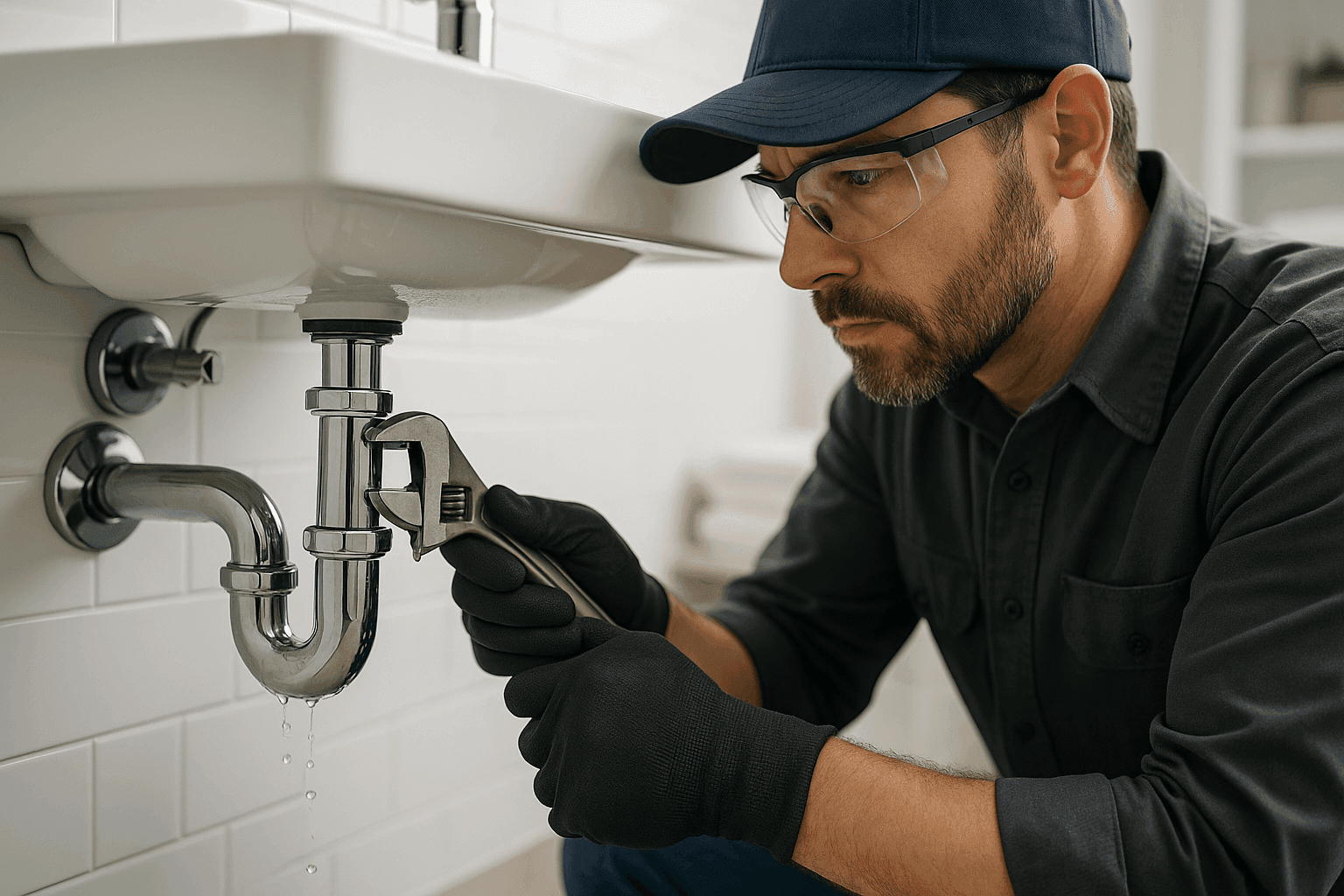
Have you ever watched water pool around your feet while brushing your teeth? Or heard the dreaded drip-drip under the kitchen sink, growing louder every night? You’re not alone. Sink problems sneak up on everyone, and when they do, they can turn a peaceful home into a soggy stress zone.
At Exe Plumbing, we know how disruptive a leaking or clogged sink can be. Quick action and the right know-how can keep a small problem from turning into a costly emergency plumbing call. Let’s break down the basics, the fixes, and what to watch for—so you can get back to your day.
Common Sink Problems: Leaks, Slow Drains, Loose Faucets 🛠️
Sinks work hard, day in and day out. So it’s no surprise that, over time, they can show signs of wear. Let’s look at the headaches most homeowners face:
Leaky Pipes or Fittings
- Puddles in the cabinet? Check for drips from pipe joints or the P-trap.
- Water stains on cabinetry often point to slow, hidden leaks.
- Sometimes, a leak is as simple as a loose nut or as serious as corrosion in metal pipes.
Slow Drains & Clogs
- Water draining like molasses? Soap scum, hair, and grease are usual suspects.
- Listen for gurgling sounds—these mean trapped air from a partial blockage.
Loose or Wobbly Faucets
- A faucet that jiggles or spins can loosen pipes or let water sneak where it shouldn’t.
- Over time, this can turn a minor annoyance into a major repair.
Strange Smells
- Musty, sour odors often mean food or debris is stuck out of sight.
- In older homes, sewer smells can signal a deeper issue with venting or backflow.
Quick Safety Checklist Before You Start
Before you reach for the wrench, safety comes first. A few simple steps can save you from slips, shocks, and surprises.
- Turn off the water supply. Look for shutoff valves under the sink. Twist gently—never force.
- Clear out under the sink. Move cleaners, trash bins, or anything that could get in your way.
- Unplug nearby outlets. Water and electricity don’t mix. If you see wiring, be extra cautious.
- Wear gloves and goggles. Old pipes and debris can be sharp and dirty.
- Have a bucket and towels handy. Even a tiny leak can make a big mess.
DIY Repair Steps: Tools, Safety & Temporary Fixes
Some problems are as simple as tightening a connection. Others need a bit more elbow grease. Here’s how to tackle the basics:
Tools You Might Need
- Adjustable wrench or slip-joint pliers
- Plumber’s tape (Teflon tape)
- Plunger (for clogs)
- Drain snake or wire hanger
- Flashlight
- Old towels and a bucket
Fixing a Leaky Pipe or Fitting
- Shut off the water. Always start here.
- Check connections. Tighten slip nuts by hand, then gently with a wrench.
- Replace worn washers. If dripping persists, remove and inspect washers or O-rings.
- Wrap threads with Teflon tape before reconnecting metal pipes to prevent leaks.
Clearing a Slow Drain
- Plunge first. Create a tight seal and give several firm pushes.
- Try a drain snake for stubborn blockages. Feed it in slowly, turning as you go.
- Skip harsh chemicals. They can damage older pipes, especially copper or galvanized steel.
Stabilizing a Loose Faucet
- Look underneath. Most faucets are held by mounting nuts—tighten carefully.
- Replace worn gaskets if the faucet still wobbles.
Remember: If you smell gas or see sparks, stop immediately. For anything beyond a simple fix, don’t risk your safety.
When to Call a Plumber: Red Flags & Complex Issues 🚨
Some sink problems are just too risky or complicated for DIY. Here’s when it’s time to call in a licensed professional:
- Persistent leaks even after tightening or replacing washers.
- Major clogs that won’t budge with a plunger or snake.
- Visible pipe corrosion—flaking, green stains, or pinhole leaks.
- Wet spots on walls or floors—could be a sign of hidden leaks or water escaping behind the scenes.
- Sewer odors or water backing up in multiple fixtures.
- Low water pressure throughout the house, which may point to a bigger issue like pipe scaling or a hidden break.
If you’re searching for “emergency plumbing” or “Sump Pump Repair near you” because water is gushing or you fear contaminated water, don’t wait. Licensed plumbers follow local plumbing codes (see the International Plumbing Code and your area’s building guidelines) to ensure repairs are safe and legal.
What Pros Do On Arrival
When Exe Plumbing arrives, here’s what to expect:
- Thorough inspection: We check for visible leaks, loose fittings, and hidden water damage.
- Leak detection tools: For sneaky leaks, we use moisture sensors and thermal imaging.
- Clearing clogs: Professional-grade snakes and hydro-jetting break up tough blockages without harming your pipes.
- Pipe or fixture repair: We use code-approved materials, whether you have copper, PEX, or older galvanized pipes.
- Testing water pressure and flow: To spot underlying issues affecting your whole system.
We always follow safety standards and local codes to keep your home in good shape.
Preventing Future Sink Issues: Maintenance & Cleaning 🧼
A little routine care goes a long way in keeping your sink running smooth. Try these simple habits:
- Run hot water weekly. It melts away grease and soap buildup.
- Use drain strainers to catch food scraps and hair.
- Clean aerators. Unscrew the faucet tip and rinse every few months.
- Check under the sink for damp spots or dripping, especially after heavy use.
- Avoid chemical drain cleaners. Over time, they can eat away at pipes, especially if you have older metal lines.
Schedule regular plumbing safety checks, especially if your pipes are more than 20 years old or you notice changes in water quality.
Costs & Time Factors: What to Expect
Sink repairs can range from a quick five-minute tighten-up to a more involved job requiring new parts. Here’s what typically affects the bill and the clock:
- Simple fixes (tightening, replacing washers): Usually quick and affordable.
- Clearing clogs: DIY methods are free, but professional drain cleaning may take an hour or more.
- Pipe replacements: Time depends on access and pipe material—copper and PEX are common in newer homes, older homes may have galvanized steel.
- Emergency calls: After-hours plumbing or major leaks often means higher rates, but quick action can save thousands in water damage.
When It's an Emergency
Some sink troubles can’t wait. Call for emergency plumbing help right away if you notice:
- Flooding under the sink
- Water spilling onto floors or electrical outlets
- Strong sewer or gas smells
- Multiple fixtures backing up at once
- No water at all (could indicate a serious supply line issue)
In these cases, shutting off the main water supply and calling for help is the safest move.
FAQ: Sink Repair & Plumbing
Why does my sink smell bad?
Odors often come from trapped food, grease, or hair. Sometimes, it’s a sign of a blocked vent or a deeper drain problem.
How can I stop my sink from leaking overnight?
Turn off the valve under the sink to limit damage, then place a bucket to catch drips before repairs.
Are chemical drain cleaners safe?
They can damage older pipes and aren’t recommended for regular use. Mechanical methods (like plungers or snakes) are safer.
What pipe material is best for my home?
PEX and copper are common for new installs, while older homes may have galvanized or even lead pipes. Local water quality can affect which material lasts longest—hard water, for instance, can cause more scaling in metal pipes.
Local & Seasonal Considerations
In our area, water quality and pipe materials play a big role in sink health. Hard water can leave mineral deposits, clogging aerators and drains. If your home has copper or galvanized steel pipes (common in older homes), keep an eye out for corrosion and low water pressure—these can signal it’s time for repiping.
Winter months can also bring trouble. Unheated spaces under sinks may freeze, causing pipes to crack. Insulate exposed pipes and keep cabinet doors open on cold nights for peace of mind.
Final Thoughts
A little knowledge and the right tools can fix most sink issues before they spiral out of control. But when in doubt—or when water starts flowing where it shouldn’t—call the pros who know how to keep your home safe and dry.
Call Exe Plumbing now — or reach us anytime at 877-775-9948 .