Sewer Line Repair: Warning Signs, Costs & Emergency Fixes
Is your home suddenly smelling less than fresh? Are drains gurgling or water pooling in the yard when the skies are clear? Sewer line troubles don’t clock out at 5 pm. They strike fast, and when they do, you need answers—right now.
At Exe Plumbing, we've seen it all. Years of late-night calls and urgent repairs have taught us what really matters to local homeowners: fast solutions, clear communication, and work done safely. Let's break down what you need to know—before sewer problems turn your home into a disaster zone.
Common Sewer Line Problems
Sewer lines are the silent heroes of modern living—until something goes wrong. Here are the big three culprits we see most often:
- Backups: Wastewater that can't flow out has nowhere to go but back up into your home. Suddenly, the lowest drain in your house becomes a geyser.
- Tree Roots: Just like a thirsty dog to a puddle, tree roots sniff out moisture. Over time, they squeeze into tiny pipe cracks, growing thicker until they choke off flow or crack pipes wide open.
- Pipe Collapse: Old clay, Orangeburg, or corroded cast iron pipes can give way, especially under heavy clay soils or after decades of freeze-thaw cycles.
It’s not just old houses at risk, either. Heavy rain, shifting ground, or a single careless flush (wipes, feminine products—looking at you) can set off chaos.
Warning Signs Your Sewer Line Needs Help 🚨
How do you know if your sewer line is waving a red flag? Here’s what to keep your eyes (and nose) on:
- Slow Drains: One sluggish sink could be a clog. But if tubs, toilets, and sinks all slow down together, it’s likely deeper—possibly the main sewer line.
- Strange Odors: That rotten egg smell? Sewer gas escaping where it shouldn’t. Never ignore it.
- Soggy Lawns or Unexpected Green Patches: A leaking pipe below ground can turn soil soggy. Sometimes, grass over a broken line will grow lusher and greener than the rest.
- Gurgling Sounds: Water bubbling up in a toilet or sink when another drain is used signals air trapped by a blockage.
- Mysterious Patches of Mold or Water Damage: Sewer leaks inside can show up as new stains or warped floors.
If you spot any of these, act quickly. Early intervention can mean the difference between a fix and a full-blown renovation.
Emergency Steps: Minimizing Damage
When sewer lines fail, panic is natural. But a few calm, quick actions can save property and stress.
- Stop Using Water: Don’t flush, run faucets, or use appliances like dishwashers or washing machines. More water means more backup.
- Keep Kids and Pets Away: Standing water may contain harmful bacteria.
- Locate the Main Shutoff Valve: If you know where it is and it’s safe, turn it off to limit further mess.
- Don’t Reach Into Backed-Up Drains: Sewage can carry dangerous pathogens. Leave it to professionals with proper gear.
- Ventilate: Open windows if odors are strong, but avoid using fans that might spread contaminated air.
Remember, the worst thing you can do is wait and hope it gets better on its own.
Sewer Repair Options & Costs
Every home, every yard, every pipe—unique. But there are two main ways to fix a broken sewer line:
Trenchless Sewer Repair
- How it works: Specialized equipment re-lines or bursts the old pipe, pulling a new one into place, all through small access points.
- Best for: Minimal yard disruption, newer homes, or where landscaping is expensive to restore.
- Cost: Typically ranges from $80–$250 per linear foot, depending on depth, access, and pipe diameter.
- Time: Often completed in one day.
Traditional (Trench) Repair
- How it works: Dig up the old pipe and replace it section by section.
- Best for: Severely collapsed pipes, extensive root damage, or older, brittle materials.
- Cost: Usually $50–$200 per foot, but can climb higher with deep pipes or complex digs.
- Time: 2–5 days is common, longer if city permits or utility lines are involved.
Regional Factors
- Tree Roots: In neighborhoods with older trees, root intrusion is a leading cause—especially with aging clay or cast iron lines.
- Frost Line: Colder climates mean pipes are buried deeper, making repairs more labor-intensive.
- Soil Type: Heavy clay soils can speed up pipe decay and make digging more difficult (and expensive).
Sewer line repairs are regulated for safety. Refer to your local plumbing code or the International Plumbing Code for details on proper materials and installation standards.
What to Expect: Emergency Plumbing Service
When you call Exe Plumbing for emergency plumbing, here’s what happens next:
- Initial Assessment: We’ll ask about symptoms, house age, and recent activity. Photos help us plan, but aren’t required.
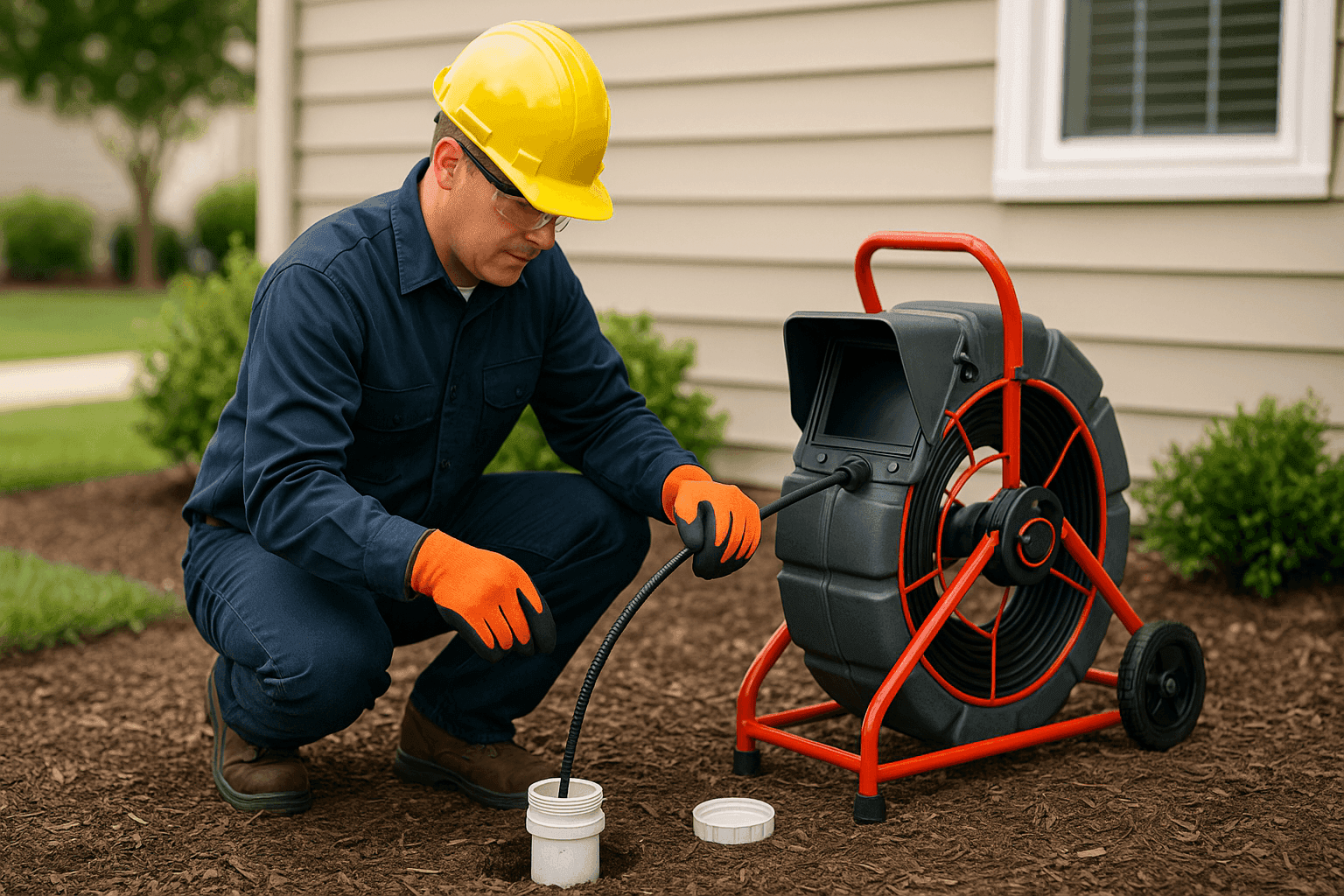
- Rapid Dispatch: Licensed plumbers arrive with specialized tools—cameras, locators, safety gear.
- Inspection: Video inspection pinpoints the break or blockage.
- Clear Pricing: We provide a straightforward estimate before starting work. No surprise charges.
- Containment: We set up barriers, protect flooring, and minimize mess.
- Repair: Depending on findings, we’ll recommend trenchless or traditional methods—always explaining the pros, cons, and costs.
- Cleanup: We handle proper waste disposal, so your home is safe to re-enter.
We’re fully insured, and our team is background-checked for your peace of mind.
Quick Safety Checklist ✅
- Shut off water at the main if backups occur.
- Never use electrical appliances near standing water.
- Avoid DIY chemicals—they can worsen damage and release fumes.
- Document damage for insurance with photos.
- If you smell gas (sometimes possible with sewer leaks), evacuate and call emergency services.
DIY Fixes vs. Calling a Pro
It’s tempting to grab a plunger or rent a drain snake. Sometimes, that’s enough for a simple clog. But sewer line failures run deeper.
DIY is risky when:
- Multiple drains back up at once.
- Water appears where it shouldn’t (basements, lawns, foundation cracks).
- You notice sewage odors or visible waste.
Calling a pro is critical for:
- Sewage backups.
- Persistent slow drains after DIY attempts.
- Any sign of structural damage or water near electrical systems.
Why? Licensed plumbers have the tools (and hazmat training) to fix the source safely—not just the symptom.
What Pros Do On Arrival
- Camera Inspection: Fiber-optic cameras snake through your pipes, giving a real-time view—and proof—of the problem.
- Locate the Fault: Electronic locators pinpoint the break, saving time and money.
- Explain Options: We lay out repair choices, timeline, and cost—no pressure, just facts.
- Start Repairs: With your go-ahead, we get to work, whether that’s clearing a blockage, patching a crack, or replacing whole sections.
- Test & Verify: Once finished, we retest to ensure flow is restored and the repair holds.
Our plumbers follow OSHA safety standards and local building codes, always.
Prevention & Maintenance
You can’t control every root or rainstorm. But these habits keep your pipes in better shape:
- Skip the Wipes: Even “flushable” wipes don’t break down like toilet paper. Bin them instead.
- Watch What Goes Down: Grease, coffee grounds, and fibrous foods belong in compost, not the drain.
- Tree Placement: Don’t plant new trees near sewer lines. If you already have them, annual root control can help.
- Annual Inspections: A yearly camera check by a plumber can catch small cracks before they become big, expensive messes.
- Install Backflow Prevention: In flood-prone areas, a backflow valve can protect your home from city sewer surges.
For more, check your city’s plumbing guidelines or the U.S. EPA’s sewer care tips.
Costs & Time Factors
No two sewer repairs are identical. Here’s what drives price and timeline:
- Length and Depth of Pipe: Deeper or longer runs cost more.
- Material: Clay, cast iron, and Orangeburg are pricier to replace than newer plastic.
- Access: Pipes under driveways, patios, or large trees require more labor.
- Permits: Some repairs need city inspection or permits, which can add time and cost.
- Emergency Service: After-hours or holiday rates are usually higher—but waiting can mean more damage.
Most residential jobs range from $3,000 to $12,000. Smaller repairs may be less, while major replacements can run higher. Always ask for a clear, written estimate before work begins.
When It’s an Emergency
Some plumbing issues can wait. Sewer line failures rarely can. Call for emergency plumbing when:
- Sewage Is Backing Up Into Your Home: Any sign of waste coming up through drains is urgent.
- You Smell Gas or Strong Sewer Odors: Both can signal dangerous leaks.
- Rapidly Spreading Water Damage: The faster you act, the less repairs will cost.
Exe Plumbing is available 24/7—including weekends and holidays.
Local & Seasonal Considerations 🌳
Living in areas with older trees? Tree roots are the enemy of buried pipes, especially after a wet spring. In colder regions, frost heaves can crack brittle pipes, especially those laid above the frost line.
Heavy clay soils (common in many residential neighborhoods) put extra pressure on aging pipes, speeding up collapse. If your home is older than 40 years or you’ve had landscaping work done, regular inspections are especially important.
Frequently Asked Questions
How do I know if it’s my sewer line or just a drain clog?
If every drain in your house slows down or backs up at once, it’s likely a main line problem. If it’s just the kitchen or bathroom, start with that fixture.
Will home insurance cover sewer line repairs?
Some policies do, especially with added sewer backup endorsements. Damage from wear-and-tear or tree roots is often excluded, so check your policy.
Can I use chemical drain cleaners?
We strongly recommend against it. Chemicals can corrode pipes, harm the environment, and rarely fix main line issues. Mechanical removal by a pro is safer.
How often should I have my sewer checked?
Most plumbers suggest a camera inspection every 1–2 years for homes over 30 years old, or after major storms or landscaping work.
Don’t let sewer trouble flood your peace of mind. If you spot warning signs—or need urgent help—Exe Plumbing is ready. Call Exe Plumbing now — or reach us anytime at 877-775-9948 .