Sewer Line Installation: Homeowner’s Guide to Process & Permits
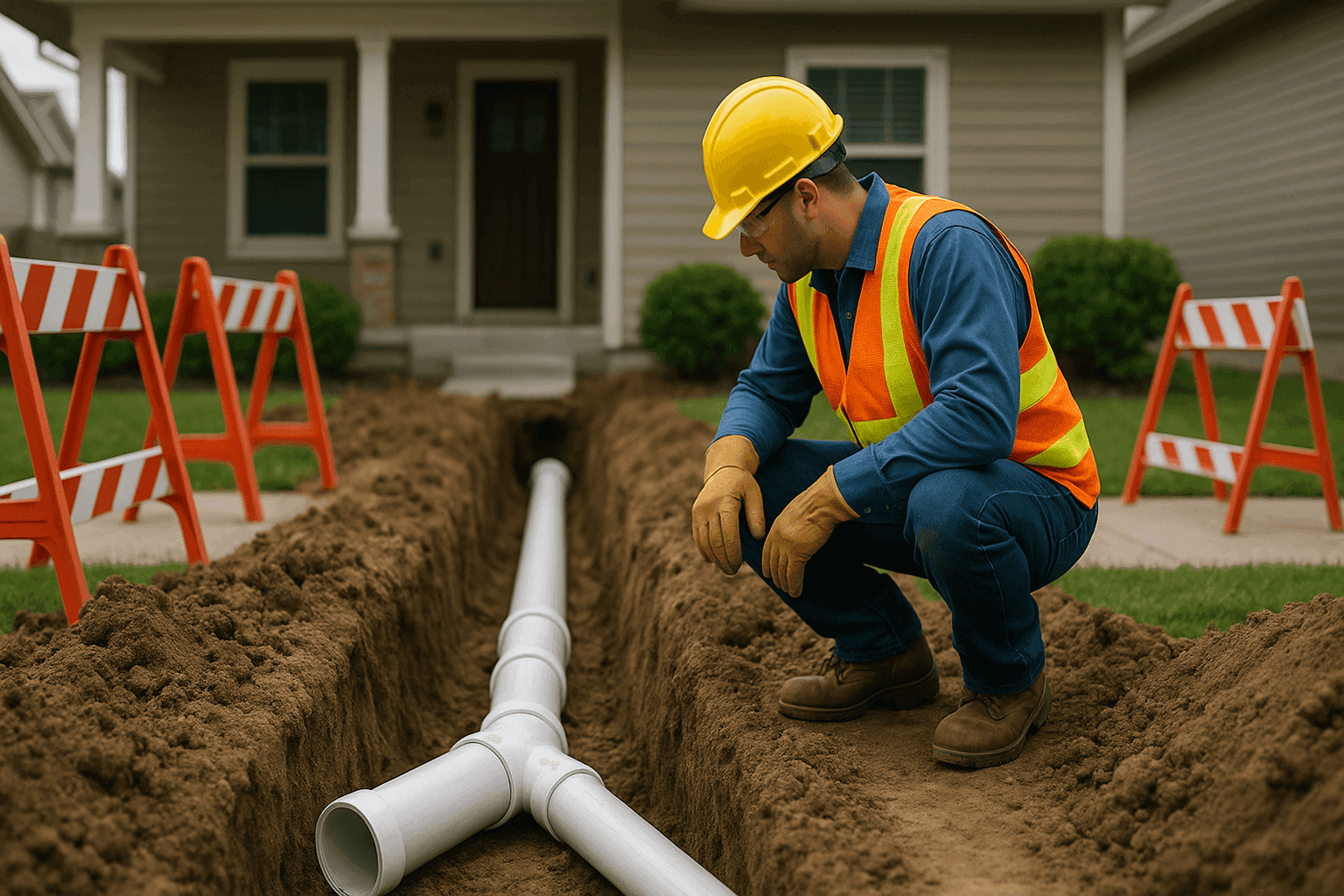
Every homeowner dreads the words: “You need a new sewer line.” It’s a big project, but knowing what to expect helps you stay in control—and avoid headaches down the road.
At Exe Plumbing, we handle emergencies, repairs, and installations every day. We’re fully licensed, code-compliant, and committed to a process that keeps your home safe and your stress levels low.
When Do You Need a New Sewer Line? 🚦
Like the silent roots of a giant tree, your sewer line works quietly underground—until something goes wrong. Recognizing the warning signs early can save you from a messy, expensive disaster.
Common Triggers for Replacement:
- Persistent backups, even after professional drain cleaning
- Sewage odors in your yard or basement
- Soggy patches or lush grass in one spot (possible leak)
- Repeated clogs in multiple drains—not just one sink or toilet
- Old pipes made from clay, Orangeburg, or corroded cast iron
- Tree roots invading and cracking the line
- Major home renovations or additions (may trigger code upgrades)
If you notice any of these, it might be time for a full inspection. Plumbers use camera technology to see exactly what’s happening out of sight. If your line is collapsing, broken, or out of code, replacement is usually the safest route.
Sewer Line Installation Process: Step by Step
Think of installing a new sewer line like open-heart surgery for your home’s plumbing. It’s invasive, but with the right steps, your system comes back even stronger.
1. Inspection and Planning
First, we scope the line with a video camera. This confirms the exact location and cause of the problem. Next, we review local codes and utility maps (to avoid hitting gas or water lines).
2. Permitting (more on this below)
Most cities require permits and official inspections before, during, and after the work.
3. Marking and Excavation
We mark out the path above ground. Then comes excavation—digging a trench, often several feet deep, to access the full length of the pipe. In some cases, trenchless repair methods may be possible.
4. Removal of Old Pipe
Careful removal prevents soil cave-ins and damage to surrounding property.
5. New Pipe Installation
We install the new line, ensuring proper slope for drainage. Joints are sealed tight to prevent leaks or tree root intrusion.
6. Connection and Backfill
The new pipe is connected to your home’s plumbing on one end and the municipal sewer (or septic) on the other. We backfill the trench, compacting the soil to avoid future sinkholes.
7. Inspection and Final Approval
Local inspectors review the work for code compliance before the job is considered complete.
Equipment commonly used:
- Excavators or trenchers
- Pipe cutters and fusion tools
- Video inspection cameras
- Soil compactors
Timeline:
Most residential jobs take 2-5 days, depending on length, depth, soil type, weather, and inspections.
Permitting and Inspections: What Homeowners Need to Know 📝
Skipping permits is like skipping a safety net on a tightrope. It’s never worth the risk.
Why Permits Matter:
- Local building codes require them for any sewer work.
- Inspectors ensure your installation meets health and safety standards (see the International Plumbing Code and local amendments).
- Without permits, you could face fines—and problems selling your home later.
The Typical Permitting Process:
- Submit plans to your city or county building department
- Wait for approval (can take days to weeks)
- Schedule required inspections (often “rough-in” before covering the pipe, then a final inspection)
- Keep all paperwork for your records
Local Nuances:
Soil types matter. Rocky or clay-heavy soil can slow digging and require special backfill. Frost lines (how deep the ground freezes in winter) affect how deep the pipe needs to go. In colder climates, pipes must be buried below the frost line to prevent freezing and bursting.
Permit requirements can also vary by neighborhood, especially in historic districts. Always check with your local building authority.
Choosing the Right Material: PVC, Cast Iron, and Trenchless Options
The right pipe material is like choosing the right tires for your car—it affects performance, longevity, and cost.
Common Options:
-
PVC (Polyvinyl Chloride):
Lightweight, affordable, and resistant to most chemicals. Easy to install, but can crack under extreme pressure or shifting soil. -
Cast Iron:
Tough, long-lasting, and quiet (reduces noise of water flow). Heavy and more expensive. Can corrode over decades, especially in acidic soil. -
Trenchless Technology:
Methods like pipe bursting or lining let us repair or replace pipes without digging up your yard. Not always possible—depends on the condition of the old line.
What’s Best?
For most modern homes, PVC is the go-to for cost and durability. Cast iron is sometimes required by local codes, especially in multi-family or historic homes. Trenchless options are great for minimizing mess, but not every situation qualifies.
We’ll always walk you through material choices, weighing your home’s needs, local regulations, and budget.
Quick Safety Checklist Before Any Sewer Line Work 🛡️
- Call 811 (or your local utility marking service) to locate underground lines
- Keep pets and children away from the work area
- Ask for proof of license and insurance from any contractor
- Review your city’s code requirements (see EPA and International Plumbing Code for reference)
- Confirm that all permits are in place before work starts
DIY vs. Call a Pro
Sewer line installation isn’t like fixing a leaky faucet. It’s a complex, risky job for several reasons:
- Requires heavy equipment and technical expertise
- Mistakes can cause serious property damage or health hazards
- Unpermitted work may invalidate insurance and legal protections
Even if you’re handy, this job is best left to licensed professionals with the right tools and experience. For urgent issues, emergency plumbing services can respond fast to prevent further damage.
What Pros Do On Arrival
When Exe Plumbing arrives, here’s what you can expect:
- Assessment: We listen to your concerns, inspect the affected area, and review any symptoms you’ve noticed.
- Diagnostic: A camera inspection pinpoints the problem.
- Explanation: We break down your options, explain the process in plain language, and answer your questions.
- Permit Prep: We handle permits and schedule inspections with local authorities.
- Safe Work: Our team uses protective gear and signage to keep your property and family safe.
- Transparent Updates: You get updates at every stage, from digging to final inspection.
Prevention & Maintenance Tips
A new sewer line is a fresh start. To keep it flowing:
- Don’t flush wipes, grease, or hygiene products—ever
- Plant trees/shrubs away from sewer lines to prevent root intrusion
- Schedule regular plumbing inspections (especially if you’ve had issues before)
- Consider a backflow prevention device if your area is prone to flooding
For related needs—like Sump Pump Repair near you—annual checkups can catch problems before they become emergencies.
Costs & Time Factors
No two sewer line jobs are identical. Here’s what affects the price and timeline:
- Pipe length and depth
- Soil type (rocky or clay soils may cost more)
- Material choice (PVC is usually less than cast iron)
- Trenchless vs. traditional installation
- Permit and inspection fees (set by your local government)
- Weather and accessibility (tight yards or busy streets can slow things down)
Most jobs take several days from start to finish. Emergency plumbing teams can expedite the process if your home is at risk.
When It’s an Emergency
Raw sewage in your home? Soggy, foul-smelling yard? That’s an emergency. Call for help immediately. Exposure to sewage is a serious health risk and can quickly cause structural damage.
Exe Plumbing’s emergency plumbing crews are always ready. We prioritize safety and fast, compliant repairs.
FAQ: Sewer Line Installation
Q: Will I lose water service during installation?
A: Usually, only during the final connection—typically a few hours.
Q: Can tree roots be permanently stopped?
A: Modern pipes are less prone to root intrusion, but planting trees away from lines is the best prevention.
Q: What if my property is on a steep hill?
A: Extra planning is needed, but proper slope is actually essential for sewer flow. We use laser levels to ensure accuracy.
Q: How do I know if trenchless is possible?
A: A camera inspection and soil test will determine if your line qualifies.
Local & Seasonal Considerations 🌦️
- Soil: Sandy soil is easier to dig but may need special backfill. Rocky ground slows work and may require extra equipment.
- Frost line: In colder climates, pipes must go deeper to avoid freezing. Your city sets the minimum depth.
- Permits: Some areas require extra paperwork for older or historic homes, or if you’re near wetlands or protected land.
- Rain and snow: Heavy rain can delay digging and backfilling. Plan for some weather wiggle room.
Always check with your local building department for the latest codes and permit requirements. The International Plumbing Code and your city’s amendments are the final word.
Ready to talk about your sewer line?
Call Exe Plumbing now — or reach us anytime at 877-775-9948 .