Sewer Line Inspections: Why, When & How for Homeowners
Have you ever heard a gurgle from your drain and brushed it off? Maybe you noticed a mysterious damp patch in the yard. These moments might seem small—until a sewer line backs up, and suddenly, you’re in the middle of an emergency plumbing nightmare.
At Exe Plumbing, we know that even the best-kept homes can run into hidden plumbing trouble. Sewer line inspections are one of the smartest steps you can take to keep things running smoothly and avoid costly surprises.
What Is a Sewer Line Inspection? 🛠️
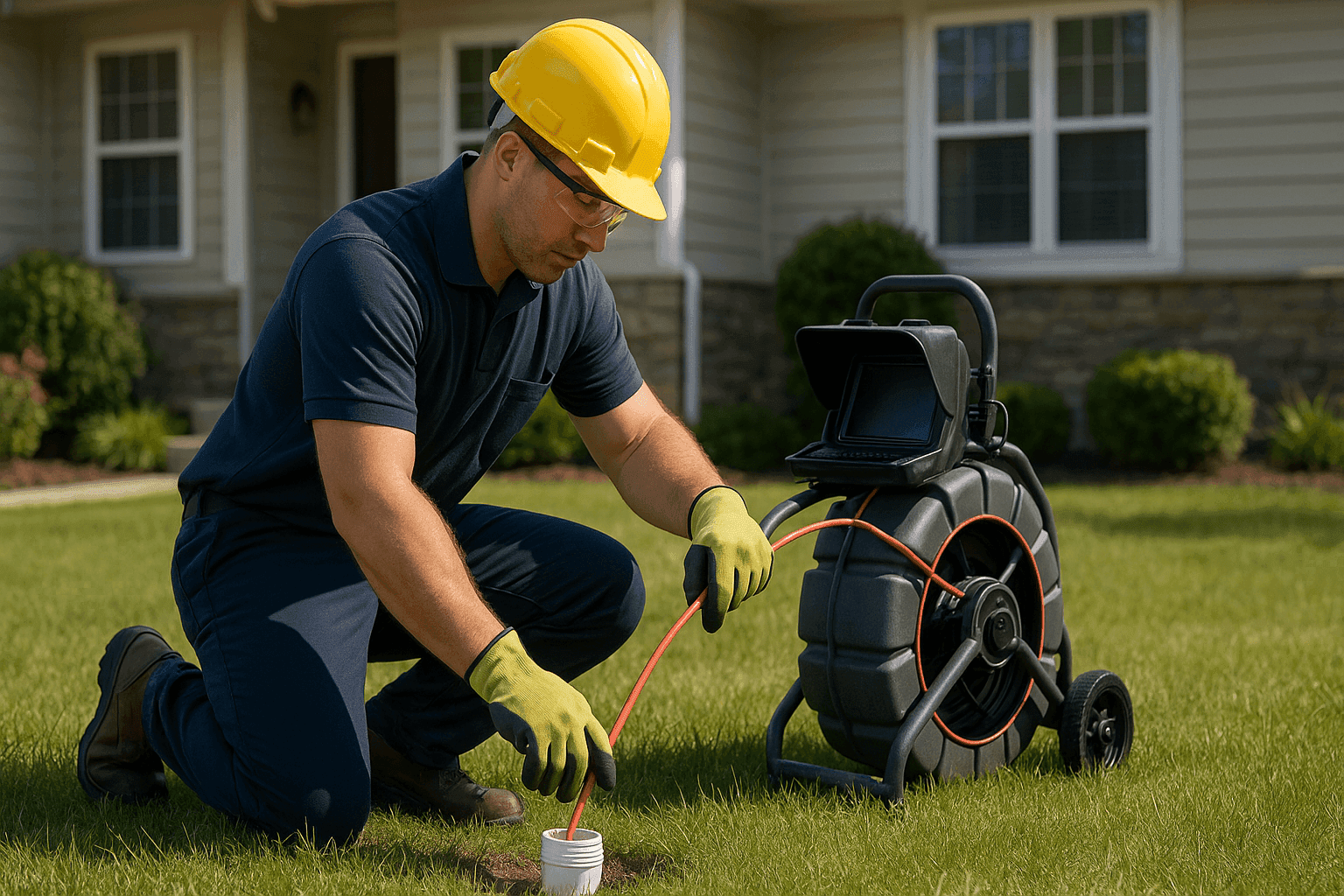
Picture this: a tiny, waterproof camera snakes its way through your home’s main sewer pipe. It feels a bit like sending a submarine into the unknown. The camera captures real-time video, revealing blockages, cracks, tree roots, or other hidden problems—all without digging up your yard.
How does it work?
- A plumber locates your main sewer cleanout (often outside or in the basement).
- A flexible camera cable is carefully fed into the pipe.
- Live footage displays on a monitor. You and your plumber can see inside your pipes, inch by inch.
- The process checks for clogs, corrosion, joint separation, root intrusion, or even collapsed lines.
Why use cameras?
Modern camera technology finds issues that human eyes and guesswork can’t. It’s like having x-ray vision for your plumbing. For homeowners, it means problems are spotted early—before they become disasters.
When Should You Inspect? 🚩
Timing matters. Sewer line issues rarely announce themselves with fireworks. More often, they whisper warnings. Here’s when you should think about scheduling an inspection:
Warning Signs at Home
- Slow drains in multiple rooms
- Gurgling toilets or sinks
- Foul odors indoors or outdoors
- Wet, sunken, or extra-green patches in your yard
- Repeated clogs or backups
These signs mean something’s brewing below the surface. Don’t wait until sewage is in your basement to act.
Buying or Selling a Home
Planning a move? Always request a sewer line inspection. Many hidden problems only show up after the keys change hands—when you’re on the hook for repairs. National property inspectors and the International Association of Certified Home Inspectors (InterNACHI) recommend this step for peace of mind.
After Major Tree Growth or Storms
Big trees are beautiful, but their roots hunt for water—and can invade sewer pipes. If you have mature trees near your line, or if your area’s seen major storms, get checked. Local soils can shift, letting tree roots squeeze in through tiny cracks.
What to Expect During Inspection
Let’s break it down. What happens when you schedule a sewer line inspection with Exe Plumbing?
Timeline
- Most inspections last 45–90 minutes for a residential property.
- More complex systems or older homes may take longer.
The Process
- Setup: The plumber locates the cleanout and discusses any known issues.
- Camera Insertion: The camera and cable are fed through the main line.
- Real-Time Review: You can watch the footage with your plumber. See problems as they appear.
- Findings: The team documents any trouble—cracks, clogs, roots, or pipe misalignment.
- Next Steps: You get a clear report. If repairs are needed, you’ll know exactly where and why.
Results & Next Steps
- Minor issues? Often solved with drain cleaning or root removal.
- Major damage? Plans for pipe repair, trenchless options, or repiping may be discussed.
- No issues? Sleep easy knowing your line is clear.
Benefits of Proactive Inspections
Why check your sewer line before there’s a crisis? It’s like catching a tiny leak before it floods your basement.
- Early Detection: Small cracks, slow leaks, and root invasions are fixed before they cause chaos.
- Avoid Emergencies: Skip the midnight call for emergency plumbing help.
- Save Money: Prevent water damage, mold, and expensive repairs.
- Protect Property Value: Inspections are a selling point for future buyers.
At Exe Plumbing, we use the latest camera tech, and our certified inspectors know what to look for—so you get answers you can rely on.
Local Nuances: Tree Roots & Soil Issues
Every area faces unique sewer line challenges. If you live in an older neighborhood with mature oaks or maples, roots are your main enemy. These sneaky intruders exploit even the tiniest cracks, growing over time and blocking flow.
Certain soils—like heavy clay or sandy loam—can also shift with rain or drought. That movement puts pressure on pipes, sometimes causing cracks or misalignment. If your home is in a spot with lots of tree coverage or changing ground, regular inspection is even more important.
Practical Tips for Homeowners
- Flush wisely: Only toilet paper and waste should go down. No wipes, grease, or “flushable” products.
- Watch for surface changes: Sudden dips or muddy patches in your yard? Get it checked.
- Schedule annual checks: Especially if you’ve had issues before, or if your home is over 30 years old.
- Know your cleanout location: Saves time if you ever need emergency plumbing.
Frequently Asked Questions
How often should I have a sewer line inspection?
Most homes benefit from an inspection every 2–3 years. If you have lots of trees, older pipes, or have noticed warning signs, inspect more often.
Is it safe for me to try a camera inspection myself?
DIY camera rentals exist, but they rarely match the quality and accuracy of a pro. It’s easy to miss hidden cracks or misjudge what you see. Plus, improper use can damage the camera or your pipes.
What happens if problems are found during inspection?
You’ll get a full report with video or images. Minor issues may be cleared right away (such as root removal). Bigger repairs can be planned, often with less digging thanks to the precise location info from the camera.
Are sewer line inspections messy or disruptive?
Not at all. There’s no digging, no major mess. Most work happens at the cleanout, and you can watch the entire process if you wish.
Sewer Line Inspection Costs & Time Factors
Prices vary by region, home age, and pipe length. Inspections are generally affordable—especially compared to emergency repairs or property damage. Most take less than two hours. For complex jobs, the process may need more time, especially if multiple lines or blockages are involved.
When It’s an Emergency
If sewage backs up into your home, drains stop working, or foul odors fill the air, call for emergency plumbing immediately. Quick action protects your health and property.
For urgent situations, Exe Plumbing is ready to respond—day or night.
Local and Seasonal Considerations
- Spring/Fall: Roots grow rapidly, especially after heavy rains.
- Winter: Frozen ground can shift, sometimes cracking older pipes.
- After big storms: Excess water stresses pipes and can reveal hidden leaks.
If your area is known for tree-lined streets or clay-heavy soil, regular checks are a must. Ask neighbors or local officials about common sewer issues in your neighborhood.
Closing Thoughts
There’s peace of mind in knowing your home’s pipes are in good shape. A sewer line inspection is a small step with big payoffs—early detection, smooth drains, and no nasty surprises. Whether you need emergency plumbing, sump pump repair near you, or just want to stay ahead of trouble, Exe Plumbing is here for you.
Call Exe Plumbing now — or reach us anytime at 877-775-9948 .