Seasonal Plumbing Maintenance: Essential Tips to Prevent Emergencies
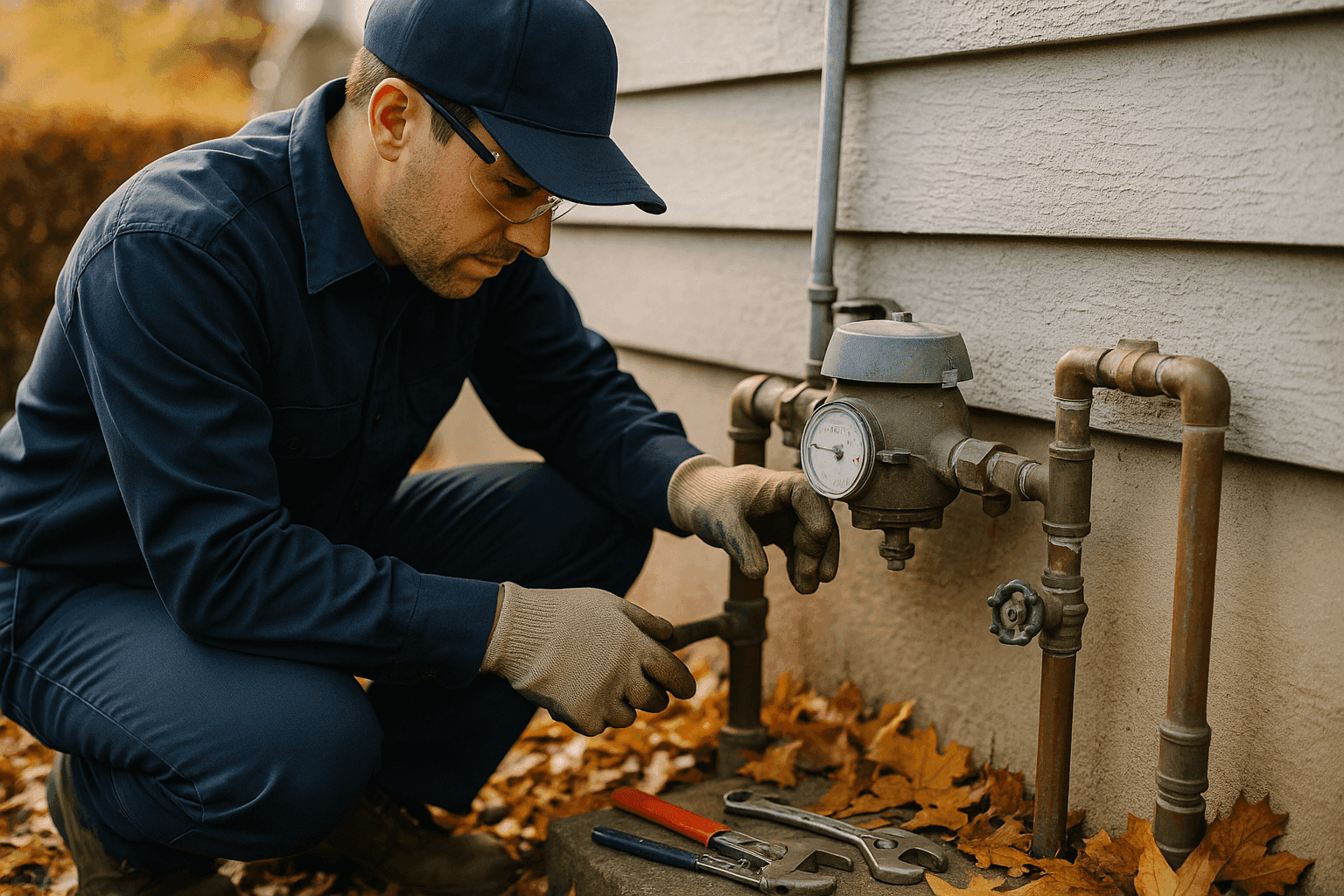
Is your plumbing ready for the seasons ahead? One hidden leak or frozen pipe can turn a normal day into a costly, stressful scramble. But the good news? You can keep emergencies at bay with a little seasonal know-how and the right support.
At Exe Plumbing, we see firsthand how simple steps—done at the right time—can save homeowners and small business owners from water damage, lost time, and unexpected bills. Here’s how to keep your plumbing flowing smoothly all year long.
Why Seasonal Plumbing Maintenance Matters
Plumbing systems are like the veins of your property. When they’re healthy, everything runs as it should. But small issues—ignored or unseen—can snowball fast. A clogged drain in spring can become a flooded basement in summer. A slow drip in autumn might freeze and burst come winter.
Seasonal maintenance is your best defense. It’s not just about comfort. It’s about protecting your investment, your safety, and your peace of mind.
Quick Safety Checklist 🛠️
Start with these essentials each season:
- Check for leaks under sinks, around toilets, and near water heaters.
- Test water pressure in showers and faucets. Sudden drops can signal trouble.
- Inspect exposed pipes for rust, cracks, or condensation.
- Clear drains and remove hair, grease, or debris.
- Flush water heaters to remove sediment buildup.
- Test sump pumps before heavy rain seasons.
- Look for signs of moisture on walls, ceilings, or floors.
- Check outdoor faucets and hoses for leaks or frost damage.
- Listen for strange noises in pipes—banging, whistling, or gurgling.
- Review shut-off valves to ensure they’re working and accessible.
A quick walk-through with this checklist can help you spot trouble before it spirals.
Spring: Prepare for Rain and Growth
Spring brings new life—and sometimes, new plumbing problems. Melting snow and heavy rains can overwhelm drains and sump pumps. Roots start searching for water, sneaking into sewer lines.
Key Tasks:
- Clear gutters and downspouts to direct water away from your foundation.
- Inspect sump pumps and test them by pouring water into the pit.
- Check basement and crawl space for dampness or leaks.
- Schedule a professional sewer line inspection if you’ve had backups before.
- Examine outdoor faucets for winter damage.
Tip: Tree roots love small cracks in sewer pipes. If you notice slow drains or gurgling toilets, act fast.
Summer: Watch for Leaks and Water Pressure
Long, hot days mean more showers, lawn watering, and increased demand on your plumbing. This is prime time for unnoticed leaks and water pressure problems.
Key Tasks:
- Inspect hoses and sprinkler systems for leaks.
- Look for wet spots in the yard—these could signal underground pipe issues.
- Check water pressure. High pressure can stress pipes and fixtures.
- Clean out garbage disposals and kitchen drains after cookouts.
- Service your water heater if you skipped it in spring.
Tip: High water bills in summer often point to hidden leaks. Don’t ignore the signs.
Fall: Get Ready for Cold and Rain
Autumn is your last chance to prepare before freezing temperatures arrive. Heavy rain can also test your drains and sump pumps.
Key Tasks:
- Drain and store outdoor hoses.
- Shut off and insulate outdoor faucets.
- Clear leaves and debris from gutters and storm drains.
- Test sump pumps and backup power supplies.
- Inspect insulation on exposed pipes.
- Schedule backflow testing if required.
Tip: Insulating pipes in unheated spaces—like garages or crawl spaces—can prevent winter disasters.
Winter: Defend Against Freezing
Frozen pipes are the stuff of plumbing nightmares. When water expands as it freezes, it can burst even the toughest pipe. Winterizing is non-negotiable.
Key Tasks:
- Keep cabinet doors open under sinks to let warm air circulate.
- Let faucets drip during deep freezes to prevent standing water.
- Check boiler and water heater function.
- Insulate pipes in attics, basements, and exterior walls.
- Know where your main shut-off valve is—just in case.
Tip: A pipe that freezes once is likely to freeze again. Address the root cause, not just the symptom.
Routine Inspection Checklist
Stay proactive with these regular checks:
- Monthly: Inspect visible pipes, check for leaks, clean drains.
- Quarterly: Test water pressure, flush water heater, check sump pump.
- Seasonally: Review insulation, inspect outdoor plumbing, clean gutters.
- Annually: Schedule professional inspection and backflow testing.
DIY vs. Call a Pro
Some tasks are perfect for a Saturday afternoon. Others need a skilled hand.
DIY-Friendly:
- Clearing minor clogs with a plunger or drain snake.
- Replacing faucet washers or showerheads.
- Insulating accessible pipes.
- Tightening loose fixtures.
Call a Professional When:
- You spot persistent leaks or water stains.
- Drains back up repeatedly.
- Water pressure drops suddenly or spikes.
- You hear banging pipes ("water hammer").
- You need gas line, sewer line, or backflow work.
A pro brings experience, proper tools, and knowledge of current codes. They spot what you might miss and can prevent a small problem from becoming an emergency.
What Pros Do On Arrival
When you call Exe Plumbing for emergency plumbing or maintenance, here’s what to expect:
- Assessment: We inspect affected areas, checking for visible and hidden damage.
- Diagnosis: Using tools like leak detectors, sewer cameras, and pressure gauges.
- Action: We address the immediate issue—stopping leaks, unclogging drains, or repairing pipes.
- Advice: We explain what happened, why, and how to prevent it in the future.
- Documentation: We provide clear records for insurance or warranty purposes.
Our team follows safety standards set by organizations like the International Association of Plumbing and Mechanical Officials (IAPMO) and adheres to local building codes.
Prevention & Maintenance Tips
A little prevention goes a long way:
- Install water leak detectors near appliances and in basements.
- Use drain strainers to catch hair and debris.
- Never pour grease down the sink.
- Know your plumbing system’s age—older pipes may need repiping.
- Schedule annual inspections even if nothing seems wrong.
- Test water quality and consider filtration if needed.
- Keep records of repairs and maintenance.
Preventative maintenance isn’t just for peace of mind. It can help you avoid sudden shutdowns, property damage, and expensive repairs.
Costs & Time Factors
Plumbing maintenance varies in cost and time, depending on the task:
- DIY checks: Often free, take 30–60 minutes per month.
- Professional inspections: Usually take 1–2 hours.
- Minor repairs: Can range from a quick fix to a half-day job.
- Major repairs or replacements: May take several hours to a few days.
Delaying maintenance often means higher costs down the road. Emergency plumbing repairs are almost always more expensive than routine upkeep.
When It’s an Emergency 🚨
Some plumbing issues can’t wait:
- Burst pipes or flooding.
- Sewage backups or strong sewage smells.
- No water or no hot water.
- Gas leaks (leave the property and call for help immediately).
- Overflowing toilets or drains.
If you’re facing any of these, call for emergency plumbing right away. Water damage can start in minutes and worsen fast.
Frequently Asked Questions
How do I know if my pipes are at risk of freezing?
Pipes in unheated areas—basements, attics, garages, or along exterior walls—are most at risk. If you notice frost on pipes or reduced water flow during cold snaps, take action immediately.
What’s the best way to prevent clogged drains?
Use strainers in sinks and showers, avoid pouring grease or coffee grounds down the drain, and run hot water after each use. Regularly clean traps and flush pipes with baking soda and vinegar.
How often should I have my plumbing inspected?
At least once a year. Schedule extra checks if your property is older or you’ve had issues before. Annual inspections catch small problems early.
Can I use chemical drain cleaners for clogs?
It’s best to avoid them. Chemical cleaners can damage pipes, especially older ones, and harm the environment. Mechanical methods or professional drain cleaning are safer.
Special Considerations for Homes and Small Businesses
Every property is unique. Homes may have aging pipes or older fixtures. Small businesses face added pressure—plumbing downtime can mean lost customers or revenue.
- Schedule maintenance during off-hours to avoid disruption.
- Educate staff on early warning signs (for businesses).
- Keep emergency contacts handy for quick response.
- Consider water filtration for high-traffic kitchens or restrooms.
- Review insurance coverage to understand what’s included in plumbing emergencies.
Remember, investing in regular maintenance is like putting on your seatbelt. You hope you never need it—but when trouble hits, you’re glad it’s there.
Call Exe Plumbing now — or reach us anytime at 877-775-9948 .