Preventing Plumbing Disasters: Essential Seasonal Maintenance Tips
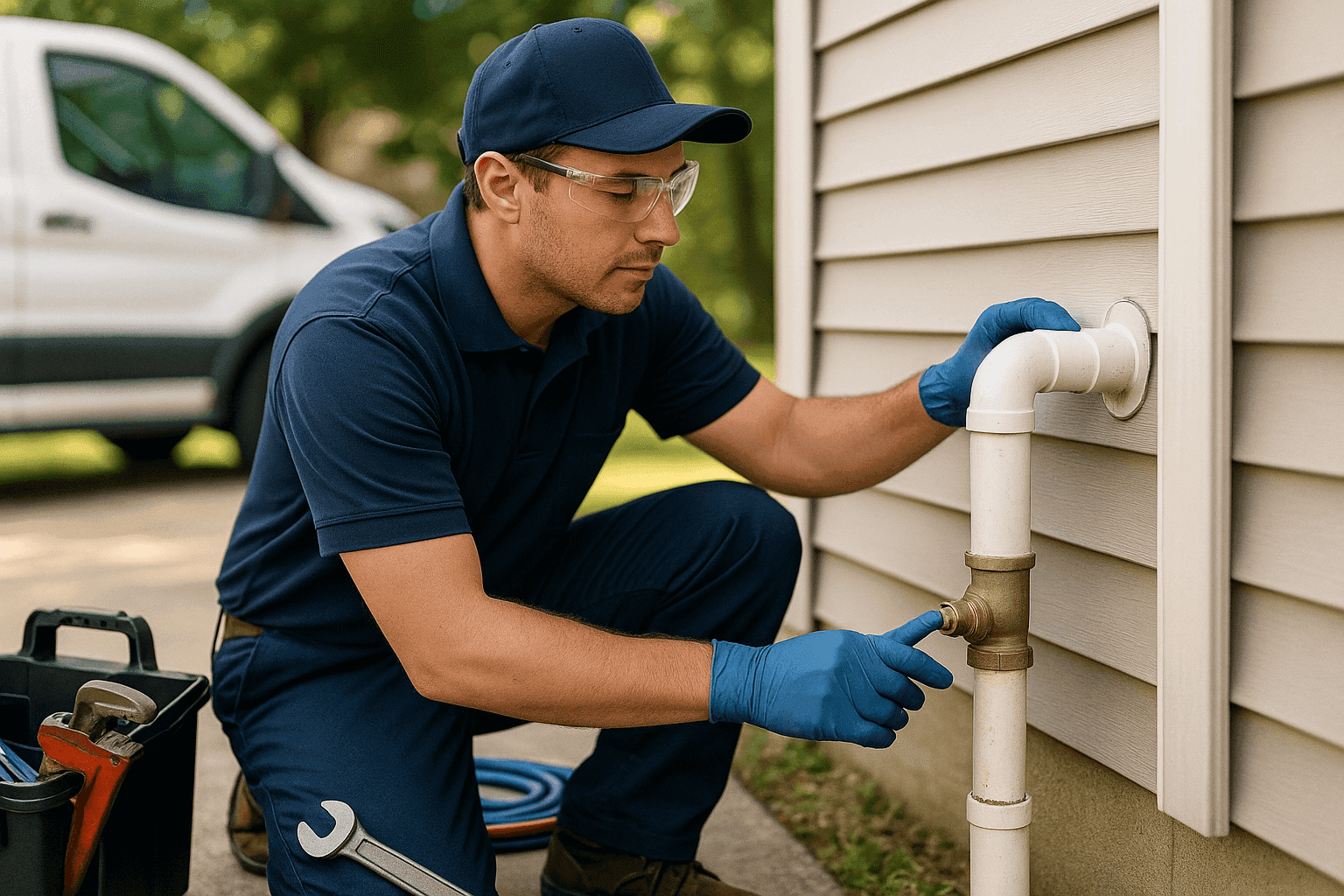
Every year, thousands of homeowners and business owners wake up to a plumbing disaster. Burst pipes. Overflowing toilets. Water gushing where it shouldn’t. It’s stressful, expensive, and always seems to happen at the worst time.
At Exe Plumbing, we know that most plumbing emergencies can be prevented with a little seasonal care. Our licensed plumbers have seen it all. We’re here to share practical, proven tips that keep your plumbing running smoothly—no matter what the weather brings.
Why Seasonal Plumbing Care Matters 🛠️
Think of your plumbing like the veins and arteries of your home or business. When they’re clear and healthy, everything flows. When they’re blocked or damaged, problems build up fast. Seasonal changes put different stress on pipes, drains, and fixtures.
Ignoring maintenance is like skipping regular checkups. Small issues—like a slow drain or a tiny leak—can turn into major headaches overnight. According to the International Association of Certified Home Inspectors (InterNACHI), water damage from plumbing failures is one of the leading causes of property loss.
The bottom line: A little prevention goes a long way. By following a simple checklist each season, you can avoid the most common disasters and keep your plumbing in top shape.
Winter Plumbing Tips to Avoid Freezing and Bursting Pipes
When temperatures drop, water in your pipes can freeze. Frozen water expands, putting pressure on pipes until they burst. This is one of the most expensive and disruptive plumbing emergencies.
Winter Checklist:
- Insulate exposed pipes in unheated areas (attics, basements, garages).
- Disconnect and drain outdoor hoses and shut off exterior faucets.
- Keep a trickle of water running from taps during deep freezes.
- Open cabinet doors under sinks to let warm air circulate around pipes.
- Seal gaps and cracks in walls near pipes to block out cold drafts.
- Know where your main water shutoff valve is located—just in case.
Pro Tip: If you’re leaving your property for an extended period, consider draining the water system or keeping the heat on low to prevent freezing.
Summer Maintenance for Efficient Drain and Water Heater Performance
Summer brings its own set of plumbing challenges. Heavy rains can overwhelm drains. Hot weather means more showers, laundry, and water use—putting extra strain on your system.
Summer Checklist:
- Check and clean floor and outdoor drains to prevent backups.
- Inspect sump pumps for proper operation, especially before stormy weather.
- Flush your water heater to remove sediment and improve efficiency.
- Look for signs of leaks under sinks, behind toilets, and around appliances.
- Test water pressure—low pressure can signal hidden leaks or pipe blockages.
- Examine hoses on washing machines and dishwashers for cracks or bulges.
Did You Know? The U.S. Department of Energy recommends draining a quart of water from your water heater every three months to prevent sediment buildup and extend its lifespan.
Emergency Prevention: Early Warning Signs and When to Call a Professional 🚨
Most plumbing disasters give you a warning before they strike. Catching these signs early can save you from costly emergency plumbing repairs.
Watch for:
- Slow drains or frequent clogs.
- Unusual sounds—banging, whistling, or gurgling in pipes.
- Water stains, damp spots, or musty odors.
- Unexplained spikes in your water bill.
- Reduced water pressure or sudden temperature changes.
If you notice any of these, don’t wait. Some fixes are simple, but others require the tools and know-how of a licensed plumber. Waiting can turn a minor issue into a full-blown emergency.
Year-Round Plumbing Maintenance Checklist
Staying on top of maintenance doesn’t have to be complicated. Here’s a quick list to keep handy:
- Inspect visible pipes for corrosion or leaks.
- Test all faucets and fixtures for drips or weak flow.
- Clean or replace faucet aerators and showerheads.
- Check toilets for running water or leaks at the base.
- Ensure all drains are flowing freely—use a safe, non-corrosive cleaner if needed.
- Schedule annual professional inspections for water heaters, boilers, and backflow devices.
The Benefits of Professional Inspections
Some plumbing problems hide deep within your walls or underground. Professional plumbers use specialized tools—like video cameras for sewer line inspections and acoustic sensors for leak detection—that catch problems before they become disasters.
Regular professional checks can:
- Spot early signs of corrosion, leaks, or blockages.
- Protect your property from water damage and mold.
- Ensure your plumbing meets safety codes and insurance requirements.
- Extend the life of your pipes, fixtures, and appliances.
Safety Tips for DIY Maintenance
It’s tempting to tackle plumbing fixes yourself, but safety comes first. Always:
- Shut off the water supply before working on pipes or fixtures.
- Wear gloves and eye protection when handling chemicals or tools.
- Avoid using chemical drain cleaners—they can damage pipes and harm the environment.
- Never attempt gas line repairs unless you’re licensed and trained.
If you smell gas, hear hissing, or suspect a leak, leave the area immediately and call emergency services.
How Regular Upkeep Saves Money and Stress
Think of preventative plumbing maintenance like changing the oil in your car. It’s a small investment that prevents big, expensive breakdowns. By catching leaks, clogs, and wear early, you avoid water damage, mold, high utility bills, and the stress of midnight emergencies.
According to the Insurance Information Institute, water damage claims are among the most common—and costly—home insurance claims. Regular maintenance can help keep your premiums down and your property protected.
Frequently Asked Questions
How often should I have my plumbing inspected?
Most experts recommend a professional inspection at least once a year. Older properties or those with frequent issues may need more frequent checks.
What’s the best way to prevent frozen pipes?
Insulate exposed pipes, keep indoor temperatures above freezing, and let faucets drip during extreme cold. If you’re unsure, ask a licensed plumber to assess your property.
Is it safe to use chemical drain cleaners?
Most professionals advise against them. They can corrode pipes and harm the environment. Mechanical methods (like plungers or drain snakes) are safer and more effective.
What should I do if I find a leak?
Shut off the water supply and call a professional plumber. Quick action can prevent water damage and mold growth.
Special Considerations for Homeowners and Small Business Owners
Every property is unique. Homes with older plumbing, large families, or heavy water use may need extra attention. Small businesses—especially restaurants or shops with public restrooms—face higher risks from leaks or clogs. Regular maintenance protects your investment, keeps customers happy, and helps you avoid costly downtime.
If you’re unsure what your plumbing needs, schedule a consultation with a licensed professional. They’ll tailor a maintenance plan that fits your property and budget.
Take the stress out of plumbing emergencies. Protect your home or business with seasonal maintenance from the licensed team at Exe Plumbing.
Call Exe Plumbing now — or reach us anytime at 877-775-9948 .