How to Prepare Your Plumbing for Winter: Essential Tips to Avoid Emergencies
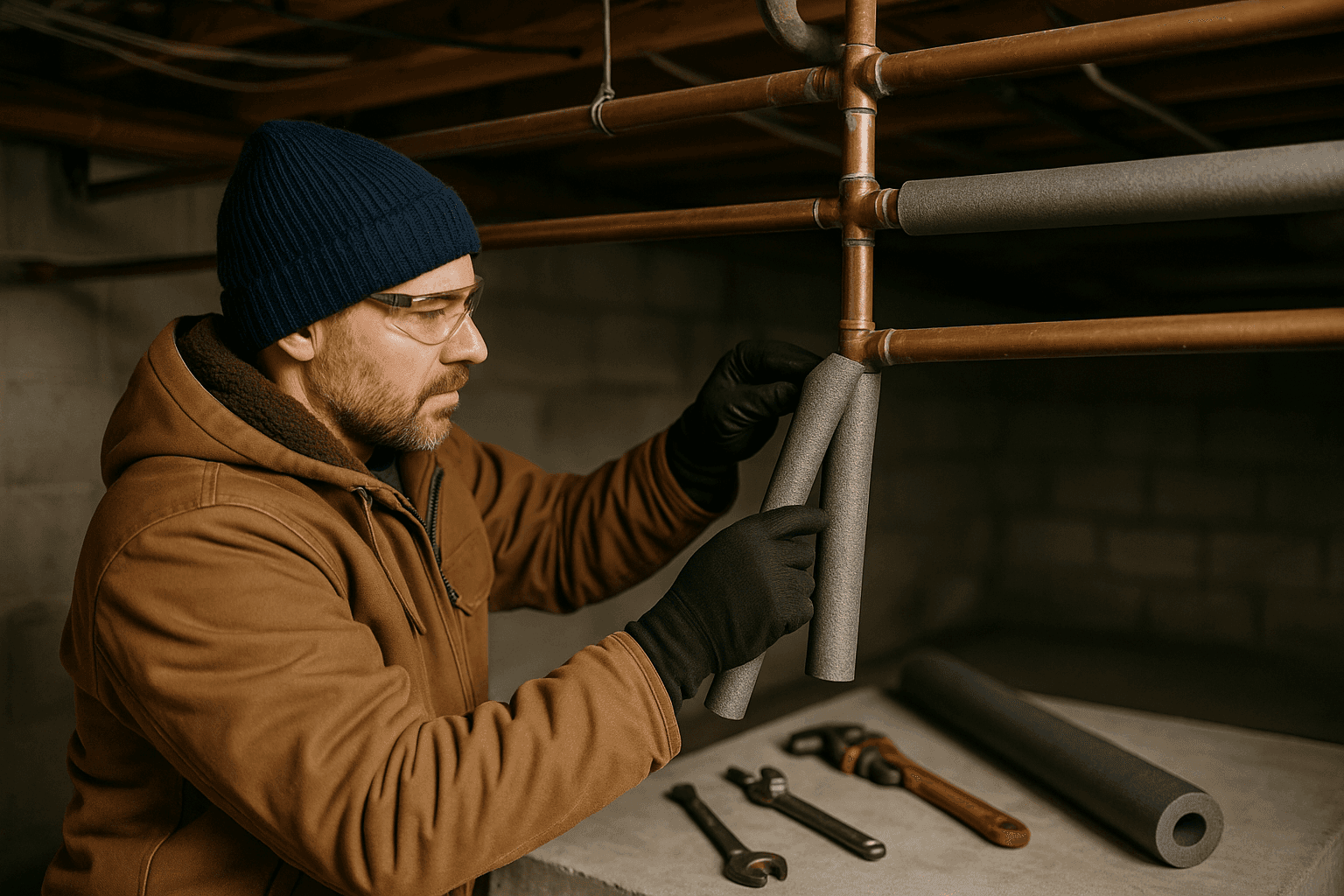
Winter can be tough on plumbing. One cold snap and suddenly you’re facing frozen pipes or a flooded basement. Whether you own a home or run a small business, a single burst pipe can turn your routine upside down.
At Exe Plumbing, we know how quickly winter emergencies strike. But with the right steps, you can keep your plumbing system running smoothly—even when the temperature drops. Let’s walk through the essentials to help you avoid those costly, stressful surprises.
Why Winter Plumbing Prep Matters
Imagine water in your pipes as a line of marathon runners. In summer, they move freely. But in winter, the route narrows—ice forms, pressure builds, and suddenly, someone crashes through the barrier. That’s what happens when pipes freeze and burst.
Frozen pipes, water heater failures, and clogged drains aren’t just inconvenient. They can cause expensive damage, disrupt your business, and even pose safety risks. According to the International Association of Certified Home Inspectors (InterNACHI), burst pipes are one of the most common causes of property damage during cold weather.
Taking time to winterize now is like putting up a sturdy fence before the storm hits.
Inspecting and Insulating Pipes 🧤
Spotting Vulnerable Pipes
Not all pipes are created equal. Some are more at risk when the temperature drops:
- Pipes in unheated spaces (basements, crawl spaces, garages, attics)
- Pipes along exterior walls
- Exposed plumbing under sinks or behind cabinets
Run your hand along these pipes. If they feel cold or you see condensation, they’re candidates for insulation.
How to Insulate Pipes
Insulating pipes is like wrapping a scarf around your neck before heading into a blizzard. It’s simple, but it works.
- Foam pipe sleeves: Slide these over exposed pipes. Cut to fit bends and joints.
- Fiberglass insulation: For extra protection, especially in very cold areas. Wear gloves—fiberglass can irritate skin.
- Heat tape: For pipes that have frozen before, heat tape adds warmth. Always follow manufacturer instructions and safety guidelines from the National Fire Protection Association.
Don’t forget outdoor spigots and hose bibs. Disconnect hoses and use insulated covers.
Pro Tip
Check for cracks or holes in walls near pipes. Seal them with caulk or spray foam to keep cold air out.
Maintaining Water Heaters and Boilers
Few things sting like a cold shower in the dead of winter. Water heaters and boilers work overtime when it’s chilly, so a little maintenance goes a long way.
Winter-Specific Maintenance
- Drain sediment: Sediment buildup makes heaters work harder and can cause failure. Drain a gallon or two from the tank (follow the manufacturer’s instructions).
- Check the pressure relief valve: This valve prevents dangerous pressure buildup. Lift the lever gently—water should flow out and stop when you release it.
- Inspect for leaks: Even a small drip can signal trouble ahead.
- Set temperature to 120°F: Hot enough for comfort, but not so high that it risks scalding or strains the heater.
For boilers, check the pressure gauge and bleed radiators if you notice cold spots.
Signs of Trouble
- Rumbling or banging noises
- Rusty water
- Inconsistent hot water
- Water pooling around the base
If you spot these, it’s time to call for emergency plumbing help before things get worse.
Preventing Drain and Sewer Line Issues 🚿
Drains and sewer lines are like city streets—when they’re blocked, everything backs up. Winter adds a new threat: freezing.
How Freezing Temperatures Affect Drains
- Slow drains can freeze solid, especially in unused areas.
- Blockages trap water, which expands when it freezes—risking cracked pipes.
Steps to Prevent Blockages
- Clear drains before winter: Use a safe enzyme cleaner or a plumber’s auger to remove debris.
- Limit grease: Never pour fats or oils down the drain—they solidify faster in cold pipes.
- Install drain screens: Catch hair and food scraps before they cause trouble.
- Schedule a sewer line inspection: A professional can spot root intrusion or cracks before they turn into emergencies.
If you notice gurgling sounds, slow draining, or foul odors, act fast—these are early warning signs.
Emergency Preparedness for Winter Plumbing
Even with the best prep, emergencies can happen. A burst pipe or a broken water heater during a snowstorm is no time to panic.
What to Do in a Plumbing Emergency
- Shut off the main water supply: Know where your main valve is. Practice turning it off before you need to.
- Open faucets: This relieves pressure and can minimize water damage.
- Turn off your water heater: Prevents damage if water stops flowing.
- Contain leaks: Use buckets, towels, or anything handy to limit water spread.
- Call for emergency plumbing help: The sooner you act, the less damage you’ll face.
Keep the number for Exe Plumbing handy. Quick response is crucial, especially during winter storms.
Quick Safety Checklist
- Locate and label your main water shutoff valve.
- Check for exposed pipes in unheated spaces.
- Insulate pipes and outdoor faucets.
- Drain and inspect your water heater.
- Clear and maintain all drains.
- Store emergency supplies (flashlights, towels, buckets).
A little preparation can turn a potential disaster into a minor inconvenience.
DIY or Call a Pro?
Some winter plumbing prep is DIY-friendly—insulating pipes, draining water heaters, or clearing minor clogs. But if you’re dealing with:
- Persistent leaks
- Frozen pipes you can’t thaw
- Water heater or boiler issues
- Sewer line backups
…it’s best to call in a professional. Licensed plumbers use specialized tools (thermal cameras, pipe locators) and follow safety codes like those from the International Plumbing Code (IPC).
What Pros Do On Arrival
When a plumber arrives for a winter emergency, here’s what you can expect:
- Rapid assessment of leaks, blockages, or equipment failures
- Use of pipe thawing equipment or heat guns (never open flames)
- Inspection of insulation and vulnerable areas
- Repairs using code-approved materials
- Recommendations for future prevention
Professionals also check for hidden issues—like hairline cracks or faulty valves—that can be missed by the untrained eye.
Prevention & Maintenance
Think of plumbing maintenance as a regular health check-up for your home or business. Here’s how to stay ahead:
- Schedule annual plumbing inspections before winter.
- Test sump pumps and backflow prevention devices.
- Check for slow leaks under sinks, behind toilets, and near appliances.
- Keep gutters and downspouts clear to direct water away from your foundation.
- Install water leak detectors for early warning.
Regular maintenance saves money in the long run and keeps your property safe.
Costs & Time Factors
Winter plumbing prep doesn’t have to break the bank. Here’s what to expect:
- Insulating pipes: Usually affordable, especially if you do it yourself.
- Professional inspections: Costs vary depending on the size of your property and the complexity of your plumbing.
- Emergency repairs: More expensive, especially after hours or during storms. The cost depends on the severity of the issue and parts needed.
- Time: DIY insulation or drain cleaning can take a few hours. Professional service calls range from an hour to a full day for complex repairs.
Investing a little time and money now can prevent major headaches—and bigger bills—later.
When It’s an Emergency
Not sure if you’re facing a true plumbing emergency? Here are red flags:
- Water spraying or pooling rapidly
- No water flow at all (pipes may be frozen)
- Sewage backing up into sinks or tubs
- Gas smells near water heaters or boilers (leave the area immediately and call for help)
In these situations, act fast. Quick thinking and a call to Exe Plumbing can make all the difference.
FAQ: Winter Plumbing Prep
How cold does it have to get for pipes to freeze?
Pipes can start freezing when temperatures drop below 20°F (-6°C), especially in uninsulated or exposed areas.
Should I leave faucets dripping during a deep freeze?
Yes, letting faucets drip slightly keeps water moving and reduces the risk of freezing.
Can I use a hair dryer to thaw frozen pipes?
A hair dryer can help, but always start closest to the faucet and never use open flames. If you’re unsure, call a professional.
How often should I service my water heater in winter?
Check your water heater at least once before winter. If it’s older or you notice problems, schedule a professional inspection.
Special Considerations for Homeowners and Small Business Owners 🚨
If you own a business, winter plumbing failures can shut your doors and disrupt customers. Schedule maintenance after hours or during slow periods to minimize impact.
Homeowners with older properties should pay extra attention to insulation and hidden pipes. Older plumbing is more vulnerable to freezing and leaks.
Always keep emergency contacts and shutoff instructions in an easy-to-find place. A little planning goes a long way when every second counts.
Don’t wait for a plumbing emergency to strike this winter. Take action now to protect your home or business. Call Exe Plumbing now — or reach us anytime at 877-775-9948 .