How Much Does Plumbing Fixture Installation Cost? Homeowner’s Guide
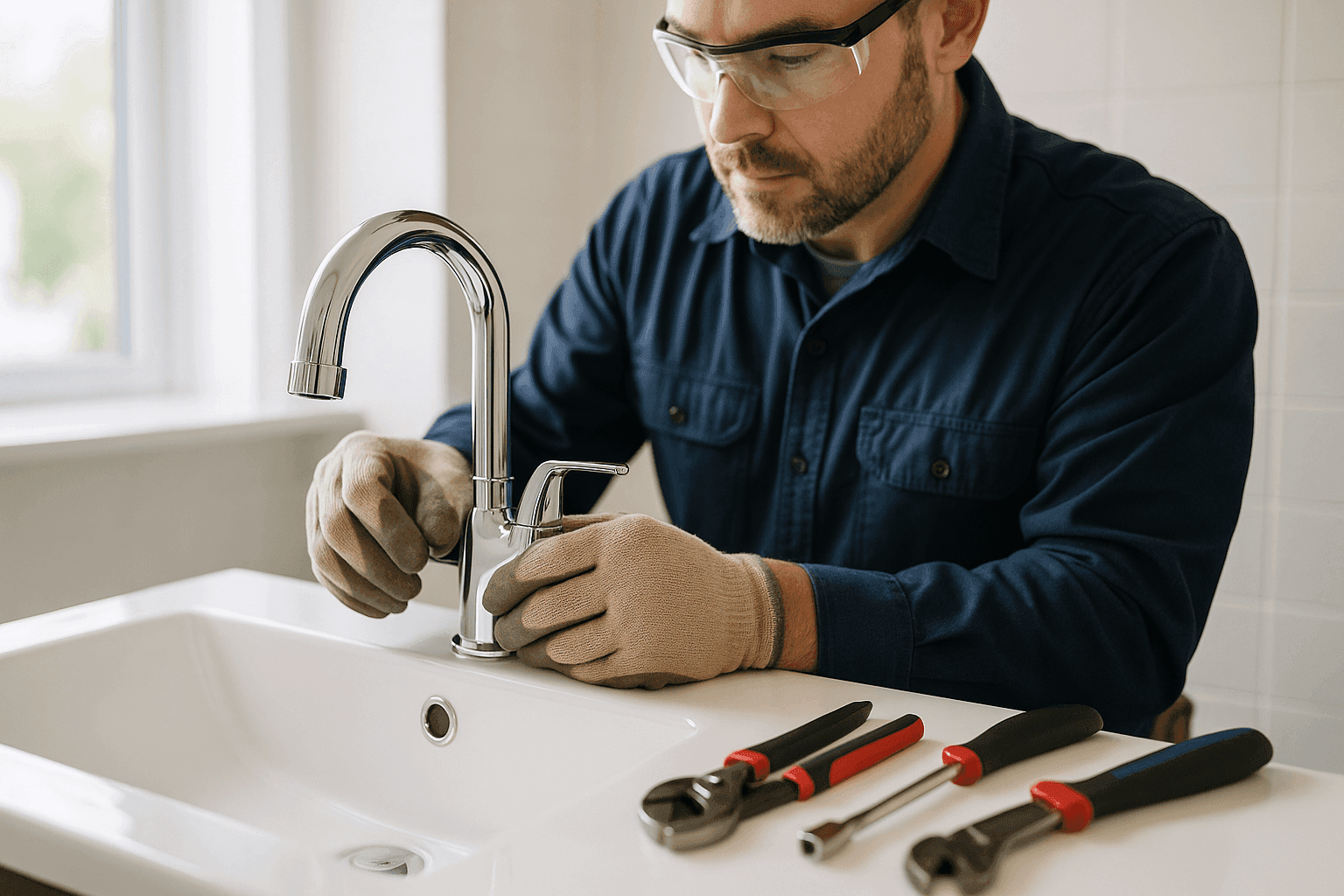
Every homeowner faces it at some point: the drip, the rattle, or the outgrown bathroom that needs a fresh look. New plumbing fixtures can transform a space and solve hidden problems—if you know what you’re getting into.
But how much does it really cost to install that sleek faucet, modern toilet, or dream shower? Let's break it down so you’re not left guessing—or worse, facing surprise costs when you need emergency plumbing.
Types of Plumbing Fixtures 🛁
When plumbers talk about “fixtures,” they mean the workhorses of your household water system. Each fixture brings its own style, quirks, and price tag.
- Sinks: Kitchen, bathroom, utility—each comes with unique installation challenges. Think: under-mount vs. drop-in, double-bowl vs. single.
- Faucets: Hands-free options, pull-down sprayers, classic knobs. Some are a breeze; others mean extra labor for custom fit.
- Toilets: Low-flow, dual-flush, wall-mounted. The range runs from basic to luxurious. Installation can be as simple as a swap or as complex as reworking pipes.
- Showers and Tubs: Standalone showers, tub-shower combos, rainfall systems. Plumbing here must meet strict safety codes for water pressure and drainage.
- Other Common Fixtures: Don’t forget garbage disposals, water heaters, and sump pumps. Each serves an essential function and requires proper installation for safety and longevity.
Average Installation Costs – What Affects Price?
No two homes—or installations—are exactly alike. Here’s why the price varies so much:
- Fixture Type & Quality: A basic chrome faucet costs less to install than a touchless model with multiple connections.
- Location: Swapping out a kitchen sink on the first floor? Easier than running new pipes for a bathroom in the basement.
- Labor Rates: Plumbers’ hourly rates fluctuate by region. Urban areas often mean higher rates; rural areas can be less—unless the plumber has to travel far.
- Code Requirements: Local building codes may require upgrades (like backflow prevention) or permits, adding to the bill.
- Existing Plumbing Condition: If your pipes are older or damaged, repairs or updates may be needed before installation.
- Emergency Plumbing Calls: After-hours or urgent needs (like a leaking toilet at midnight) usually cost more. Emergency plumbing services are always available, but prepare for higher fees.
Estimated Ranges (parts & labor combined):
- Faucet: $150–$400
- Toilet: $250–$550
- Sink: $200–$500
- Shower/Tub: $800–$3,000+
- Garbage Disposal: $150–$350
- Water Heater: $800–$2,500
Remember: These are rough ranges. Complexities like tight spaces, outdated pipes, or specialty fixtures push costs up.
DIY vs. Professional Installation – Pros, Cons, and Real Risks 🧰
It’s tempting to roll up your sleeves and handle fixture installation yourself—especially with so many video tutorials out there. But is it wise?
DIY Installation
Pros:
- Save on labor costs.
- Immediate satisfaction of a job done.
Cons:
- Risk of leaks, water damage, and code violations.
- Some warranties require professional installation.
- Mistakes can turn a simple job into an emergency.
Professional Installation
Pros:
- Work is done to code—protecting your home and family.
- Pros spot potential issues (like hidden leaks or failing pipes) before they become disasters.
- Certified installation may include a warranty on both labor and parts.
Cons:
- Higher upfront cost.
- Scheduling required (though emergency plumbing is always available for urgent fixes).
Real Risk: A dripping faucet is annoying. A poorly installed toilet or shower can cause thousands in water damage. That’s why jobs like repiping, water heater installation, or Sump Pump Repair near you are best left to trained plumbers.
How to Get Accurate Quotes – What to Ask and Expect 📞
Getting a fair, transparent quote doesn’t have to be a guessing game. Here’s what to ask:
- Is this a flat rate or hourly charge? Some jobs make sense as flat rates; others (like complex fixture installations) may run by the hour.
- Does the quote include parts and labor? Make sure you’re comparing apples to apples.
- Are permits or inspections needed? In many areas, code requires permits for new fixture installations.
- Will you inspect my existing plumbing? A reputable plumber always checks for underlying issues.
- What’s included in your warranty? Ask about coverage for both parts and workmanship.
Tip: Get quotes in writing. Don’t be afraid to ask for details or clarification.
Transparent Pricing, Certified Installations, and Warranty Info
At Exe Plumbing, we believe in clear, upfront pricing. Our certified plumbers follow all local codes and manufacturer instructions—no shortcuts. Most installations come with a manufacturer’s warranty, plus coverage on our workmanship.
We also keep up with the latest safety guidelines from organizations like the International Association of Plumbing and Mechanical Officials (IAPMO) and your local building department.
Regional Labor Rates and Code Requirements
Plumbing costs aren’t the same everywhere. Labor rates, permit fees, and even fixture prices can shift based on:
- Local wage standards: Urban areas, especially major cities, tend to run higher.
- Permit costs: Some municipalities require inspection and approval before and after installation.
- Regional codes: For example, earthquake-prone areas may have stricter requirements for water heater bracing. Cold climates often require insulated pipes.
Pro tip: Always hire a plumber familiar with local codes. It’s the difference between a smooth inspection and costly do-overs.
Budgeting for Quality Installation
When planning your upgrade, remember: the lowest price isn’t always the best deal. Quality installation means fewer headaches, longer fixture life, and peace of mind.
Budget tips:
- Save for both fixture and labor costs.
- Plan for unexpected repairs (especially in older homes).
- Don’t skip permits or inspections—they protect your investment.
If you’re facing water pressure issues, frequent leaks, or want to upgrade for efficiency, investing in skilled installation pays off in the long run.
Frequently Asked Questions
How long does it take to install a new fixture?
Most simple fixtures (like faucets or toilets) can be installed in 1–3 hours. More complex jobs (like shower systems or water heaters) may take a full day or longer, particularly if new pipes are needed.
Do I need to be home during installation?
It’s helpful—especially if questions come up—but not always required. Ask your plumber about their process and any access they’ll need.
What if my old pipes need repair?
If your existing plumbing is corroded, damaged, or out of code, repairs or upgrades might be necessary before installing new fixtures. Your plumber should explain these needs—and costs—before work begins.
Is it ever an emergency?
Absolutely. Leaking or broken fixtures, water shut-offs that won’t hold, or failed sump pumps can quickly become emergencies. In these cases, emergency plumbing services are essential to prevent damage.
Seasonal and Local Considerations
- Winter: Frozen pipes can complicate installations. Schedule ahead.
- Spring: Increased rainfall can stress sump pumps and drains—don’t wait for a backup.
- Local events: City construction or water shutoffs may impact timing. Check with your municipality or plumber.
Final Thoughts
Upgrading or replacing plumbing fixtures is more than just a cosmetic change. It’s an investment in your home’s comfort, safety, and value. With the right planning, clear communication, and a little help from the pros, you can enjoy reliable, code-compliant fixtures for years to come.
Call Exe Plumbing now — or reach us anytime at 877-775-9948 .