Pipe Installation for New Homes & Remodels: What Homeowners Need to Know
Building a new home? Maybe you're finally tackling that kitchen remodel or adding a bathroom for your growing family. Plumbing is the hidden backbone of every comfort you count on—hot showers, clean dishes, safe drinking water. But when pipes aren’t installed right, problems can bubble up fast.
At Exe Plumbing, we see what happens when shortcuts are taken. From surprise leaks behind fresh drywall to pressure drops that turn showers into trickles, we’ve rescued many homes from plumbing headaches. Here’s how to get it right from the start.
When Is Pipe Installation Needed? 🏗️
Not every project calls for full pipe replacement, but knowing when it does can save you time, money, and future repairs. Here’s where new pipe installation makes sense:
- New Home Builds: Every wall, floor, and ceiling is a blank canvas. All plumbing must be installed from scratch.
- Home Additions: Adding a new bathroom, laundry room, or kitchen? You’ll need new supply and drain lines tied into your existing system.
- Major Remodels: If you’re moving sinks, toilets, or showers, it’s often smarter to install new pipes than to patch old lines. Old pipes may not meet current codes or support modern fixtures.
- Replacing Problematic Pipes: Chronic leaks, corrosion, or outdated materials (like lead or galvanized steel) are a signal it’s time for a fresh start.
Pipe installation isn’t just about connecting point A to point B. It’s about future-proofing your home so you can relax, knowing water and waste flow exactly where they’re supposed to—no surprises.
Choosing Pipe Materials: PEX, Copper, PVC — Pros & Cons 🔧
The type of pipe you choose shapes your home’s plumbing for decades. There’s no one-size-fits-all answer, but here’s a breakdown to help you weigh your options:
PEX (Cross-linked Polyethylene)
- Pros: Flexible, easy to install around corners, fewer joints (less chance for leaks), resistant to scale and chlorine. Often faster to install—saving on labor costs.
- Cons: Sensitive to UV light (can’t be used outdoors), may not be allowed everywhere, and can be damaged by rodents if not protected.
Copper
- Pros: Long lifespan, naturally resists bacteria, handles heat well, and boosts resale value. Time-tested and trusted.
- Cons: More expensive. Can corrode if water is acidic. Installation takes longer and requires skilled soldering.
PVC (Polyvinyl Chloride)
- Pros: Common for drain, waste, and vent lines. Lightweight, affordable, immune to rust or corrosion.
- Cons: Not for hot water supply. Brittle if exposed to freezing or physical impact. Some local codes limit where it can be used.
Tip: Ask your plumber about codes in your area. The International Plumbing Code (IPC) and Uniform Plumbing Code (UPC) set broad rules, but local building departments may have stricter requirements—especially in older neighborhoods or unique climates.
Installation Process Overview: Timeline, Inspections, Code Compliance
Wondering what to expect? Here’s a walk-through of a typical pipe installation:
- Planning & Permits: A good plan means fewer surprises. Pros will check blueprints, size the system, and pull any needed permits.
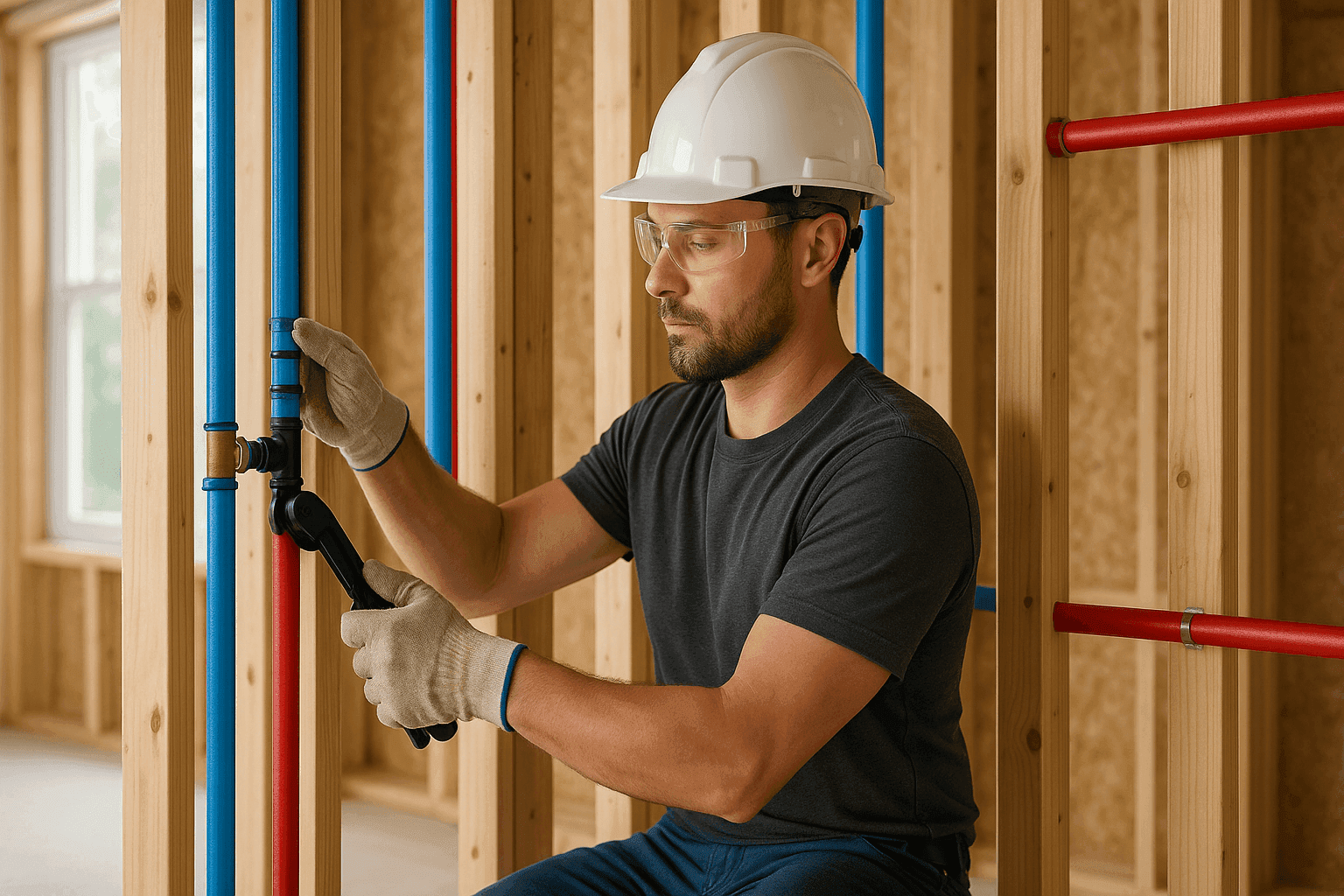
- Rough-In: Before walls go up, pipes are run through floors and studs. Water supply, drain lines, and venting are all mapped out.
- Inspection: Local inspectors check work for safety and code compliance—no cutting corners allowed.
- Pressure Testing: All new pipes are pressurized or filled with water to check for leaks.
- Finish Work: Once walls are closed, fixtures (sinks, toilets, showers) are connected. Another round of checks ensures everything is sealed tight.
- Final Inspection: Local officials give the green light before you use your new system.
Timeline: For a typical new home, expect pipe installation to take 1–3 weeks, depending on size and complexity. Remodels or additions may be faster but can run longer if surprises are found behind walls.
Preventing Common Issues: Sizing, Water Pressure, Freeze Protection 🥶
A plumbing system is like a set of veins—each pipe must be the right size for its job, or the whole system struggles.
- Sizing Matters: Undersized pipes mean weak showers, slow-filling tubs, and noisy water lines. Oversized pipes waste money and space.
- Water Pressure: Too high, and you risk leaks or burst pipes. Too low, and everyday tasks become a headache. Pressure regulators and proper pipe sizing help balance the flow.
- Freeze Protection: In cold climates, pipes in unheated spaces (like basements or crawl spaces) need insulation. Otherwise, you risk burst pipes—and costly water damage—when temperatures drop.
- Secure Mounting: Pipes should be anchored to avoid noisy banging (water hammer) and reduce wear on joints.
Tip: Schedule a plumbing inspection before closing up walls, especially in older homes. Early fixes are far cheaper than emergency plumbing calls later.
Why Hiring Licensed, Experienced Pros Matters
Pipe installation isn’t a job for guesswork. A licensed plumber brings more than tools—they bring knowledge of the latest codes, experience with regional challenges (like hard water or shifting soil), and an eye for details that DIY often misses.
With Exe Plumbing, you can expect:
- Installations that pass inspection the first time.
- Guidance on energy-efficient and water-saving upgrades.
- A clean, respectful worksite—no mess left behind.
Regional Codes & Climate Considerations 🌦️
Every region has its quirks:
- Codes: Some cities require copper in certain areas, others allow PEX throughout. Drain sizes, venting, and cleanout locations can all vary.
- Climate: In the North, freeze protection is critical (think insulation, heat tape, or burying pipes below the frost line). In humid areas, mold prevention and proper venting are key.
- Water Quality: Hard or acidic water can shorten pipe life. Local water reports (from your city or the EPA) can guide material choices and the need for water filtration systems.
Always ask your plumber about local best practices—they’ll know what works (and what doesn’t) in your area.
Practical Tips for Homeowners
- Keep blueprints or photos of pipe runs before walls are closed. These are invaluable for future repairs or upgrades.
- Ask for a pressure test report. It’s proof your system is leak-free.
- Label shut-off valves—you’ll thank yourself during a leak or emergency.
Frequently Asked Questions
How long does pipe installation take in a new house?
Most new builds take 1–3 weeks for plumbing rough-in, depending on size and complexity. Remodels may be faster but can take longer if unexpected issues are found.
Can I mix PEX and copper pipes?
Yes, but special fittings are needed for the transition. Your plumber can advise on compatibility and code requirements.
What’s the most common mistake homeowners make during a remodel?
Not planning for future needs—like skipping a shut-off valve or under-sizing a pipe for a new shower. Early planning with a licensed plumber avoids these headaches.
When is pipe installation an emergency?
Burst pipes, severe leaks, or sewage backups require immediate attention. Emergency plumbing services (like Exe Plumbing) can respond quickly to prevent water damage.
Local & Seasonal Considerations
- Winterizing: In colder climates, always insulate pipes in unheated spaces to guard against freezing.
- Renovation Season: Spring and summer are popular for remodels—plan ahead, as plumbers book up fast.
- Older Homes: Historic homes may have outdated or unsafe plumbing. Full replacement may be needed to meet modern code and safety standards.
Ready to Start Your Project?
Pipe installation is a big step in any home project—but when you work with licensed, experienced professionals, you’re building peace of mind that lasts for years. Whether you need Sump Pump Repair near you, reliable pipe installation, or emergency plumbing, Exe Plumbing is here to help.
Call Exe Plumbing now — or reach us anytime at 877-775-9948 .