Complete Kitchen Plumbing Checklist: Maintenance & Common Repairs
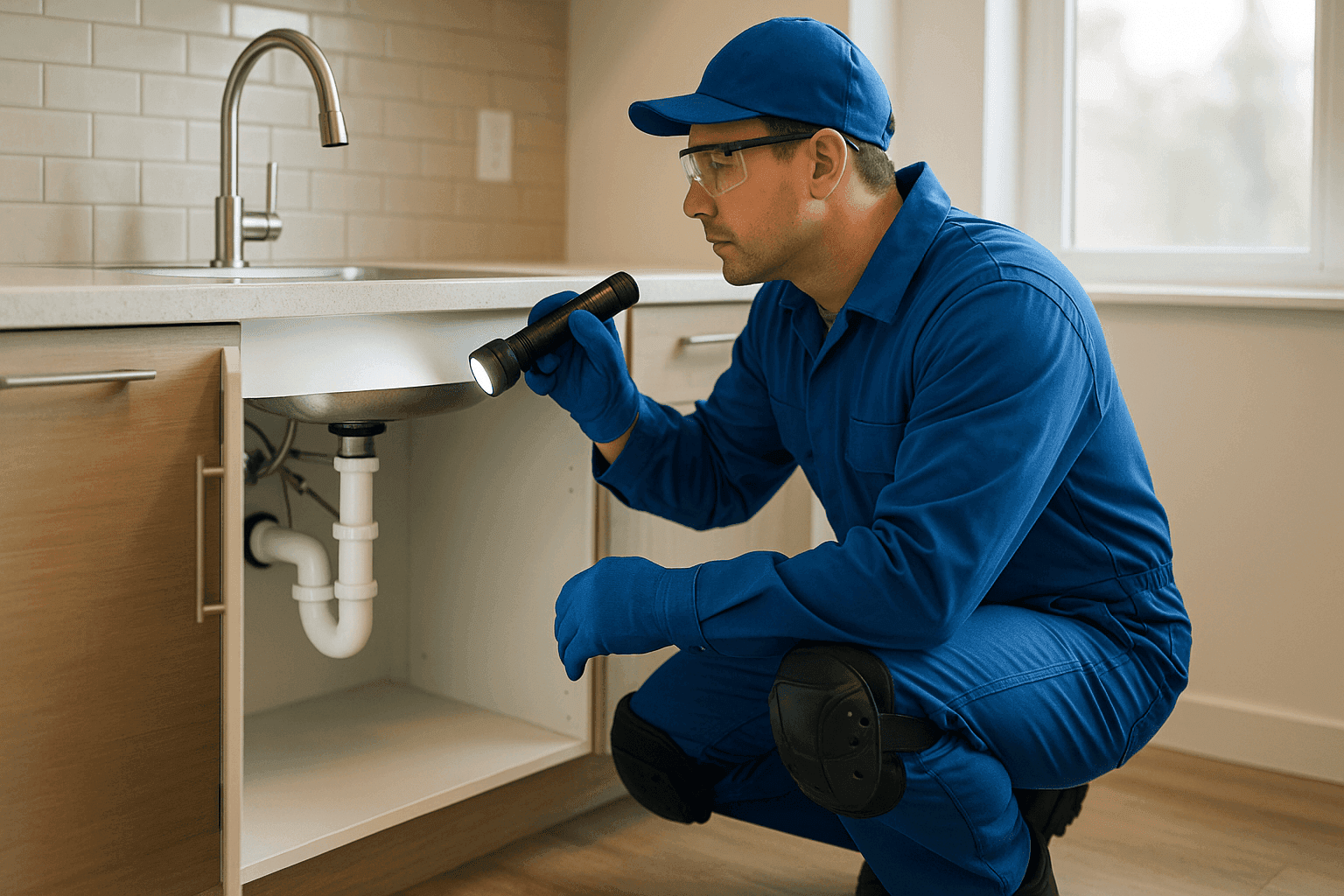
Your kitchen is the beating heart of your home. Meals, memories, and messes all start here. But when plumbing problems bubble up, the disruption can feel like a leaky faucet that just won’t quit—drip, drip, drip.
At Exe Plumbing, we know kitchen plumbing issues never wait for a convenient time. Our licensed team handles emergencies, but we’d rather help you prevent them. Here’s a practical, easy-to-follow checklist tailored for homeowners—straight from our licensed plumbers.
Kitchen Plumbing Maintenance Tasks – Faucets, Drains, Garbage Disposal, Water Lines 🛠️
Routine kitchen plumbing maintenance is like brushing your teeth—ignore it, and the problems compound.
1. Faucets
- Check for Drips: Listen for slow drips, even tiny ones. A leaky faucet can waste gallons of water and hike your utility bill. The EPA reports average leaks in US homes waste nearly 10,000 gallons a year—enough to fill a backyard pool!
- Look for Rust or Corrosion: These are warning signs that seals or washers may be failing.
- Clean Aerators: Unscrew and flush out sediment every few months—especially in areas with hard water, like much of our region.
2. Drains
- Slow Drains: Pour a kettle of hot (not boiling) water down the drain weekly. Avoid chemical drain cleaners—they can eat pipes from the inside out.
- Odors: A musty smell from the sink? Clean the P-trap (the U-shaped pipe beneath) and check for food buildup.
3. Garbage Disposal
- Run Regularly: Even if you don’t use it much, run the disposal once a week with cold water and a few ice cubes to keep blades sharp.
- No Hard or Fibrous Foods: Avoid eggshells, coffee grounds, celery, and potato peels—they’ll jam the works.
- Reset Button: If it stalls, turn off the power, press the reset button underneath, and try again.
4. Water Lines
- Check Supply Lines: Inspect hoses under the sink for bulges, cracks, or moisture. Replace plastic lines with braided stainless steel for better durability.
- Look for Water Stains: Discoloration inside cabinets means slow leaks—catch them early, and you’ll avoid warped wood or mold.
Spotting Problems Early – Leaks, Clogs, Low Pressure 👀
Kitchen plumbing rarely fails all at once. It whispers first.
Warning Signs
- Leaks: Puddles, warped cabinet bases, or musty smells are the tip of the iceberg. Sometimes, leaks might only appear when the dishwasher or faucet is running.
- Clogs: If water backs up, gurgles, or drains slowly, the pipes might be choking on grease or debris.
- Low Water Pressure: Trickling faucets can mean sediment in the aerator, a partially closed valve, or even a hidden leak in the supply line.
What to Watch For
- Water Meter Trick: Turn off all water in the house. If the meter still spins, you’ve got a hidden leak.
- Odd Noises: Gurgling, banging, or whistling pipes are like the kitchen’s way of waving a red flag.
DIY Fixes vs. When to Call a Pro – Safety, Warranty, and Complexity 🧰
There’s pride in rolling up your sleeves. But not every kitchen plumbing problem is a quick fix.
When DIY Makes Sense
- Unclogging a Simple Drain: Plunge gently—don’t use excessive force. A drain snake can help clear minor blockages.
- Replacing Faucet Washers: Hand tools and a little patience can fix a slow drip.
- Cleaning Aerators: Simple, no-pressure job.
When to Call Exe Plumbing
- Persistent Leaks: Water under pressure can cause hidden damage fast.
- Major Clogs: If plunging or snaking fails, forcing the issue can burst pipes.
- Water Heater Issues: These involve electricity, gas, and pressure—leave it to the pros.
- Pipe Repairs or Replacements: DIY attempts may void home warranties or violate local codes. (The International Plumbing Code and local ordinances set clear guidelines.)
- Gas Line Work: Only licensed technicians should handle gas safety checks or installations.
Remember, emergency plumbing issues wait for no one. If you’re unsure, it’s always safer to call a licensed plumber.
Seasonal Checks – Preparing for Holidays and Winter ❄️
The kitchen sees its heaviest use during holidays and winter. A little prep now saves a lot of hassle later.
Before the Holidays
- Check for Slow Drains: Hosting guests? Clear any sluggish sinks in advance.
- Test Garbage Disposal: Don’t let it quit in the middle of dinner prep.
- Inspect Dishwasher Hoses: Look for bulges or leaks—replace if needed.
Winterizing Your Kitchen Plumbing
- Insulate Exposed Pipes: Under sinks or against exterior walls, insulation prevents freezing and burst pipes.
- Let Faucets Drip (in deep freezes): A slow trickle keeps water moving, reducing freeze risk.
- Know Your Main Shutoff: In case of emergency, everyone in the house should know how to turn off the water supply.
Hard Water Considerations
In regions with hard water—where minerals build up quickly—add descaling to your seasonal checklist. Scale can clog aerators, valves, and appliances, cutting their lifespan short.
The Kitchen Plumbing Maintenance Checklist—By Licensed Plumbers ✅
- Inspect under-sink pipes monthly for leaks or moisture.
- Test faucet handles and sprayers for smooth operation.
- Clean faucet aerators quarterly.
- Pour hot water down drains weekly.
- Check garbage disposal for odors or jams.
- Run cold water during and after using the disposal.
- Replace plastic supply lines with stainless steel.
- Check water pressure—should be steady, not sputtering.
- Test GFCI outlets (if near the sink) for safety.
- Look for signs of mold or water stains inside cabinets.
- Know where your main shutoff is located.
- Schedule professional leak detection annually.
Costs & Time Factors—What to Expect
Kitchen plumbing fixes range from a five-minute aerator clean to a full day for major repiping. Most simple repairs—like replacing a washer, clearing a clog, or fixing a leaky supply line—can be handled in under an hour by a pro.
- Minor Fixes: 15–60 minutes.
- Moderate Repairs: 1–3 hours (e.g., replacing disposal or pipes under sink).
- Major Projects: Half-day or more (e.g., repiping, water heater work).
Remember, delays can multiply costs. Water damage repairs add up quickly—think of it like leaving your freezer door open overnight. The longer it runs, the bigger the mess.
When It’s an Emergency
Sometimes, the kitchen plumbing problem can’t wait.
Call immediately if:
- Water is flooding cabinets or floors.
- You smell gas near appliances (leave the house first).
- There’s a sudden drop in water pressure throughout your home.
- You hear hissing or see bulging pipes.
Exe Plumbing’s emergency plumbing team is on call 24/7—ready to respond when every minute counts.
Kitchen Plumbing FAQ
How often should I check for leaks under my sink?
Monthly is ideal. Even a few drops can lead to bigger problems if left unchecked.
Can I use chemical drain cleaners for clogs?
It’s better to avoid them. Chemicals can corrode pipes and harm the environment. Use a plunger or a drain snake instead.
What’s the best way to prevent garbage disposal jams?
Run cold water before, during, and after use. Avoid fibrous foods, bones, and grease. Clean with ice cubes and a bit of citrus peel for freshness.
Why does my faucet sputter or spray unevenly?
Sediment in the aerator is likely. Remove and rinse it—hard water areas may need more frequent cleaning.
Local and Seasonal Considerations
Hard Water Woes
Many local homes deal with hard water. Mineral deposits sneak into every crevice—faucets, valves, even dishwashers. Consider a water filtration system or regular descaling. The National Sanitation Foundation (NSF) certifies systems that reduce scale and improve appliance lifespan.
Appliance Types
Older homes often have copper or galvanized pipes—these may need more frequent checks. Modern kitchens might use PEX or PVC, which are more resilient but still need routine inspection.
Regional Weather
If your kitchen is on an outside wall, pipes are more likely to freeze. Insulation and seasonal checks are critical—don’t wait for the first cold snap.
You’ve Got This—But We’re Here When You Need Us
Life moves fast. Plumbing problems move even faster. Keep this checklist handy, and you’ll catch most issues before they spiral. If you hit a snag or see water where it shouldn’t be, don’t hesitate.
Call Exe Plumbing now — or reach us anytime at 877-775-9948 .