Gas Line Installation for Homes: Safety, Cost & What to Expect
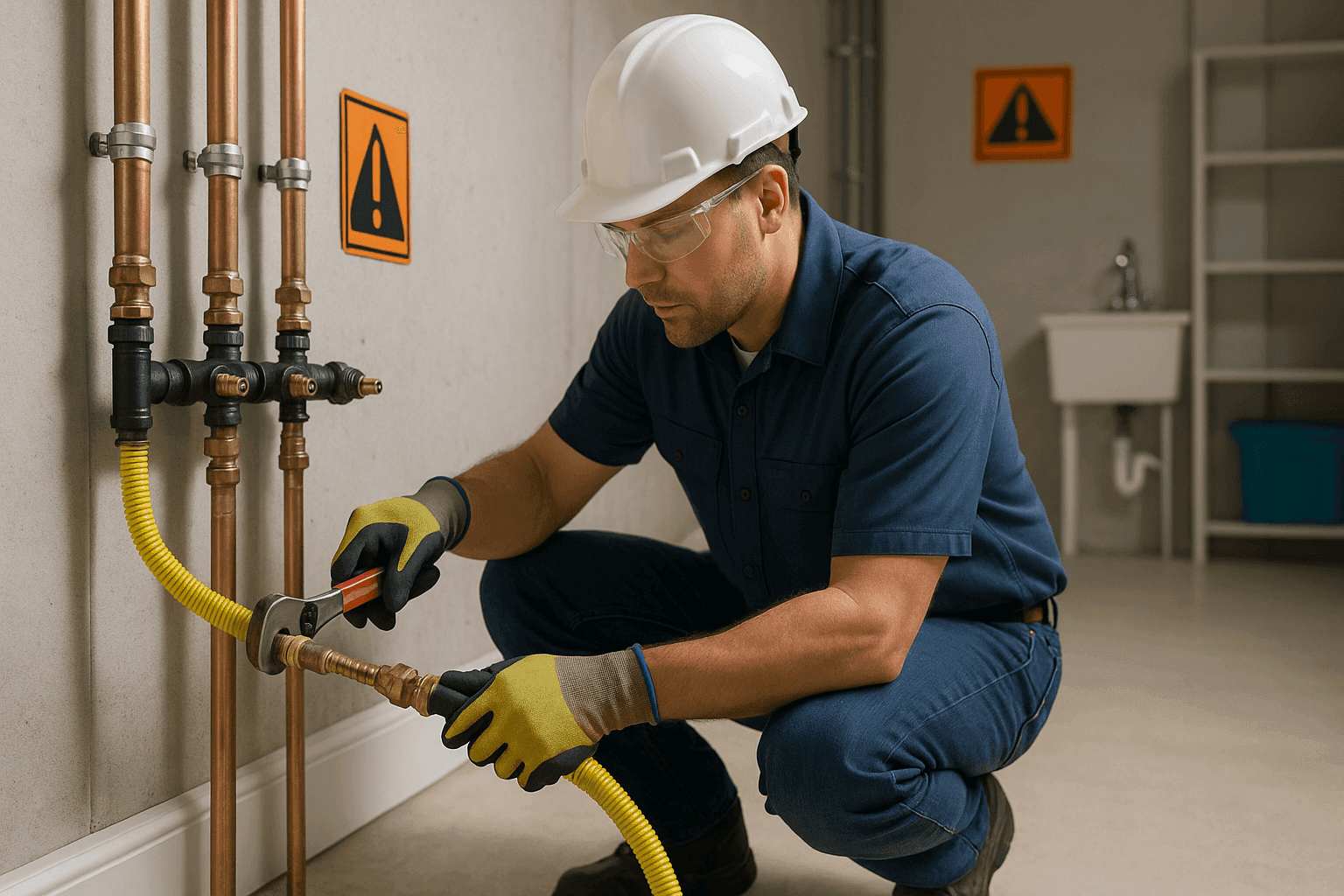
Gas lines keep homes warm, cook our meals, and run hot water for showers. But getting one installed isn’t as simple as plugging in a lamp. It’s a job for seasoned hands—like the team at Exe Plumbing. We know how important it is to keep your family safe, your costs in check, and your project running smoothly.
Thinking about adding a new gas line? Maybe you’re remodeling your kitchen. Or your water heater needs an upgrade. Let’s walk through the essentials, so you know exactly what’s coming—before, during, and after installation.
Reasons for Installing a Gas Line
There’s more than one reason a homeowner might need a new gas line. Each has its own rhythm and requirements.
- Upgrading appliances: Swapping out an electric stove for a gas model? Upgrading to a tankless water heater or a high-efficiency boiler? Each new appliance needs its own connection.
- Adding value: Gas fireplaces, outdoor kitchens, and heated garages all boost comfort and resale value.
- New construction/remodeling: Building from scratch or gutting the old? A well-planned gas line layout saves headaches, time, and money down the road.
- Backups and generators: When storms knock out power, gas-powered generators keep homes running.
- Regional fuel sources: In many areas, natural gas is the most reliable and affordable energy source—especially when compared to electric or oil.
Before breaking ground, it’s worth thinking two steps ahead. Gas lines are a backbone for many home systems. Planning now can prevent costly changes later.
The Gas Line Installation Process 🛠️
Installing a gas line is more like weaving a basket than snapping Lego blocks together. Each step matters, and nothing is left to chance.
1. Permitting & Local Codes
Before any pipe is cut, permits must be pulled. Every region—city, county, or township—has its own set of codes. These are not just formalities. They exist to keep families, homes, and neighborhoods safe. Exe Plumbing works closely with inspectors and stays updated on the latest local and national fuel gas codes (like those from the International Code Council and your state’s regulatory agencies).
2. Materials Matter
Not all pipes are created equal. Depending on your home and local rules, gas lines may be:
- Black iron (classic, sturdy, common)
- Corrugated stainless steel tubing (CSST) for flexibility around obstacles
- Polyethylene for underground lines
We’ll help you choose the right material for your needs, balancing safety, durability, and cost.
3. Installation Timeline
Most residential jobs take anywhere from a half-day to a few days, depending on:
- The distance from the main supply to your new appliance
- How many bends, turns, or walls the line must cross
- Whether existing lines need upgrades or rerouting
After installation, everything is pressure-tested, inspected, and documented before the gas is turned on.
Safety Considerations
Gas is safe—when handled with respect. But it isn’t something to gamble with. Here’s what we do, every time:
- Code compliance: Every fitting, joint, and connection follows the rules. No shortcuts.
- Pressure and leak testing: Before the system is activated, we use specialized gauges to check for leaks.
- Ventilation: Appliances must vent safely to the outside. Proper airflow prevents dangerous buildup of carbon monoxide.
- Inspection: A certified inspector (sometimes from your city, sometimes third-party) reviews the work before sign-off.
- Documentation: We keep records, so if you need proof for insurance or resale, it’s ready.
Want to double-check our work? Refer to the National Fuel Gas Code (NFPA 54) for the core guidelines that shape every project.
Cost Factors: What Affects Your Bill? 💸
It’s natural to ask, “How much will this cost?” While we can’t give exact figures here, these are the biggest influences:
- Length of the line: Longer runs require more pipe and labor.
- Type of pipe: Black iron is generally less expensive than CSST or underground polyethylene.
- Labor: Tricky installs (think: finished basements, tight crawlspaces) take more time.
- Permits and inspections: Every jurisdiction has its own fee structure.
- Number of connections: Every added appliance or branch in the line adds complexity.
Remember, cutting corners on gas work never saves money in the long run. Safety and quality come first.
What to Expect: Before, During, and After Installation
Before
- Walk-through with your installer to plan the route and discuss appliance needs.
- Pulling permits with your local authority.
- Temporary shut-off of gas service (in some cases).
During
- Workers may cut drywall or dig (for underground lines).
- Pipes are fitted, secured, and labeled.
- System is pressurized and tested for leaks.
After
- Final inspection by a certified professional.
- Patching of any walls or landscaping disturbed.
- Safe restoration of gas service to your home.
Exe Plumbing’s team is licensed, insured, and background-checked—so you know exactly who is working in your home.
Quick Safety Checklist for Homeowners ✅
- Smell rotten eggs? Leave your home and call emergency plumbing services.
- Never attempt to repair or extend a gas line yourself.
- Check that all new appliances are approved for your region’s gas supply.
- Keep the area around your gas meter clear.
- Schedule regular gas safety checks, especially after renovations.
Regional Codes and Fuel Sources
Not all homes are hooked up the same way. In some neighborhoods, natural gas is piped in from municipal mains. Others rely on propane tanks. Each fuel type has slightly different rules for installation, venting, and safety.
Local codes might dictate:
- How deep underground pipes must be buried (often 18–24 inches)
- What type of material is allowed
- How much clearance is needed around meters and appliances
Exe Plumbing stays current with every update. We know the ins and outs of state and municipal codes, so you don’t have to spend your evenings reading city ordinances.
DIY vs. Professional Installation
Gas work is not like hanging a picture or fixing a leaky faucet. Mistakes can be catastrophic. Even small leaks can go unnoticed until it’s too late.
- DIY risks: Voiding home insurance, failing inspection, creating dangerous leaks.
- Professional benefits: Work is code-compliant, inspected, and safe.
If you ever wonder, “Should I call for emergency plumbing or can I fix this myself?”—always err on the side of caution.
How Pros Handle Your Installation
When Exe Plumbing comes to your door, here’s what you can expect:
- Assessment: We walk through the job, listen to your goals, and map out the best route for your new line.
- Permitting: We handle the paperwork, so you don’t have to.
- Installation: Only licensed, background-checked professionals handle your gas lines.
- Testing: Specialized pressure tests and leak detection ensure everything is airtight.
- Inspection: We arrange for a certified inspector to sign off before turning on the gas.
Prevention & Maintenance Tips
Like the brakes on your car, gas lines need attention now and then.
- Schedule annual gas safety checks—especially if your home is older or you’ve made renovations.
- Install carbon monoxide detectors near gas appliances.
- If you notice rust, corrosion, or a sulfur smell, call for help immediately.
- Don’t ignore small changes—like a stove taking longer to light. These can be early signs of trouble.
If you’re searching for “Sump Pump Repair near you,” keep in mind: Exe Plumbing also handles emergency plumbing, leak repair, and all your critical home systems.
Costs & Timeline: What to Budget For
Most straightforward installations take one to three days, depending on complexity. Costs can range widely, influenced by:
- The length of pipe needed
- Type of piping material (black iron, CSST, or polyethylene)
- Number of appliances being connected
- Local permit and inspection fees
- Accessibility (finished spaces vs. exposed basements)
Your installer will walk you through what’s needed and give you a breakdown before work begins.
When It’s an Emergency 🚨
Some situations can’t wait:
- You smell gas (like rotten eggs) inside your home
- Hissing sounds near a gas line or appliance
- Sudden loss of heat in winter
- Gas appliances that won’t light or stay on
In these cases, leave your home immediately and call your gas utility or emergency plumbing services. Never try to fix or diagnose a gas leak yourself.
Frequently Asked Questions
Q: How do I know if my gas line needs to be replaced?
A: Signs include frequent leaks, visible corrosion, or if your system can’t support new appliances. If you’re unsure, have a licensed plumber from Exe Plumbing inspect your lines.
Q: Are there special rules for underground gas lines?
A: Yes. Depth, type of pipe, and marking requirements are all dictated by local and national codes. Always call before you dig and have a professional handle underground work.
Q: Can I use flexible hose for permanent installations?
A: Flex connectors are only for short runs to appliances, not for entire lines. Long runs require approved piping like black iron or CSST, professionally installed.
Q: What should I do if I suspect a leak?
A: Leave the area, avoid turning on any lights or electronics, and call emergency services or your gas company. Safety always comes first.
Local and Seasonal Considerations
In colder climates, frozen ground can complicate digging for new lines. In regions with shifting soil, flexible piping may be required. Local gas composition (natural gas vs. propane) also affects installation details and appliance compatibility.
No matter where you live, Exe Plumbing brings local knowledge to every job—we know what works for your neighborhood and your season.
Gas line installation is about more than connecting pipes. It’s about keeping your home safe, your family comfortable, and your investment protected—today and for years to come.
Call Exe Plumbing now — or reach us anytime at 877-775-9948 .