Garbage Disposal Not Working? Troubleshooting & Repair Guide
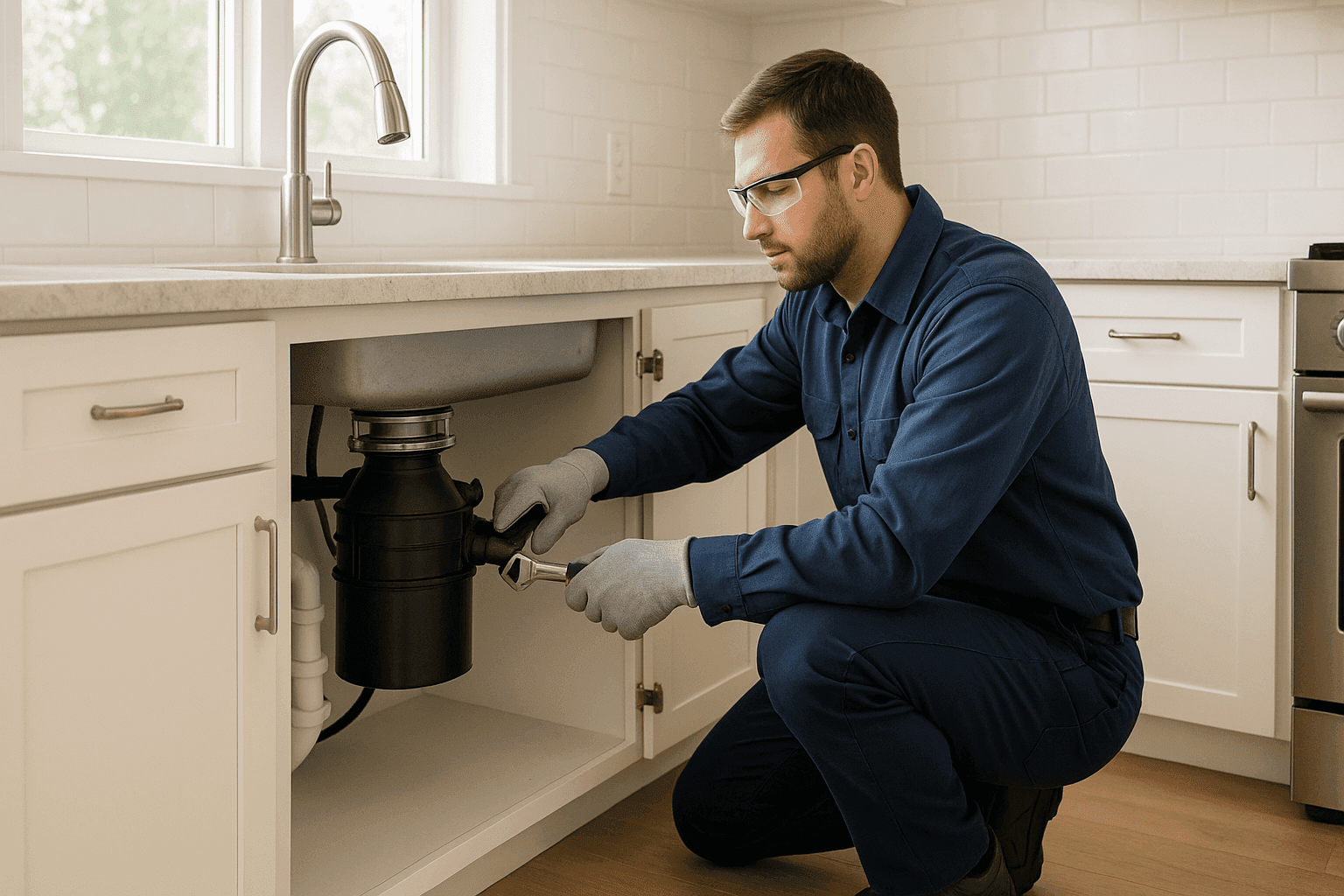
Having your garbage disposal go silent or start humming at the worst possible time? You’re not alone. At Exe Plumbing, we know a sudden kitchen clog can throw off your whole day. Whether you’re prepping for a family dinner or just cleaning up after breakfast, a non-working disposal is more than an inconvenience—it can quickly turn into a messy, smelly headache.
We’ve helped hundreds of homeowners get their kitchens back in working order, day or night. In this guide, you’ll find simple steps to troubleshoot your disposal safely, plus clear advice on when it’s time to call for emergency plumbing help.
Common Issues with Garbage Disposals
Garbage disposals are tough, but not invincible. These are the most common problems we see in homes:
- Jams: The blades get stuck, often by fibrous food or foreign objects. You flip the switch, and nothing moves—or you hear a low hum, but no grinding.
- Clogs: Food waste builds up in the drain pipe, causing water to back up. Sometimes it’s coffee grounds, potato peels, or even grease.
- Humming but Not Spinning: That humming noise means the motor is trying, but the blades won’t turn.
- Leaks: Water under the sink or dripping from the unit could signal loose seals, cracked housings, or worn plumbing connections.
When your disposal acts up, it’s a bit like a traffic jam under the sink—everything grinds to a halt.
Quick Safety Checklist 🛑
Before you reach for tools or poke around under the sink, keep these safety rules in mind:
- Always switch off the power. Unplug the disposal or turn off its breaker at the panel.
- Never put your hand inside the disposal. Even a stuck blade can snap free.
- Use a flashlight to look, not your fingers.
- Keep water away from any exposed wires or outlets. Wet conditions and electricity are a dangerous mix.
- If you smell gas, leave the area and call for help. (Garbage disposals and gas lines sometimes share under-sink space.)
Following these steps helps keep you safe. The U.S. Consumer Product Safety Commission (CPSC) and local building codes both stress the importance of disconnecting power before repairs.
DIY Troubleshooting Tips
Hit the Reset Button
Many disposals have a red or black reset button on the bottom. If nothing happens when you flip the switch, try this:
- Make sure power is off.
- Press the reset button until it clicks.
- Restore power and try again.
Simple, but sometimes it’s all you need.
Free a Jam (Safely)
If you hear humming but the blades don’t move:
- Turn off power. Double-check.
- Use a wooden spoon handle or a hex wrench. Insert into the bottom slot and gently wiggle back and forth.
- Remove visible obstructions. Use tongs or pliers—never bare hands.
If it frees up, run cold water and test. Still stuck? Skip to the next step.
Clean the Disposal
- Pour in a mix of ice cubes and coarse salt. Run cold water and briefly turn on the disposal. This can clear stuck debris.
- Avoid chemical drain cleaners—they can corrode parts and aren’t safe for disposals.
What Not to Do
- Don’t use your hand to clear jams.
- Don’t force the disposal on if it’s humming loudly.
- Don’t pour fats, oils, eggshells, or coffee grounds down the drain.
Taking shortcuts here can lead to bigger plumbing problems—and sometimes injury.
When to Call a Pro
Some problems need more than a quick fix. Call Exe Plumbing or emergency plumbing near you if:
- The disposal trips the breaker repeatedly.
- There’s a burning smell, visible smoke, or sparks.
- Leaks persist even after tightening connections.
- You suspect electrical issues—don’t risk it.
- The unit is old or keeps jamming no matter what you try.
Garbage disposals combine water, electricity, and sharp metal. If you’re unsure, it’s better to call a professional than to gamble with your safety.
What Pros Do On Arrival
When an Exe Plumbing technician arrives, here’s what happens:
- Assess the whole setup. We check the disposal, power, and nearby plumbing for issues.
- Diagnose the root problem. Is it a jam, clog, leak, or mechanical failure?
- Use specialized tools. Sometimes it takes more than a hex key or pliers.
- Repair or replace parts. We use parts that meet local codes and manufacturer specs.
- Test for leaks and proper drainage. We don’t leave until your kitchen is safe and dry.
We’re certified for electrical and plumbing work—so you get peace of mind with every repair.
Preventing Future Problems 🌱
A little care goes a long way. Follow these tips to keep your disposal running smoothly:
- Run cold water before and after use. This helps flush waste all the way through.
- Feed food slowly. Don’t overload the disposal.
- Break up big scraps. Cut large items into smaller pieces first.
- Avoid hard, fibrous, or starchy foods. No bones, celery, corn husks, or potato peels.
- Clean regularly. Drop in ice cubes and run the disposal with cold water to clear debris.
In regions where food waste is used for compost or animal feed, consider scraping plates into compost bins before rinsing. This reduces stress on your plumbing and is better for the environment.
Costs & Time Factors
Wondering what to expect? Here’s how it usually breaks down:
- DIY fixes: Many jams and simple clogs can be cleared in 10–15 minutes.
- Professional repairs: Most jobs take 30–60 minutes, depending on the issue.
- Replacement: Installing a new disposal can take up to 2 hours.
Costs depend on the nature of the repair, the age of your unit, and any parts needed. We’ll always explain your options and give honest advice.
When It’s an Emergency
Some disposal problems can’t wait:
- Water leaking fast under the sink: This can cause cabinet damage or even short out nearby outlets.
- Electrical issues: Breakers tripping, sparking, or burning smells.
- Sewage smells or backflow: This can be a sign of a bigger drainage or sewer line problem.
If you’re facing any of these, don’t wait. Call for emergency plumbing right away. Fast action can prevent bigger headaches (and costs) later.
Frequently Asked Questions
Why does my disposal smell bad even after cleaning?
Odors often linger from food particles stuck in hidden spots. Try a mix of baking soda and vinegar, let it sit, then flush with cold water. For persistent smells, call us—there may be a deeper clog.
Is it safe to use hot water in my disposal?
Cold water is better. Hot water can melt fats, which then solidify in pipes and lead to clogs.
What if my disposal is leaking from the bottom?
Leaks at the base usually mean a worn seal or cracked housing. Most of the time, replacement is the safest fix.
Can I put citrus peels in the disposal?
Small amounts are okay and can help with odors, but too much can cause jams or clogs.
Local and Seasonal Considerations 🏡
In some areas, food waste disposal habits differ. For example, in colder climates, people may cook more starchy or fibrous foods in winter—think potato peels and celery, both of which can jam disposals. In regions with composting programs, less food goes down the drain, so disposals see lighter use.
If you’re new to the area, ask neighbors or your local waste authority about best practices. And remember: what your neighbor’s disposal handles may not match yours, especially if your unit is older.
Ready for a Working Kitchen Again?
Don’t let a broken garbage disposal disrupt your day. If you’ve tried these tips and the problem sticks around—or if you’re worried about leaks or electrical safety—it’s time to bring in the professionals.
Call Exe Plumbing now — or reach us anytime at 877-775-9948 .