Drain Cleaning Tips: Prevent Clogs & Keep Water Flowing
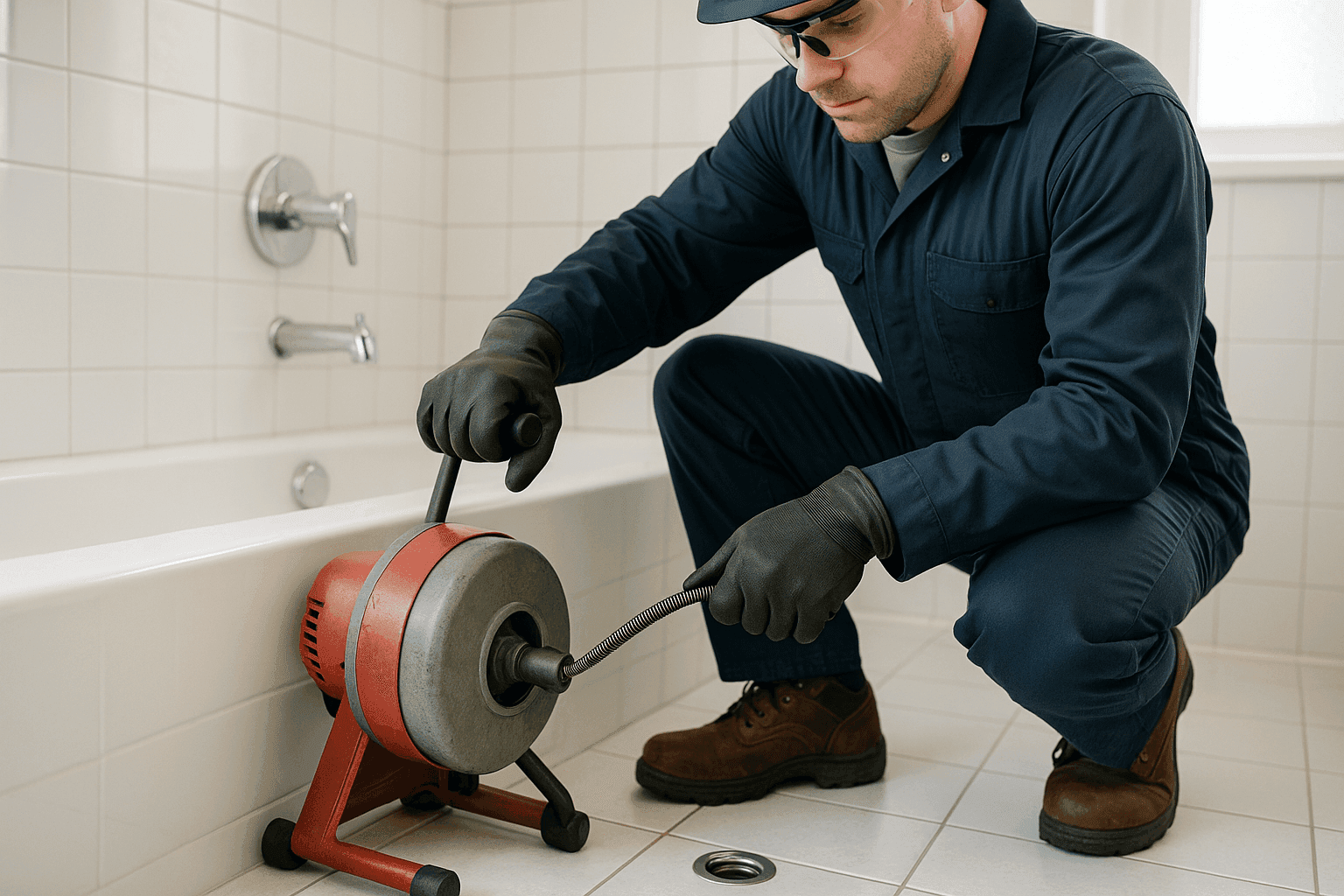
Home plumbing shouldn’t be a guessing game. A slow drain or a sudden backup can throw your whole day off balance—especially when you’re not sure what’s causing it. At Exe Plumbing, we understand how stressful plumbing issues can be. Our team sees these situations every day, and we know how to help you keep your home’s water flowing smoothly.
Clogs don’t just happen—they build up over time. By understanding what causes them and how to prevent them, you can avoid sudden emergencies and costly repairs. Here’s how to take charge of your drains, with practical tips that keep your pipes in top shape.
Why Drains Clog – Common Household Causes 🛁
Every home faces the same plumbing villains. Some are obvious, like hair in the shower, while others sneak up on you, such as mineral buildup from hard water. Knowing what’s lurking in your pipes is the first step to stopping clogs before they start.
- Hair and Soap Scum: In showers and bathroom sinks, hair binds with soap residue to form stubborn tangles. Over time, these can choke the flow of water.
- Food Waste and Grease: Kitchen drains face a daily siege. Grease, even in tiny amounts, cools and sticks inside pipes. Food scraps pile up, especially when garbage disposals are overworked or misused.
- Foreign Objects: Kids’ toys, jewelry, cotton swabs, and dental floss—if it fits, it finds its way down. These items aren’t meant for drains and can cause deep, hidden clogs.
- Hard Water Scale: In areas with hard water, minerals like calcium and magnesium slowly coat the insides of pipes. Over the years, this scale narrows water’s path, making even small blockages more likely.
- Aging or Damaged Pipes: Old metal pipes, especially galvanized or iron, corrode and flake. Cracks or misaligned joints snag debris, turning minor buildup into a full blockage.
Think of your drains like city streets. A little debris slows things down, but add more and traffic grinds to a halt.
DIY Drain Cleaning Methods – Safe Tools & Natural Cleaners 🧽
You don’t need fancy gadgets or harsh chemicals to tackle most minor clogs. In fact, using the wrong product can make things worse—damaging pipes or harming the environment. Here’s how to clear up trouble safely:
Simple Tools:
- Plunger: Good for sinks and tubs, not just toilets. Make sure you have a tight seal and use quick, forceful pumps.
- Drain Snake (Hand Auger): A flexible metal coil that grabs or breaks up clogs. Go slow—forcing it can damage pipes or push the clog deeper.
- Zip-It or Hair Catcher: Thin plastic tools with barbs. Perfect for pulling hair out of bathroom drains.
Natural Cleaners:
- Boiling Water: Sometimes, all you need for grease or soap is a kettle of boiling water. Pour slowly to avoid splashing.
- Baking Soda & Vinegar: Pour half a cup of baking soda into the drain, followed by half a cup of white vinegar. Wait 15 minutes, then flush with hot water. This fizzy combo can break up soft sludge and deodorize.
- Salt & Baking Soda: Mix half a cup of each, pour in, let sit overnight, and flush with boiling water in the morning. Gentle, safe—and easy on your pipes.
What to Avoid:
- Chemical Drain Cleaners: Most commercial products use lye or acids. They can eat away at older pipes, create toxic fumes, and are harmful to the environment.
- Wire Hangers: Uncoiling a hanger may seem like a quick fix, but sharp edges scratch pipe walls and can snag on joints.
Eco-friendly solutions protect both your home and local water sources. The Environmental Protection Agency (EPA) recommends non-toxic options whenever possible.
When to Hire a Pro – Signs of Bigger Problems 🛠️
Not every clog is a simple fix. Sometimes, the issue runs deeper than a hairball or a bit of grease. Here’s when to call in licensed pros like Exe Plumbing:
- Multiple Slow Drains: If more than one drain is backed up, the problem could be in your main sewer line.
- Recurring Clogs: Clearing the same drain every few weeks? You might have tree roots, pipe misalignment, or a deeper blockage.
- Sewage Smells: Odors coming from your drains often mean a broken pipe, vent problem, or sewer backup.
- Gurgling Sounds: Bubbling or gurgling noises signal trapped air, usually due to partial blockages or venting issues.
- Flooding or Water Backups: Standing water in sinks, tubs, or the basement is an emergency plumbing situation.
Trying to fix these problems yourself is like bailing out a boat with a teacup. Sometimes, you need the right tools and expertise to get things flowing again.
Preventative Maintenance – Regular Checks and Safe Habits 🚿
Keeping drains clear isn’t just about reacting to trouble. Think of preventative maintenance like brushing your teeth—it’s about keeping problems away in the first place.
Weekly & Monthly Habits:
- Use Drain Screens: Place mesh screens or baskets over drains to catch hair, food, and debris.
- Flush with Hot Water: Once a week, pour hot water down kitchen and bathroom drains to keep grease and soap moving.
- Clean Stoppers & Strainers: Remove and wash these parts to keep gunk from building up.
- Be Careful What You Flush: Only toilet paper and human waste should go down the toilet. Avoid flushing wipes (even “flushable” ones), cotton balls, or feminine hygiene products.
- Limit Garbage Disposal Use: Scrape plates into the trash before rinsing. Avoid putting coffee grounds, eggshells, and fibrous veggies (like celery) down the disposal.
Annual & Seasonal Checks:
- Inspect for Leaks: Look under sinks and around toilets for moisture or stains.
- Schedule Professional Drain Cleaning: Even with good habits, buildup can occur. Annual checks catch problems early—especially in older homes or those with hard water.
- Backflow Testing: Especially important if you’ve had sewer line issues or live in a flood-prone area.
The International Plumbing Code (IPC) and local ordinances recommend regular inspections and maintenance for residential plumbing systems.
Local Plumbing Nuances – Hard Water & Pipe Types
In our region, hard water is a silent troublemaker. Over time, it leaves mineral deposits inside pipes—like cholesterol in arteries—restricting flow and making clogs more likely. If your faucets show white, chalky residue, your pipes are likely affected too.
Older homes might have galvanized steel or even cast iron pipes. These corrode and roughen with age, giving debris more places to catch. Modern homes often use copper or PEX, which resist buildup better but can still clog if abused.
If you’re seeing frequent scale buildup, consider a water filtration or softening system. Exe Plumbing can recommend options tailored to your home.
Costs & Time Factors – What to Expect
DIY fixes for minor clogs can often be done in under an hour with minimal expense—usually just the cost of a plunger or basic snake. Natural cleaners like baking soda and vinegar are inexpensive and safe for most homes.
Professional drain cleaning varies based on the severity and location of the clog. Simple sink or shower drain clearings are straightforward. Main sewer line blockages, however, require specialized equipment and take longer—sometimes several hours if the blockage is deep or access is difficult.
Preventative maintenance (like annual checks or hydro-jetting for heavy buildup) might seem like an extra cost, but it’s far less than emergency plumbing repairs or water damage restoration.
When It’s an Emergency
Clogs can go from annoying to urgent in minutes. If you notice water backing up into tubs or sinks, sewage smells inside your home, or standing water in the basement, don’t wait. These signs mean there’s a serious blockage or even a broken pipe. Fast action can minimize damage and health risks.
For true emergencies, Exe Plumbing offers 24/7 emergency plumbing services. We’re ready when you need us—day or night.
Frequently Asked Questions
How often should I clean my drains?
For most homes, monthly maintenance (like hot water flushes and cleaning strainers) is enough. Schedule a professional inspection annually, especially in older homes or those with hard water.
Are store-bought drain cleaners safe?
Most contain harsh chemicals that can damage pipes over time—especially older metal ones. Natural methods or professional cleaning are safer for your plumbing and the environment.
What’s the best way to prevent kitchen drain clogs?
Scrape food into the trash, avoid pouring grease down the sink, and use a drain strainer. Periodically flush with hot water and baking soda.
Can hard water really cause clogs?
Yes. Hard water minerals build up inside pipes, narrowing the passage and making it easier for debris to get stuck. This is especially true in older plumbing.
Seasonal Tips & Local Considerations
During wetter months, sump pump repair near you becomes crucial. Heavy rain can overwhelm poorly maintained drains, leading to basement flooding. In winter, frozen pipes or slow drains could signal deeper issues—ice can cause pipes to crack and let roots in.
If you notice water pressure drops or slow drains after storms, it’s a good idea to have your plumbing checked for hidden damage or buildup.
Don’t let a slow drain turn into a plumbing emergency. For safe, thorough drain cleaning and reliable emergency plumbing, Call Exe Plumbing now — or reach us anytime at 877-775-9948 .