How to Detect Hidden Plumbing Leaks Before They Cause Damage
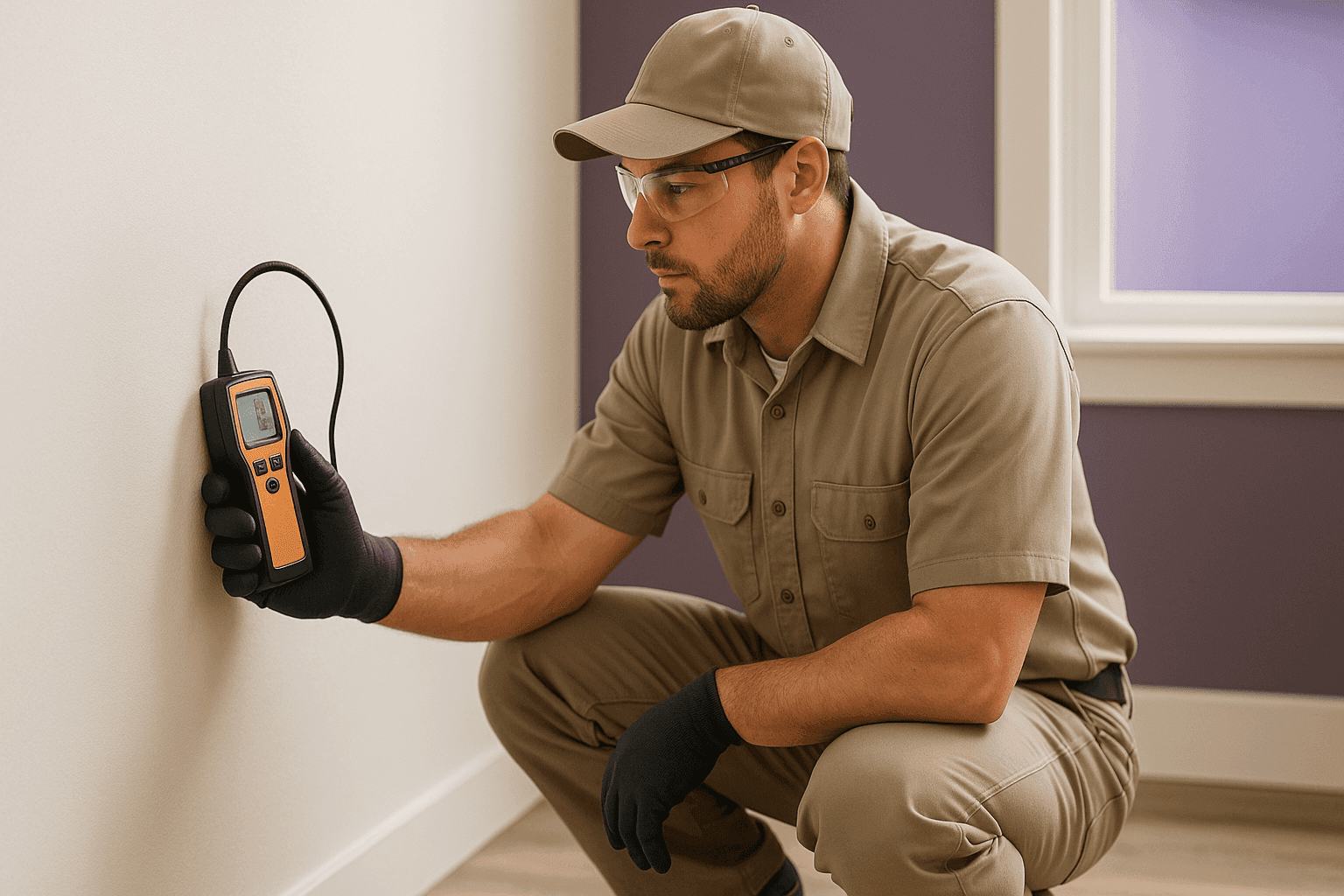
Do you hear a faint drip behind the wall, or see a mysterious stain creeping across the ceiling? You’re not alone. Most plumbing leaks don’t announce themselves with a dramatic flood. They sneak up, quietly causing damage long before you spot the first soggy patch.
That’s why at Exe Plumbing, we take hidden leaks seriously. With decades of emergency plumbing experience in homes just like yours, we know how quickly a small leak can turn into a major headache. Let’s help you catch problems early—before they chew through your comfort, your wallet, and your home’s structure.
Why Hidden Leaks Are Dangerous 🛑
A hidden leak is like a termite: silent, slow, and relentless. Left unchecked, a pinhole in a pipe can become a breeding ground for mold. In damp, dark spaces—behind drywall, under floors, or in basements—mold can take hold in just 24 to 48 hours. Once it starts, it spreads like wildfire, triggering allergies and asthma.
But mold isn’t the only threat:
- Rotting wood: Water seeps into beams and joists, turning strong lumber soft as a sponge.
- Crumbling drywall: Plaster and paint bubble, peel, and eventually collapse.
- Damaged insulation: Wet insulation loses its ability to keep your home warm, raising energy bills.
- Structural damage: Over time, leaks can erode foundations or rust metal supports.
And if you live in an area with older brick, timber, or stone houses, the risks multiply. Water finds the tiniest cracks, leading to long-term headaches you can’t see—until it’s too late.
The Real-World Impact
According to the International Association of Certified Home Inspectors (InterNACHI), water damage from hidden leaks is one of the top insurance claims for homeowners. A slow drip can waste thousands of gallons a year and cost thousands to repair. The moral? Don’t ignore the little stuff.
Early Warning Signs: What to Watch For 👀
Sometimes, your home whispers before it screams. Pay attention to these early signs, and you’ll catch leaks before they get out of hand:
- Unexplained spikes in your water bill: If your usage hasn’t changed but the bill has jumped, something’s leaking.
- Stains or discoloration: Watch for yellow, brown, or gray spots on ceilings, walls, or even floors.
- Musty odors: A persistent damp smell is often mold growing behind the scenes.
- Peeling paint or wallpaper: Moisture behind surfaces loosens adhesives.
- Warped wood or buckled flooring: Water trapped below can make boards rise or cup.
- Sounds of running water: Hear a faint trickle when all taps are off? That’s a clue.
- Low water pressure: A leak in the supply line can mean less flow at your taps.
Keep in mind, leaks can show up differently in different homes. In newer builds, you might notice warped drywall. In older homes with plaster or stone, look for subtle cracks or efflorescence (a salty white deposit).
Smart Leak Detection Tools: Your Home’s Watchdogs 🛠️
Technology has come a long way since the days of squinting at puddles. Now, you can use smart tools to catch leaks before they spiral:
- Leak sensors: Place these under sinks, near water heaters, or behind toilets. They sound an alarm—and some will even text your phone—if they detect moisture.
- Water monitoring systems: These devices clamp onto your main water line and track flow rates. If they sense unusual usage (like a slow, steady leak), they alert you in real-time via an app.
- Infrared thermal cameras: These spot cold, damp areas inside walls where water is present.
- Acoustic leak detectors: Plumbers use these stethoscope-like devices to “hear” water moving through pipes, even behind thick walls.
Many of these systems are easy to install, especially in high-risk zones. For peace of mind, consider adding smart detection to your sump pump repair setup or anywhere leaks could cause real chaos.
When to Call a Pro: The Limits of DIY 🛎️
It’s tempting to fix a leak yourself. Sometimes, a new washer or tightening a fitting can save the day. But here’s where the line breaks:
- Hidden leaks: If you can’t see the source, don’t start tearing into walls. Plumbing is like surgery—guesswork makes things worse.
- Gas or sewer lines: These aren’t DIY projects. Gas leaks are dangerous, and sewer leaks pose health hazards.
- Major water loss: If you’re losing gallons fast, it’s time for emergency plumbing.
- Recurrence: If you’ve patched a leak and it comes back, there’s likely a deeper problem.
What Sets Exe Plumbing Apart
We invest in the latest leak detection technology, from thermal imaging to electronic moisture meters. Our certified specialists know how to read your home’s clues—whether you live in a Victorian terrace, a modern flat, or a classic brick bungalow. We’re transparent about our process, so you know what’s happening every step of the way.
Common Building Materials and Local Nuances 🏠
In our region, you’ll find everything from red brick to timber-frame to solid block construction. Each has its quirks:
- Brick and stone: Moisture can wick through tiny cracks, especially where mortar has worn away.
- Timber: Wooden joists and beams are highly vulnerable to rot.
- Drywall vs. plaster: Drywall shows stains quickly, while old-fashioned plaster may hide leaks for months.
If your home uses PEX, copper, or galvanized pipes, each reacts differently to leaks. For example, copper pinholes are common in older systems, while PEX can be vulnerable at fittings. Knowing your home’s makeup helps us target solutions that last.
What to Expect When a Pro Arrives
When you call Exe Plumbing, here’s what happens next:
- Thorough inspection: We use non-invasive tools first—infrared cameras, moisture sensors, and acoustic detectors.
- Pinpointing the leak: Once we’ve found the source, we’ll explain the options. Sometimes it’s a quick pipe repair, sometimes more.
- Upfront discussion: No surprises. We show you the problem and talk next steps.
- Repair: From sump pump repair to full repiping, we handle it all.
- Testing: We don’t just patch and run—we double-check with backflow testing or leak sensors.
We follow local plumbing codes and safety guidelines (see the International Plumbing Code or AS/NZS 3500 for reference). You’re protected, every step of the way.
Preventative Maintenance: Stop Leaks Before They Start
An ounce of prevention is worth a pound of drywall. Here’s how to keep leaks at bay:
- Annual inspections: Have a pro check under sinks, behind appliances, and along exposed pipes.
- Install leak detectors: Especially in basements, near water heaters, and under kitchen sinks.
- Check water pressure: High pressure strains pipes and joints.
- Flush your water heater: Sediment buildup can cause leaks.
- Maintain sump pumps: Schedule regular sump pump repair near you to avoid basement floods.
- Replace old hoses: Laundry, dishwasher, and fridge hoses wear out faster than you expect.
Small steps now can save you a fortune in repairs down the road.
Costs & Time Factors: What to Expect
Every leak is different. Here’s a general sense of what’s involved:
- Minor leak detection: Often completed in one visit, especially with modern tools.
- Repair times: Simple fixes may take under an hour. Complex leaks (inside walls or under foundations) can take longer.
- Costs: They vary based on location, materials, and severity. Catching leaks early is always cheaper than repairing water damage.
Pro tip: Many insurers require prompt repairs. Waiting can cost you more—not just in repair bills, but in denied claims.
When It’s an Emergency 🚨
Some leaks can’t wait. Call for emergency plumbing if:
- Water is flooding your home.
- You smell gas near a pipe or appliance.
- Drains are backing up with sewage.
- You’ve lost all water pressure suddenly.
In these cases, shut off your main water valve if it’s safe to do so, and get help right away.
FAQ: Hidden Leaks
Q: Can a small leak really cause major damage?
Yes. Even a drip can rot wood, grow mold, and ruin insulation over time.
Q: Are leak detectors worth it?
For most homeowners, yes. They’re like smoke alarms for water—especially in vulnerable areas.
Q: How often should I have a plumbing checkup?
Once a year is a good rule, or anytime you notice changes in water pressure or usage.
Q: Is colored water always a sign of a leak?
Not always—it could be rust or mineral buildup. But it’s a sign something’s off.
Local and Seasonal Considerations
Our weather swings—from damp autumns to freezing winters—stress every part of your plumbing. Pipes expand and contract, seals dry out, and heavy rain puts pressure on sump pumps and drains. If you live in an older home or an area with clay soil, you’re especially at risk for shifting pipes and hidden leaks.
Regular maintenance and seasonal checkups are your best defense. Stay ahead of the elements, and your plumbing will last a lifetime.
Don’t wait for that little drip to become a disaster. Call Exe Plumbing now — or reach us anytime at 877-775-9948 .