Choosing the Right Water Heater: Types, Costs & Installation Tips
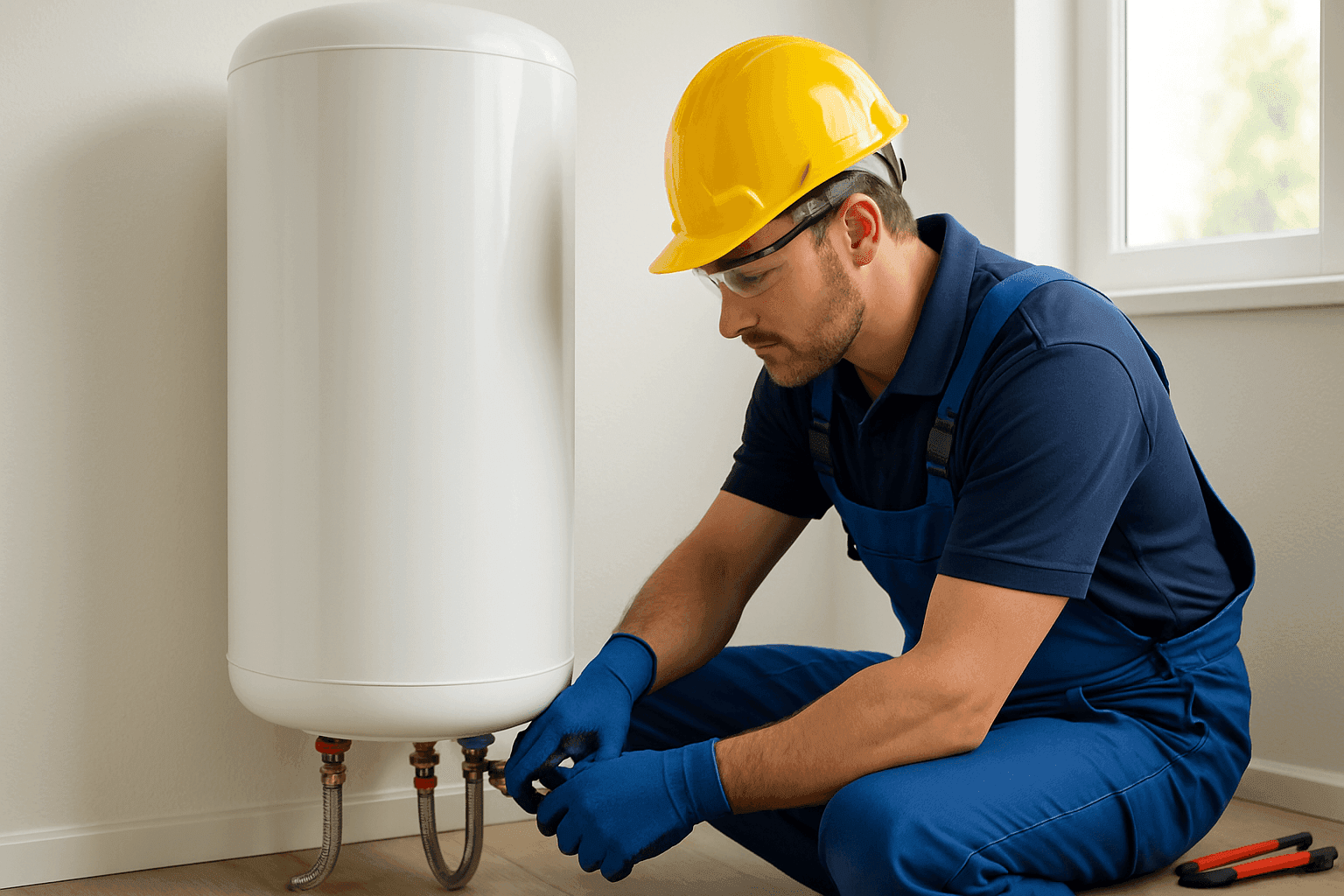
When your hot water runs cold, the day quickly goes off track. Showers, dishes, laundry—suddenly everything is on pause. At Exe Plumbing, we know how urgent it feels. Choosing the right water heater is a big decision for your home, your budget, and your peace of mind.
With so many types, features, and fuel options, it’s easy to feel overwhelmed. Let’s break it down together—plain language, real prices, and no-nonsense guidance from licensed emergency plumbing pros who handle Sump Pump Repair near you every day.
Types of Water Heaters 🛁
Water heaters come in four main flavors. Each has its perks and quirks, just like picking the right backpack for a camping trip.
Tank Water Heaters
The classic workhorse.
A tank water heater stores and heats 30–80 gallons of water, ready to use. It’s like a thermos that keeps your shower warm, but needs space in the basement or closet.
- Pros: Lower upfront cost, simple technology, easy to repair.
- Cons: Can run out of hot water during heavy use. Not the most energy efficient.
Tankless Water Heaters
Hot water on demand.
Instead of storing water, tankless models heat it as you need it—like a vending machine for showers.
- Pros: Endless hot water (within capacity), saves space, uses less energy.
- Cons: Higher initial cost, may need upgrades to gas lines or electric service, can struggle with simultaneous high demand.
Hybrid Water Heaters
The best of both worlds.
Hybrids use heat pumps to pull warmth from the air, then store it in a tank. Imagine a super-efficient fridge flipped inside out.
- Pros: Lower energy bills, eco-friendly, good for mild climates.
- Cons: Needs space and airflow, higher purchase price, not ideal in very cold areas.
Heat Pump Water Heaters
Efficient, but climate matters.
Heat pump heaters “borrow” heat from the air or ground. Like a sponge soaking up warmth in the room.
- Pros: Extremely energy efficient, great for moderate climates.
- Cons: Not suitable for cold garages or basements. Slower recovery time if many people need hot water at once.
Pro Tip:
In colder regions, traditional tank or tankless models may be more reliable. For mild or warm climates, hybrids and heat pumps can slash your utility bills.
Cost Breakdown: What You’ll Really Pay 💲
Let’s talk real numbers—no sticker shock, just the facts. There are four main buckets to budget for:
1. Equipment Cost
- Tank: Usually the least expensive (think $500–$1,500 for standard models).
- Tankless: Starts higher ($1,200–$3,000+), but can last longer.
- Hybrid/Heat Pump: $1,200–$3,500+ depending on size and features.
2. Installation
- Basic swap: If you’re replacing the same type, it’s smoother (around $500–$1,500).
- Upgrade/change: Switching types or fuel (gas/electric) needs extra time, parts, and safety checks. Expect $1,000–$3,000+.
3. Energy Use
- Tank: Higher monthly bills, especially on electric models.
- Tankless/Hybrid: Lower monthly costs, but may need electrical or gas upgrades.
- Heat Pump: Lowest energy use, but may run more in cold weather.
4. Maintenance
- Tanks: Flush annually to remove sediment. Replace anode rods every few years.
- Tankless: Descale regularly if you have hard water.
- Hybrids/Heat Pumps: Check filters, clear vents, and follow manufacturer schedules.
Remember:
Local code, permit fees, and your home’s layout affect the final price. Always ask your installer for a clear breakdown.
Choosing the Right Size: Don’t Guess, Measure
A water heater isn’t one-size-fits-all. Too small, and you’re stuck with cold showers. Too big, and you pay to heat water you don’t use.
Sizing Your Water Heater
- Tank heaters: Size by number of people. For a family of four, 40–50 gallons is typical.
- Tankless: Match the flow rate (gallons per minute, or GPM) to your busiest hour. Add up showers, dishwasher, laundry—anything that runs at once.
- Hybrids/heat pumps: Similar sizing to tanks, but check for space and ventilation.
Use an online sizing calculator (from manufacturers or energy.gov) or ask your plumber to do a “demand calculation.”
Tip: Bigger isn’t always better. Oversizing wastes money and energy.
Professional Installation Process: What to Expect 🛠️
Installing a water heater is more than just swapping out a box. It’s like building the foundation for a house—done right, it lasts for years.
Permits & Safety Codes
- Plumbers pull permits: Local building departments require them for gas, electric, or major plumbing changes.
- Inspect for safety: Proper venting, earthquake straps, drip pans, and pressure relief valves.
The National Fuel Gas Code (NFPA 54) and local plumbing codes set the rules.
The Timeline
- Straight swap: 2–4 hours, if replacing same type and size.
- Upgrade/change: 6–8 hours or more, especially if rerouting pipes, running new gas lines, or upgrading electrical.
What Licensed Installers Provide
- Warranty coverage: Most manufacturers require professional installation for full warranty.
- Code compliance: Peace of mind knowing it’s safe and legal.
- Cleanup: Old tank hauled away, workspace left tidy.
Safety first:
Never let an unlicensed contractor install a gas or electric water heater. It’s not just risky—it may void your homeowner’s insurance.
Fuel Types & Climate: Why Local Nuance Matters
Not all homes are wired—or plumbed—the same way. Your climate, utility rates, and available fuels all matter.
- Gas: Heats faster, often cheaper for larger families. Needs venting and carbon monoxide safety checks.
- Electric: Simpler, easier to install, but may cost more to run.
- Heat pumps: Best in warm, ventilated spaces. Less effective below freezing.
Ask about rebates: Energy-efficient models may qualify for local, state, or federal incentives. Check with the U.S. Department of Energy or your local utility.
Quick Safety Checklist Before You Start
- Turn off power/gas before inspecting or replacing.
- Test for gas leaks with soapy water, never a flame.
- Never block vent pipes or air intakes.
- Use only certified parts and connectors.
- Always have a carbon monoxide detector near gas appliances.
DIY vs. Call a Pro
Water heater installation isn’t a Sunday afternoon project. The risks—fire, gas leaks, flood damage—are real.
- DIY is okay for:
Checking the pilot light, adjusting the thermostat, draining sediment (if you know how). - Call a pro for:
Any installation, replacement, or leak involving gas, electrical, or main water lines.
Exe Plumbing’s licensed installers handle everything from emergency plumbing to Sump Pump Repair near you, making sure your new heater is safe and efficient.
What Pros Do On Arrival
- Inspect your old unit and connections.
- Confirm sizing and fuel source.
- Turn off utilities, drain the tank, and remove the old unit.
- Install the new heater to code.
- Test for leaks, proper temperature, and safe operation.
- Explain settings and maintenance basics.
Prevention & Maintenance
Keep your water heater running like clockwork with a few simple habits:
- Flush the tank every year to remove sediment.
- Check the pressure relief valve for leaks.
- Set the thermostat to 120°F—hot enough for comfort, low enough to save energy.
- Schedule a pro inspection every 2–3 years.
Bonus:
Install a leak detector under your heater—think of it as a smoke alarm for water. Early warning can save thousands in damage.
Costs & Time Factors
Every home is different, but here’s what shapes the final bill:
- Type and size of heater
- Fuel source upgrades (gas/electric)
- Permits and code requirements
- Existing plumbing condition
- Disposal of old unit
On average, expect installation to take anywhere from half a day to a full day. Emergency plumbing calls may move you up the schedule, but plan ahead if possible.
When It’s an Emergency
Wake up to a cold shower? Hear banging, leaking, or see water pooling? That’s when you need help—fast.
Exe Plumbing handles emergency plumbing calls 24/7, from water heater repair to Sump Pump Repair near you. We arrive ready with parts, tools, and know-how to get your hot water flowing again.
If you smell gas, hear hissing, or see water flooding, leave the area and call for help immediately.
FAQ: Common Water Heater Questions
How long does a water heater last?
Most tank models last 8–12 years. Tankless units can go 15–20+ with proper maintenance.
Is tankless always better?
Not always. Tankless saves space and energy, but may not suit every home—especially if you have a high hot water demand at once.
What if my water heater is leaking?
Turn off water and power/gas, then call for emergency plumbing. Leaks can quickly cause major damage.
Can I install a water heater in a cold garage?
Some models work in unheated spaces, but heat pumps and hybrids lose efficiency below 40°F. Ask your installer for the best fit.
Local & Seasonal Considerations
- In cold climates, insulate pipes and tanks to prevent freezing.
- For humid or coastal areas, check for corrosion-resistant models.
- Know your local water quality—hard water shortens heater life. Consider water filtration systems to protect your investment.
Ready to choose, repair, or install your next water heater?
Call Exe Plumbing now — or reach us anytime at 877-775-9948 .