Bathroom Plumbing Problems: DIY Fixes & When to Call a Pro
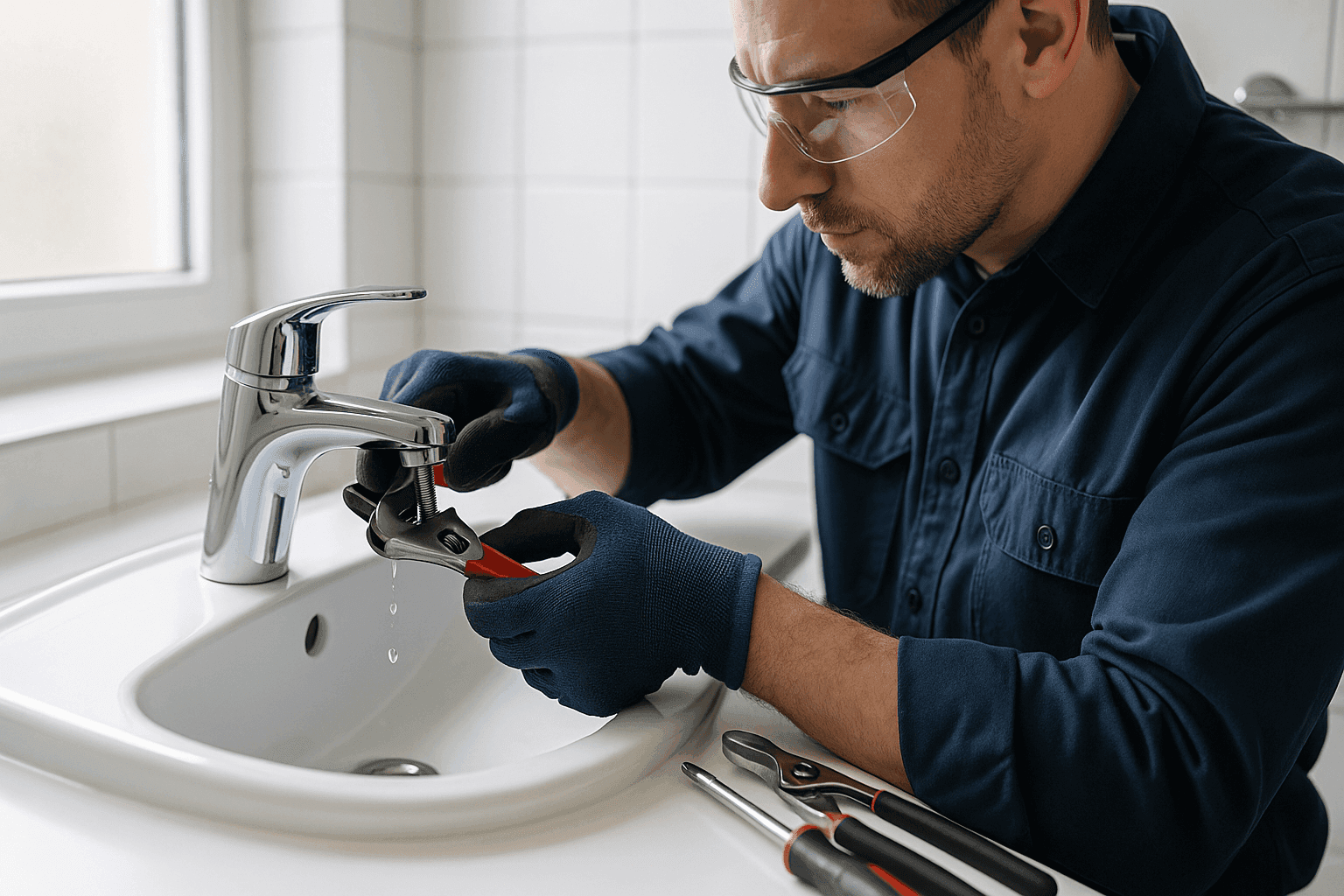
Is your bathroom turning into a splash zone? That slow-drip, gurgling toilet, or sudden puddle under the sink isn’t just a nuisance—it’s a warning sign. Bathroom plumbing problems can feel overwhelming, especially when they strike without warning. At Exe Plumbing, we know how fast a small drip can spiral into a major headache.
You shouldn’t need a toolbox full of gadgets to feel in control at home. This guide will help you spot common bathroom issues, know what you can fix yourself, and recognize when it’s time for emergency plumbing help. Let’s get started.
Most Common Bathroom Plumbing Issues 🚿
Some plumbing problems sneak up on you. Others crash in like a tidal wave. Here’s what we see most often in bathrooms:
- Leaky Faucets & Pipes: That steady drip-drip-drip isn’t just annoying—it can waste gallons of water and raise your bill.
- Clogged Drains & Toilets: Hair, soap scum, and mystery objects can block pipes, leading to slow draining or backups.
- Running Toilets: If your toilet sounds like it’s filling forever, it’s wasting water and, sometimes, money.
- Low Water Pressure: Showers that feel more like a trickle? Mineral buildup or hidden leaks could be to blame.
Sometimes, it’s just one problem. Other times, you’ve got a chain reaction.
DIY Solutions for Fast Relief
You don’t need to be a master plumber to handle the basics. Many bathroom issues can be tackled with a few simple tools and a steady hand.
Tools You’ll Want Handy
- Plunger (cup or flange type for toilets)
- Adjustable wrench
- Screwdriver set
- Bucket and rags
- Pipe tape (Teflon tape)
- Drain snake or wire hanger
Quick Fixes for Common Problems
Leaky Faucet:
- Turn off the water supply under the sink.
- Use a screwdriver to remove the faucet handle.
- Replace the washer or O-ring (local hardware stores carry these).
- Reassemble and turn the water back on.
Clogged Drain:
- Remove the drain cover.
- Use a drain snake or straightened wire hanger to pull out hair and debris.
- Flush with hot (not boiling) water.
Running Toilet:
- Open the tank and check if the flapper is sealing properly.
- Adjust or replace the chain or flapper as needed (most are universal and cheap).
Low Pressure:
- Unscrew the showerhead or faucet aerator.
- Soak it in vinegar to break down mineral buildup.
- Rinse and reinstall.
Safety First
Before you start:
- Always shut off the water supply to the fixture.
- Check for signs of electrical wiring nearby (especially near walls).
- Wear gloves when handling chemicals or sharp tools.
If water is pooling or you hear hissing, stop and get help—fast.
When to Call a Pro
Sometimes, DIY isn’t enough. Here’s when you need professional help from Exe Plumbing:
- Persistent Leaks: If you’ve tried tightening and replacing washers but the drip returns, it could be a sign of pipe damage.
- Water Damage or Mold: Brown spots, peeling paint, or mildew smell signal hidden leaks that can rot floors or walls.
- Sewage Odors: A rotten-egg smell means a bigger issue in the sewer line or vent stack.
- No Water or Sudden Flooding: Complete loss of water or sudden gushes demand immediate emergency plumbing.
If you’re up at midnight with water pouring from the ceiling, it’s time for emergency plumbing—no hesitation.
What Pros Do On Arrival
When you call Exe Plumbing, here’s what you can expect:
- Assessment: We inspect the affected area, check for hidden leaks, and pinpoint the source.
- Specialized Tools: From leak detection sensors to video inspection for sewer lines, we use tools most homeowners never need to own.
- Code-Compliance Repairs: We follow regional building codes and safety guidelines (refer to the International Plumbing Code and local standards).
- Clear Communication: You’ll know what’s wrong, what it takes to fix it, and what steps are next.
Preventative Maintenance: Small Steps, Big Savings 🛠️
Most bathroom disasters start small. Here’s how to keep problems at bay:
- Check for leaks monthly under sinks, behind toilets, and around fixtures.
- Clean drains weekly—a simple hair trap can prevent most clogs.
- Inspect hoses and supply lines for bulges or cracks.
- Flush your water heater annually (follow manufacturer guidelines).
- Test water pressure with a gauge; moderate is best.
Routine checks are like brushing your teeth—just a few minutes can save a world of trouble.
Costs & Time Factors
Not every fix breaks the bank. Here’s what usually affects price and timing:
- DIY Repairs (like changing a washer or unclogging a drain): Usually under an hour, minimal cost.
- Professional Repairs: Leak repair or toilet fixes may take 1–2 hours depending on severity.
- Emergency Plumbing: Floods or sewer issues may require several hours or return visits.
- Parts and Labor: Prices vary—older fixtures or hard-to-reach pipes may increase costs.
Always ask for a clear breakdown before work begins.
When It’s an Emergency
Some problems can’t wait. Call for emergency plumbing if you see:
- Gushing water or uncontrollable leaks
- Sewage backing up into sinks or tubs
- No running water at all
- Gas smells (evacuate immediately and call for help)
Fast action can prevent costly damage.
FAQ: Bathroom Plumbing Questions
Q: What’s the easiest way to prevent clogs?
A: Use drain strainers and avoid flushing wipes or hygiene products—even if labeled “flushable.”
Q: Why does my tap sputter or spit?
A: Air in the pipes or mineral buildup. Try flushing the system by running water for a minute.
Q: Is it safe to use chemical drain cleaners?
A: They can damage pipes over time. Mechanical methods (like snakes or plungers) are safer.
Q: Why is my water bill suddenly higher?
A: Hidden leaks are often the culprit. Check for damp spots and listen for dripping sounds.
Local & Seasonal Considerations 🚰
Bathroom plumbing issues can look different depending on where you live:
- Hard Water: Regions with mineral-heavy water see more buildup in pipes and fixtures. Regular cleaning is key.
- Cold Winters: Frozen pipes can burst—insulate exposed pipes if you’re in a chilly climate.
- Older Homes: Vintage fixtures may need repiping or specialized parts.
If you’re not sure what’s “normal” for your area, ask during your next service call.
Whether you’re facing a leaky faucet or a flood, knowing what to do (and when to call for help) can make all the difference. Exe Plumbing is your 24/7 partner for everything from Sump Pump Repair near you to emergency plumbing, leak repair, and more.
Call Exe Plumbing now — or reach us anytime at 877-775-9948 .